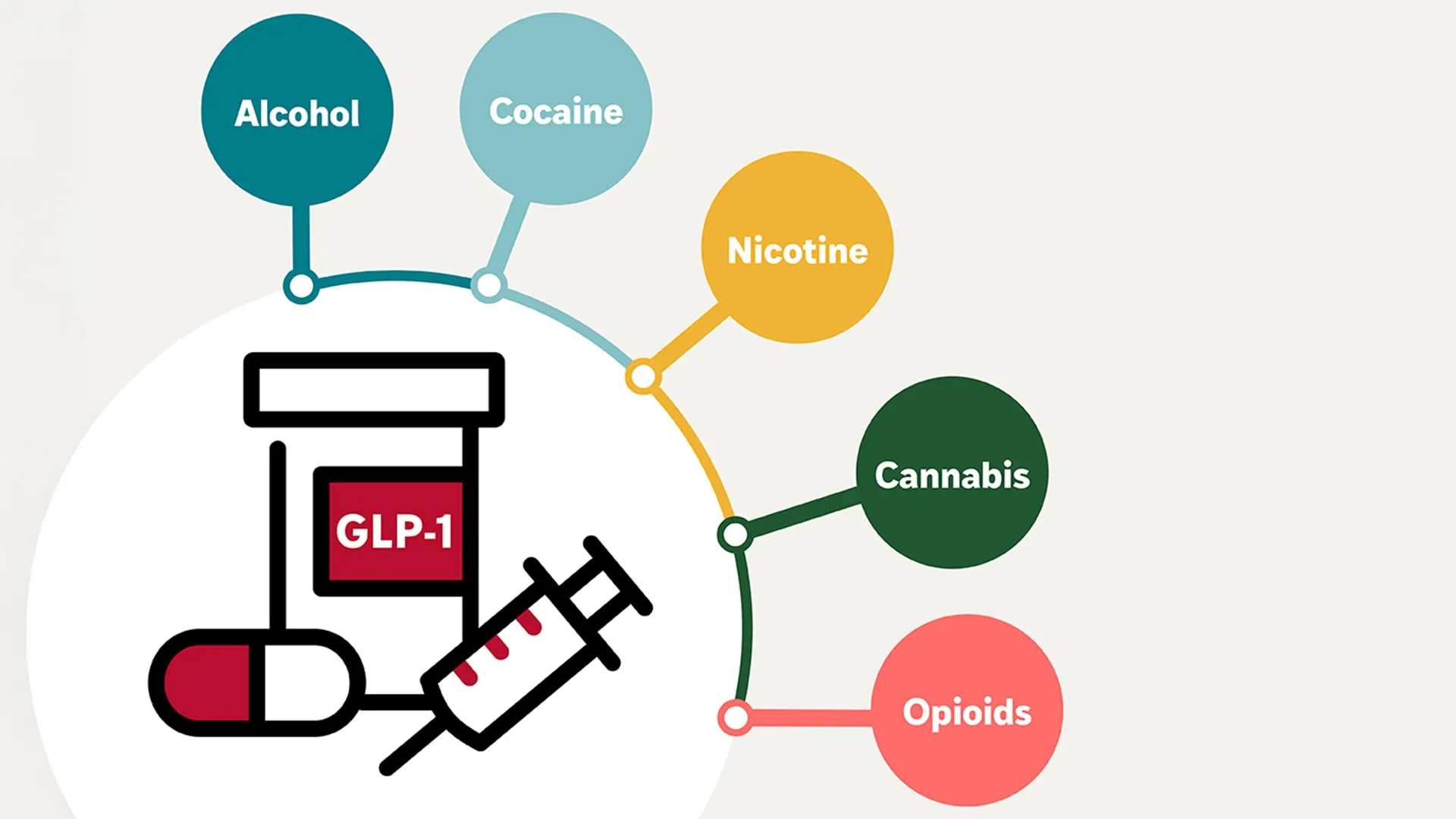
As a physician who has spent over a decade navigating the complexities of internal medicine and public health, I have learned that the most profound medical breakthroughs often occur in the most unexpected places. Recently, the medical community has been closely observing a shift in how we perceive GLP-1 receptor agonists—the class of medications that includes semaglutide and tirzepatide—originally developed to manage type 2 diabetes and, more recently, to treat obesity. New research suggests these popular GLP-1 weight-loss drugs may do far more than manage metabolic health; they may offer a powerful new tool in the fight against addiction and substance use disorders.
The latest evidence stems from a significant observational study involving more than 600,000 U.S. Veterans, which has sparked intense interest among clinicians and researchers alike. By analyzing electronic health records, investigators found that patients prescribed these medications demonstrated a reduced risk of developing substance use disorders related to alcohol, nicotine, cannabis, and opioids. Among those already grappling with addiction, the data indicated a notable decrease in the frequency of overdoses, hospitalizations, and emergency department visits. While these findings are preliminary and observational in nature, they represent a compelling intersection of pharmacology and behavioral health that warrants rigorous, large-scale clinical investigation.
Understanding the Mechanism: How GLP-1s May Impact the Brain
To understand why a medication designed for metabolic regulation might impact addictive behaviors, we must look at the brain’s reward circuitry. GLP-1 receptors are not confined to the pancreas or the digestive system; they are widely distributed throughout the central nervous system, including in areas of the brain involved in reward processing, such as the nucleus accumbens. According to research published in the journal Molecular Metabolism, the activation of these receptors may dampen the “rewarding” effects of substances like alcohol or nicotine, effectively reducing the dopamine-driven compulsion that underpins addiction cycles. This study provides a foundational look at how metabolic signaling molecules influence neural pathways, though further human trials are essential to confirm the clinical efficacy of these findings.
The implications for public health are substantial. Addiction is a chronic, relapsing condition that places an immense burden on global healthcare systems. If a medication already proven safe for long-term metabolic management can simultaneously mitigate the risk of overdose or substance dependence, it could fundamentally change our approach to dual-diagnosis patients—those managing both metabolic conditions and substance use issues. However, we must exercise caution. These drugs are not a panacea, and their primary indication remains the treatment of chronic weight management and glycemic control in patients with type 2 diabetes, as established by the U.S. Food and Drug Administration (FDA).
Key Takeaways: What the Data Says
- Broad Potential: Observations suggest benefits across multiple substance categories, including alcohol, nicotine, and opioids.
- Reduced Severity: Patients already struggling with substance use disorders showed lower rates of life-threatening events like overdoses and emergency hospitalizations.
- Clinical Context: The study utilized a large cohort of veterans, providing a robust dataset, though observational studies cannot definitively prove causation.
- Current Status: These medications are currently approved for specific metabolic conditions; using them for addiction treatment remains “off-label” and requires physician supervision.
Navigating the Future of Addiction Medicine
As we look toward the future, the integration of pharmacotherapy into addiction treatment is a rapidly evolving field. We are moving toward a more nuanced understanding of how systemic health influences mental health. For patients and their families, it is vital to remain informed through verified medical channels. If you or a loved one are concerned about substance use, please consult with a healthcare professional or visit official resources such as the Substance Abuse and Mental Health Services Administration (SAMHSA) for evidence-based guidance and support.
It is crucial to remember that these results are still being parsed by the scientific community. The next phase of research will likely involve randomized controlled trials—the gold standard of medical evidence—to determine if the reduction in substance use is a direct pharmacological effect of the GLP-1 drug or if it is secondary to other lifestyle changes. Researchers are also looking closely at the potential for side effects, which, while well-documented in the context of weight loss, must be carefully monitored in broader populations.
Looking Ahead: The Path to Clinical Validation
The medical community expects further updates as ongoing clinical trials continue to recruit participants and analyze longitudinal outcomes. The National Institutes of Health (NIH) ClinicalTrials.gov registry remains the most accurate place to track the status of current studies investigating the efficacy of semaglutide and similar agents in treating substance use disorders. We are in the early stages of a potentially transformative chapter in medicine, but we must maintain our commitment to the scientific method and patient safety above all else.
As your editor at World Today Journal, I am committed to bringing you the latest verified developments in this fast-moving field. Do you have questions about how these medications work, or are you interested in learning more about the intersection of metabolic health and neurology? I encourage you to share your thoughts in the comments section below or join the conversation by sharing this article with your network. Your informed engagement is what helps us bridge the gap between complex research and everyday public health.
Related reading
- Alison Wheeler Explains the Blood Donation Process: La Drôle D’Humeur
- Advancements in Transplant and Reconstructive Surgery: Driving International Patient Trust
- France and Italy Tighten Borders After Massive Migrant Surge in Ceuta (time.news)
- France Megafire: Exhausted Firefighters Battle Massive Bordeaux Blaze (newsdirectory3.com)