The Astronomical Costs of Powering AI from Space: A Reality Check
The idea of beaming down energy from space to fuel our ever-growing demand – especially for power-hungry AI – is gaining traction. But before you envision a future powered by orbiting solar farms, let’s ground ourselves in the immense practical and economic realities. While theoretically possible, building a space-based AI power system presents challenges that are, frankly, staggering.
The Core Concept & Initial Calculations
The sun delivers approximately 1,366 Watts per square meter (W/m²) even in Earth orbit. High-efficiency triple-junction solar cells can convert around 35% of this into usable electricity. Factoring in real-world system losses,your looking at a net output of 300-410 W/m².
To generate a gigawatt (GW) of power – a substantial amount needed for large-scale AI operations – the numbers quickly become enormous. Here’s a breakdown:
* Solar Panel Area: You’d need between 2.4 and 3.3 million square meters of solar panel area. That translates to a square array roughly 1.56 to 1.82 kilometers (0.97 to 1.13 miles) on each side.
* Weight of Panels: Just the photovoltaic material itself would weigh between 9,000 and 11,250 metric tons. This doesn’t include the structural supports, power routing systems, or crucial control electronics.
The Launch Hurdle: A Billion-Dollar Problem
Getting all this material into Low Earth Orbit (LEO) is the next major obstacle. Currently, SpaceX’s Falcon Heavy, capable of lifting up to 64 metric tons, is among the most powerful commercial launch vehicles.
* Launch Costs (Optimistic): Assuming an optimistic cost of $1,520 per kilogram, launching the solar panels alone would cost between $13.7 and $17.1 billion. This assumes maximizing payload efficiency on each launch.
* Launch Costs (Conservative): A more realistic cost of over $2,000/kg pushes the price tag above $25 billion and requires over 150 separate launches – just for the solar panels.
These figures highlight a critical point: launch costs are a dominant factor, and even ”best-case” scenarios are incredibly expensive.
Beyond the Panels: Heat Management & Infrastructure
The challenges don’t stop with the solar panels themselves. A significant portion of the captured solar energy will be converted into heat.
* Thermal Radiation: Nearly all input power becomes heat, requiring massive radiator systems to dissipate over 1 GW of thermal load into space.
* Radiator Weight & Cost: Radiators typically weigh more than solar panels, meaning tens of billions of dollars more in materials and launch costs. Precise figures are currently unkown, adding to the uncertainty.
Don’t Forget the AI Servers Themselves
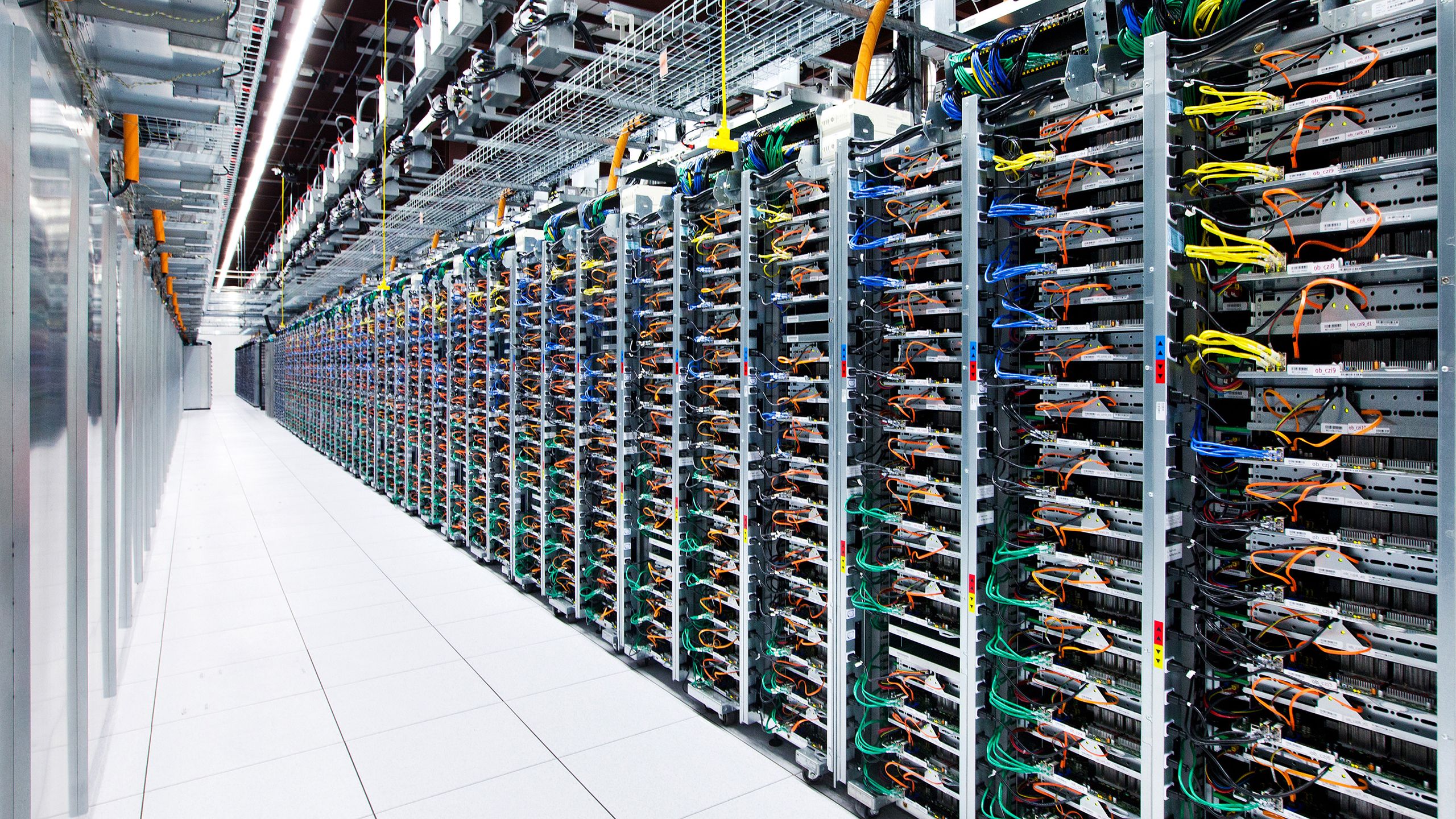
let’s not overlook the weight and cost of the AI server equipment itself. Even on Earth, these systems represent a substantial investment – tens of thousands of metric tons and tens of billions of dollars. Lifting that into orbit adds another layer of complexity and expense.
The Bottom Line: A Monumental Undertaking
While powering AI from space is conceptually feasible, the logistical, economic, and engineering hurdles are immense. We’re talking about a project requiring:
* Massive Scale: An array kilometers across.
* Unprecedented Launch Capacity: Hundreds of launches.
* Staggering Costs: Possibly exceeding $100 billion, and likely much more.
* Complex Engineering: Advanced thermal management and robust, reliable systems.
Currently,these challenges make space-based AI power a distant prospect. Focusing on improving energy efficiency, developing terrestrial renewable energy sources, and exploring advanced energy storage solutions remain far more practical and cost-effective paths forward.
Stay Informed:
For the latest in tech news and analysis, follow Tom’s hardware on [Google News](https://news.google.com
Keep reading