The Warnings Ignored: How Political Interference Hampered the FBI’s Response to the January 6th Attack
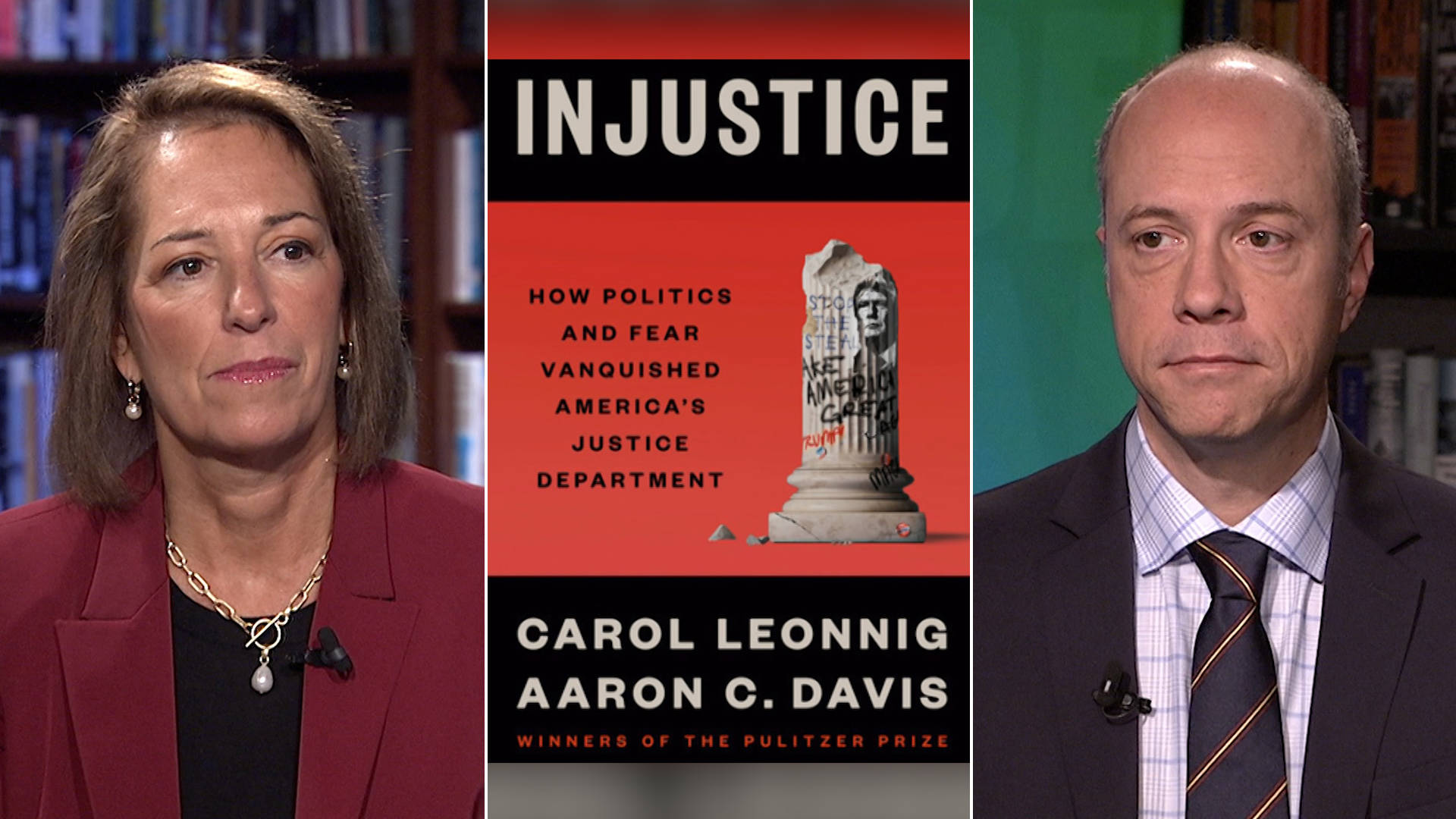
the January 6th attack on the U.S. capitol wasn’t a spontaneous eruption of anger. Instead, it was the culmination of escalating threats, meticulously documented warnings, and a disturbing pattern of political interference that severely hampered the FBI’s ability to respond effectively. Recent investigations, detailed in the new book Injustice: How Politics and Fear Vanquished America’s Justice Department by Pulitzer Prize-winning journalists Carol Leonnig and Aaron C. Davis, reveal a deeply troubling picture of an agency paralyzed by internal conflict and external pressure.
This article delves into the key findings, exploring how political dynamics under the Trump administration directly impacted the FBI’s preparedness and response to the looming threat of domestic terrorism. We’ll examine the specific warnings that were downplayed, the internal struggles within the Bureau, and the chilling effect of a president actively undermining the institutions designed to protect the nation.
A Cascade of Warnings – and a Reluctance to Act
Prior to January 6th, the FBI received a significant volume of intelligence indicating potential violence. This wasn’t simply vague chatter; it included specific details about individuals planning to travel to Washington D.C. armed, discussing strategies for concealing weapons, and coordinating staging areas.
However, investigators found a consistent pattern of “reticence” within the FBI. agents were hesitant to fully investigate these clues, seemingly unwilling to aggressively pursue leads that could perhaps implicate supporters of then-President Donald Trump. This reluctance is notably striking given the gravity of the warnings.
Here’s a breakdown of the concerning intelligence received:
* Explicit threats of violence: Individuals openly discussed bringing guns to Washington D.C.
* Coordination of weapon staging: Discussions centered around hiding and securing firearms to avoid detection.
* Detailed planning: Intelligence revealed specific plans for coordinating actions on January 6th.
Despite this, a full-scale investigation was slow to materialize. Why? The answer, according to Leonnig and Davis, lies in the highly charged political atmosphere.
The Shadow of “Crossfire Hurricane” and Trump’s interference
The FBI’s previous investigation into Russian interference in the 2016 election – codenamed ”Crossfire Hurricane” – cast a long shadow over the Bureau. Manny agents felt they had been unfairly criticized for that investigation, particularly by President Trump, who repeatedly attacked it as a ”witch hunt.”
This created a palpable sense of caution.As one prosecutor reportedly observed, investigators felt they were “stepping over the bodies of Crossfire Hurricane,” meaning they were hesitant to pursue any investigation that could be perceived as critical of Trump or his supporters.
Furthermore, Trump’s actions in the days leading up to January 6th directly undermined the Department of Justice and the FBI’s independence. Just days before the attack, he attempted a brazen power grab, attempting to replace then-Acting Attorney General Jeffrey Rosen with Jeffrey clark.
Clark, a staunch Trump loyalist, was prepared to use the Department of Justice to falsely claim widespread voter fraud in Georgia and potentially overturn the election results. This unprecedented attempt to weaponize the DOJ for political purposes sent a clear message: loyalty to Trump was valued above upholding the law.
The Cost of Political Paralysis
The consequences of this political interference were devastating. The FBI’s delayed response allowed the threat to escalate unchecked, ultimately contributing to the chaos and violence that unfolded on January 6th.
The book highlights the frustration of those within the FBI who recognized the danger and urged for more decisive action. They were met with resistance, hampered by an institutional culture that prioritized avoiding political backlash over proactively protecting the nation.
Carol Leonnig emphasizes the bravery of those individuals who “tried to do the right thing and could not succeed in this institution.” Their efforts were stifled by a system that had become deeply politicized, prioritizing political considerations over its core mission of upholding the law.
What Does This Mean for You?
The revelations in Injustice are a stark warning about the fragility of democratic institutions. When political pressure undermines the independence of law enforcement, the consequences can be catastrophic.
As citizens,you need to:
* Demand accountability: Hold elected officials accountable for actions that undermine the rule of law.
* Support independent investigations: Advocate for thorough and impartial investigations into threats to our democracy.
Related reading