
Big Ten’s Potential Private Equity Deal Faces Scrutiny: A Deep Dive into the Risks and Alternatives
The college sports landscape is undergoing a seismic shift, and the Big Ten Conference finds itself at the center of a particularly contentious debate. Recent discussions surrounding a potential $2 billion private equity investment have ignited concerns from lawmakers, university regents, and even fellow conference commissioners, raising basic questions about the future of collegiate athletics and the role of for-profit entities in traditionally non-profit institutions.
this isn’t simply about money; its about the very soul of college sports and the responsibilities universities have to their students, taxpayers, and the public good. Let’s break down the situation,the concerns,and the potential alternatives being proposed.
the Proposed Deal: What’s on the table?
The Big Ten is exploring a deal that would involve selling a stake in a new entity encompassing the conference’s media rights and other valuable assets to a private equity firm. Commissioner Tony Petitti has been cautious in his public statements,acknowledging the possibility of strategic investment but emphasizing that any decision will be made collectively by the conference’s 18 member institutions.
The core idea is to unlock capital now, rather than waiting for future revenue streams. This upfront cash could be used to bolster athletic programs, invest in facilities, and potentially address the growing financial demands of supporting student-athletes in the new era of Name, Image, and Likeness (NIL) compensation.Though, the devil is, as always, in the details.
Why the Backlash? Concerns from Washington and Beyond
The proposed deal isn’t being met with universal enthusiasm. Senator Maria Cantwell, ranking member of the Senate Commerce Committee, has voiced notable concerns, highlighting a lack of full openness with university governing boards. In a recent letter, she questioned whether the potential impact on universities’ educational missions had been adequately considered.
Her concerns are rooted in a critical point: the tax-exempt status of universities. Currently,revenue generated from media rights is considered “substantially related” to the educational purpose of the institution,allowing it to remain untaxed. Though, introducing a for-profit investor into the equation could jeopardize this status, potentially subjecting a significant portion of revenue to taxation. This would, in effect, reduce the funds available for academic programs and student support.
The criticism isn’t limited to Washington. Texas Tech regent chair Cody Campbell has been particularly vocal, calling the idea of private equity involvement “outlandish.” He champions an alternative solution: pooling television rights across all conferences.
The Pooling Alternative: A $7 Billion Opportunity?
Campbell argues that pooling TV rights could generate an additional $7 billion for schools. This concept, while appealing, is complex. It would require rewriting a 1961 law currently restricting conferences from collectively negotiating media deals. Senator Cantwell is actively supporting this effort with her recently introduced SAFE Act.
However, the feasibility of pooling is debated. Conference commissioners, including Greg Sankey of the SEC, have expressed skepticism about the revenue projections. A major hurdle lies in the disparate expiration dates of existing media rights agreements. Synchronizing these deals under a single umbrella would be a logistical and legal challenge.
Big Ten’s Stance: Protecting Existing Deals
commissioner Petitti has attempted to allay fears by stating that any private equity move would respect existing media contracts. “There’s nothing being contemplated that would change anything in our current media relationships,” he asserted. This suggests any new entity created would operate alongside,rather than replace,current agreements.
However, this doesn’t address the fundamental concerns about the long-term implications of introducing a for-profit motive into college athletics.
The Core Issue: public Trust and the Educational Mission
The debate surrounding the Big Ten’s potential deal underscores a larger tension within college sports. as revenue streams continue to swell, fueled by lucrative media contracts and the evolving NIL landscape, universities are grappling with how to balance athletic success with their core educational mission.
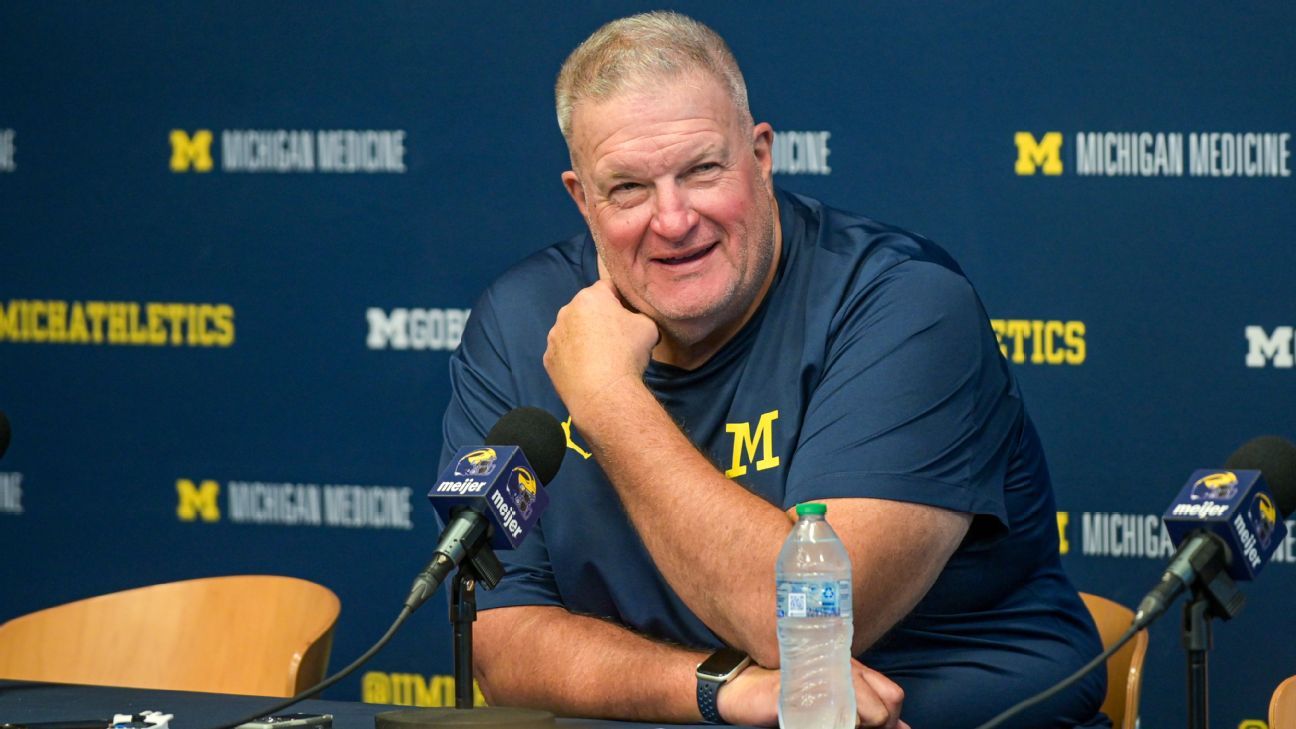
The sentiment expressed by a Michigan regent, jordan acker, resonates with many: ”selling off Michigan’s precious public university assets would betray our responsibility to students and taxpayers.” This highlights the perception that university assets – including media rights – are held in public trust and should be managed with the long-term benefit of the institution and its students in mind.
looking Ahead: Navigating a Complex Future
the Big Ten’s decision will have far-reaching consequences, not just for its member institutions but for the entire landscape of college athletics. A careful and clear evaluation of the risks






![Wednesday News: Latest Updates & Headlines – [Date]](https://assets.thelocal.com/cdn-cgi/rs:fit:1200/quality:75/plain/https://apiwp.thelocal.com/wp-content/uploads/2025/12/watermarks-logo-Arisdorf_Baerenfels_Gold_1_1.jpg@webp "Wednesday News: Latest Updates & Headlines – [Date]")
