Bill Burr,Ben Shapiro,and the “Woke” Divide: A Comedian’s Critique and the right’s Response
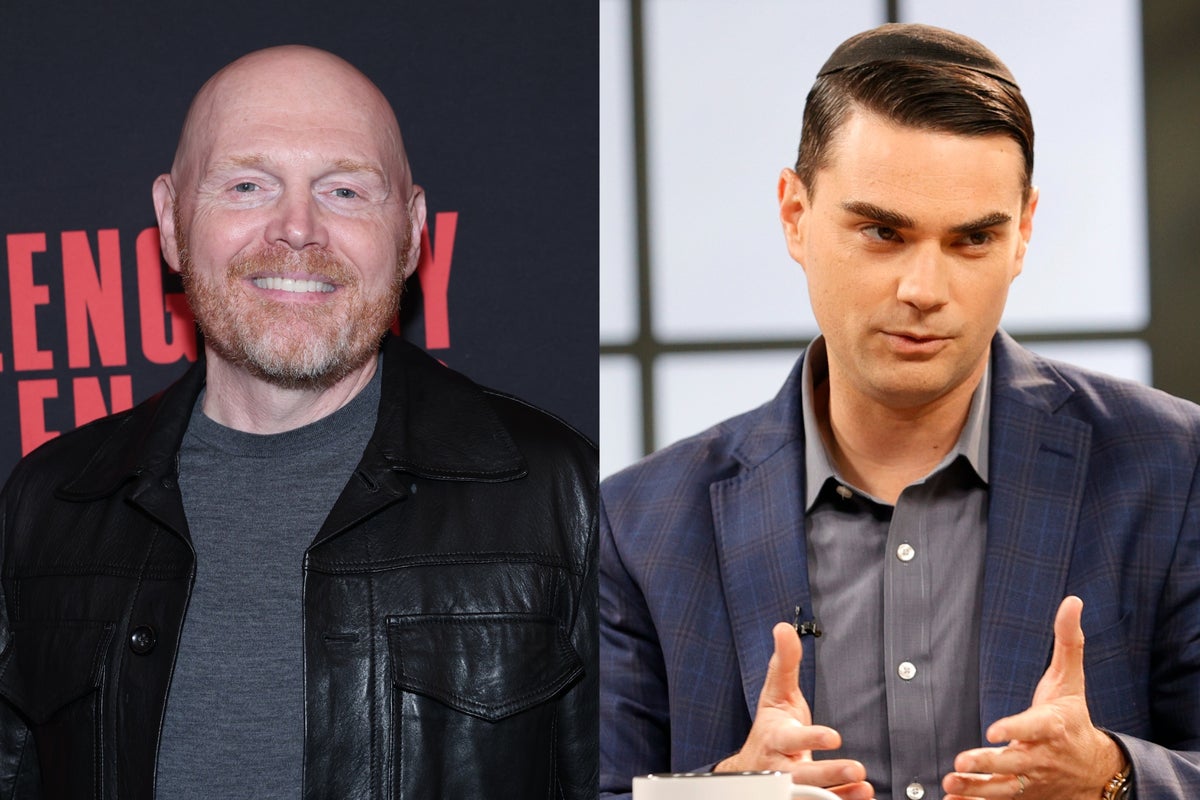
The recent clash between comedian Bill Burr and conservative commentator Ben Shapiro has ignited a fiery debate,extending beyond a simple disagreement over a joke to a broader discussion about the meaning of “woke” and the responsibilities of public figures. This escalating conflict reveals deep fissures within the current media landscape and highlights the challenges of navigating political commentary in the age of hyper-partisanship.
The Spark: Burr’s Criticism of Shapiro
Initially, the tension arose from Burr’s strong rebuke of Shapiro’s use of the term “woke.” During an interview, Burr asserted that shapiro “doesn’t even know what that word means,” characterizing the right-wing media’s definition as a superficial understanding of a complex concept. He further accused Shapiro of deliberately seeking out offense at his shows to generate content and profit from division, labeling such behavior “treasonous.”
Online Backlash and Accusations of Racism
Subsequently, when Vulture inquired whether Shapiro had successfully turned a segment of the online right against him, Burr responded with scathing criticism of those critics. He revealed receiving racist and hateful messages, including images of monkeys sent to him and his wife, Nia Renée Hill. Burr condemned these individuals as “cowards” and “horrible people,” emphasizing they would never confront him directly.
This personal attack underscored a disturbing trend Burr observed: the proliferation of platforms catering to extremist ideologies. He noted that individuals harboring racist, antisemitic, or nationalist views can readily find outlets for their perspectives.
Burr’s Perspective on His Comedy and Political Commentary
Burr clarified that his comedic style is “deliberately misunderstood,” often misinterpreted by both political figures and audiences. He explained that when addressing politics in his shows, he intentionally critiques both sides. He views this as his professional duty.
He emphasizes he doesn’t align with any particular political ideology. He believes the real problem lies with those who fund and exploit political division.
Moreover, Burr labeled both CNN and Fox News as a “disease,” suggesting they prioritize sensationalism and distraction over substantive discourse.
Shapiro’s Rebuttal and Defense of His Position
Responding to Burr’s accusations, Shapiro published a column on The Daily Wire, the conservative website he co-founded. He defended his understanding of “wokeness,” citing the definitions provided by legal scholars Richard Delgado and Jean Stefancic, prominent figures in Critical Race Theory.
Shapiro argues that Burr’s views align with a belief that America is inherently racist and that systemic racism is deeply embedded within its institutions. He also shared clips from his podcast on social media, questioning Burr’s continued frustration over a perceived lack of laughter.
Understanding the Core of the Dispute
this conflict isn’t simply about a comedian and a commentator disagreeing. It’s a microcosm of a larger cultural struggle over language, ideology, and the role of media in shaping public opinion.
The Meaning of ”Woke”: The term has become heavily politicized, losing much of its original nuance.
The Duty of Public Figures: The debate raises questions about whether commentators have a responsibility to engage with opposing viewpoints respectfully.
The Impact of Online Extremism: The incident highlights the real-world consequences of online hate speech and the challenges of combating it.
What This Means for You
As consumers of news and entertainment, you should approach these types of debates with critical thinking. Consider the source, the motivations of those involved, and the broader context of the discussion. Recognizing the complexities of these issues is crucial for fostering informed dialog and resisting the forces of division. Ultimately, this situation serves as a reminder that thoughtful engagement and a willingness to understand different perspectives are essential for navigating the increasingly polarized landscape of modern discourse.