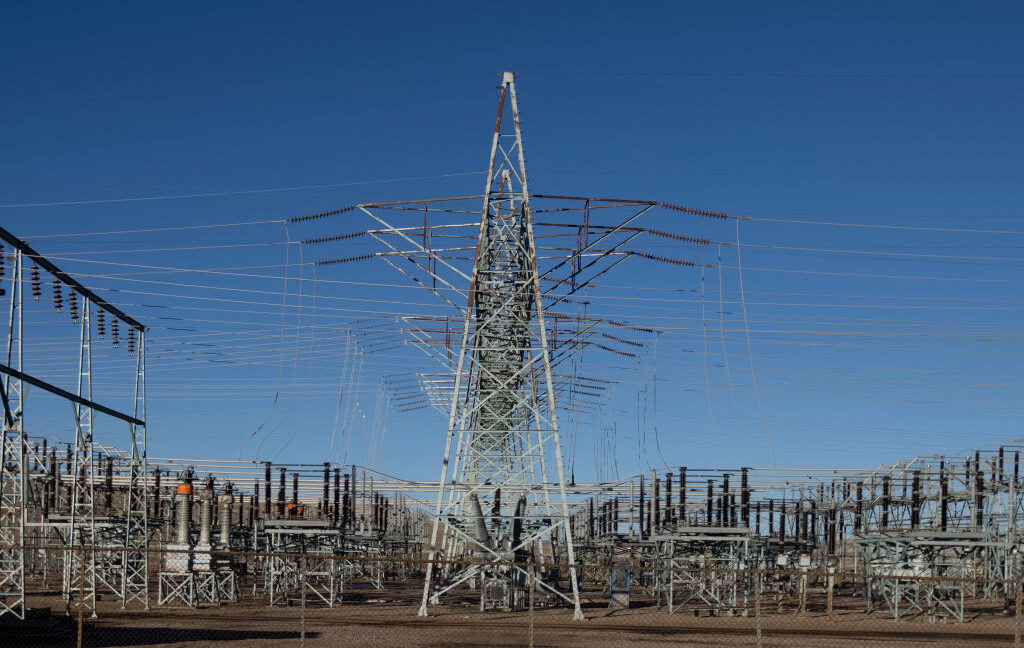
Kemmerer, Wyoming – In a landmark decision poised to reshape the future of energy, the U.S. Nuclear Regulatory Commission (NRC) on Wednesday approved the construction permit for TerraPower’s innovative compact nuclear reactor, marking the first such approval in nearly eight years. The plant, backed by Microsoft co-founder Bill Gates, will be built near Kemmerer, a town of approximately 2,500 residents located 130 miles northeast of Salt Lake City, Utah. This approval represents a significant step forward in the development of advanced nuclear technology and could pave the way for a fresh generation of cleaner, more efficient power sources.
The project, known as Natrium, is distinguished by its sodium-cooled fast reactor design and integrated energy storage capabilities. Unlike traditional nuclear power plants that utilize water for cooling, TerraPower’s reactor employs liquid sodium, allowing for more efficient heat transfer and potentially reducing the risk of accidents. The inclusion of energy storage, utilizing a salt-based system, is intended to enhance the plant’s flexibility and enable it to complement intermittent renewable energy sources like solar and wind. This innovative approach addresses a key challenge in integrating nuclear power into a modern grid increasingly reliant on variable energy inputs.
A New Generation of Nuclear Power
The NRC’s approval, granted unanimously, follows a rigorous review process initiated when TerraPower filed its construction permit application in 2024. As reported by the Associated Press, the decision signals a renewed interest in nuclear energy as a crucial component of a diversified energy portfolio. The Natrium reactor is designed to produce 345 megawatts of electricity, with a peak output capacity of up to 500 megawatts – enough to power approximately 400,000 homes. This relatively small size, compared to the gigawatt-scale capacity of conventional nuclear plants, allows for greater flexibility in siting and deployment.
TerraPower, founded by Bill Gates in 2008, has partnered with GE Hitachi Nuclear Energy to develop the Natrium technology. The reactor’s design incorporates several novel features aimed at enhancing safety, efficiency, and sustainability. The use of a fast-neutron reactor allows it to potentially consume long-lived radioactive isotopes, reducing the volume and longevity of nuclear waste. The sodium-cooled design also offers inherent safety advantages, as the liquid sodium’s properties prevent a runaway reaction in the event of a loss of coolant. However, sodium’s reactivity with air and water necessitates robust safety protocols and engineering solutions.
Addressing Energy Needs and AI Demands
The choice of Kemmerer, Wyoming, as the site for the Natrium reactor is strategic. The location is near an existing coal-fired power plant that is being converted to natural gas, providing access to existing infrastructure and a skilled workforce. According to the New York Times, Gates views nuclear generation as a vital power source for the electricity-intensive data centers that underpin the rapidly expanding field of artificial intelligence. The demand for energy from these data centers is projected to increase dramatically in the coming years, and nuclear power offers a reliable, carbon-free alternative to fossil fuels.
“We have spent thousands of manpower hours working to achieve this momentous accomplishment,” stated TerraPower President and CEO Chris Levesque in a press release. The company anticipates construction to begin within weeks, with completion targeted for 2030. The project represents an investment of up to $4 billion, demonstrating a significant commitment to the future of nuclear energy. The Natrium reactor’s integrated energy storage system is a key differentiator, allowing it to respond quickly to fluctuations in demand and integrate seamlessly with renewable energy sources. This capability is crucial for maintaining grid stability and reducing reliance on fossil fuel-based backup power.
The Natrium Reactor: Key Features and Innovations
- Sodium-Cooled Design: Utilizes liquid sodium as a coolant, enabling efficient heat transfer and enhanced safety.
- Fast-Neutron Reactor: Capable of consuming long-lived radioactive isotopes, potentially reducing nuclear waste.
- Integrated Energy Storage: Employs a salt-based storage system to store heat for later use, improving grid flexibility.
- Small Modular Reactor (SMR): A relatively small size (345 MW) allows for easier siting and deployment.
- Peak Output: Capable of temporarily outputting up to 500 MW of electricity.
The Natrium reactor’s design also addresses concerns about nuclear waste disposal. Traditional nuclear reactors produce spent fuel that remains radioactive for thousands of years. The fast-neutron reactor technology employed by TerraPower has the potential to “burn” certain isotopes in the spent fuel, reducing its long-term radioactivity and the need for permanent geological repositories. While this technology is not a complete solution to the nuclear waste problem, it represents a significant step forward in reducing the environmental impact of nuclear power.
Regulatory Approval and Future Outlook
The NRC’s approval of the construction permit is a critical milestone, but it does not guarantee the reactor will ultimately be allowed to operate. TerraPower must still obtain a separate operating license, which will require further review and demonstration of the plant’s safety and performance. Reuters reported that the NRC’s decision was unanimous, reflecting confidence in the safety and viability of the Natrium design. The agency will continue to oversee the construction process and ensure that the plant meets all regulatory requirements.
The successful deployment of the Natrium reactor could have far-reaching implications for the nuclear industry. It could demonstrate the feasibility of advanced reactor designs and accelerate the adoption of small modular reactors (SMRs), which are seen as a more flexible and cost-effective alternative to traditional large-scale nuclear plants. The project also highlights the growing role of private investment in the development of nuclear technology, with Bill Gates and TerraPower leading the charge. The approval of this project is expected to spur further innovation and investment in the nuclear sector, potentially leading to a resurgence of nuclear power as a key component of a clean energy future.
Key Takeaways
- The U.S. Nuclear Regulatory Commission has approved the construction of TerraPower’s Natrium reactor in Wyoming, the first such approval in nearly eight years.
- The Natrium reactor utilizes a sodium-cooled fast reactor design and integrated energy storage, offering enhanced safety and flexibility.
- The project is backed by Bill Gates and aims to provide a reliable, carbon-free power source for data centers and other energy-intensive applications.
- Construction is expected to begin within weeks, with completion targeted for 2030.
- The approval signals a renewed interest in nuclear energy as a crucial component of a diversified energy portfolio.
The next key step for TerraPower is securing the operating license from the NRC, a process that will involve rigorous testing and evaluation of the plant’s safety systems. The company is also working to secure financing for the remaining phases of the project. The successful completion of the Natrium reactor will not only provide a clean energy source for Wyoming and the surrounding region but also serve as a model for future nuclear power plants around the world. Stay tuned to World Today Journal for further updates on this groundbreaking project.
What are your thoughts on the future of nuclear energy? Share your comments below and join the conversation.
Keep reading