The Sabalenka-Kyrgios Match: Echoes of the ‘Battle of the Sexes’ and the Evolution of tennis Equality
The upcoming exhibition match between Aryna Sabalenka, a four-time grand Slam champion, and Nick Kyrgios, the former australian world No. 13, has sparked debate. Is it simply entertaining spectacle, or does it risk undermining the progress made in women’s tennis? This isn’t the first time a match like this has ignited conversation.Actually, it echoes a pivotal moment in tennis history: the “Battle of the Sexes.”
A historical Precedent: King vs.Riggs
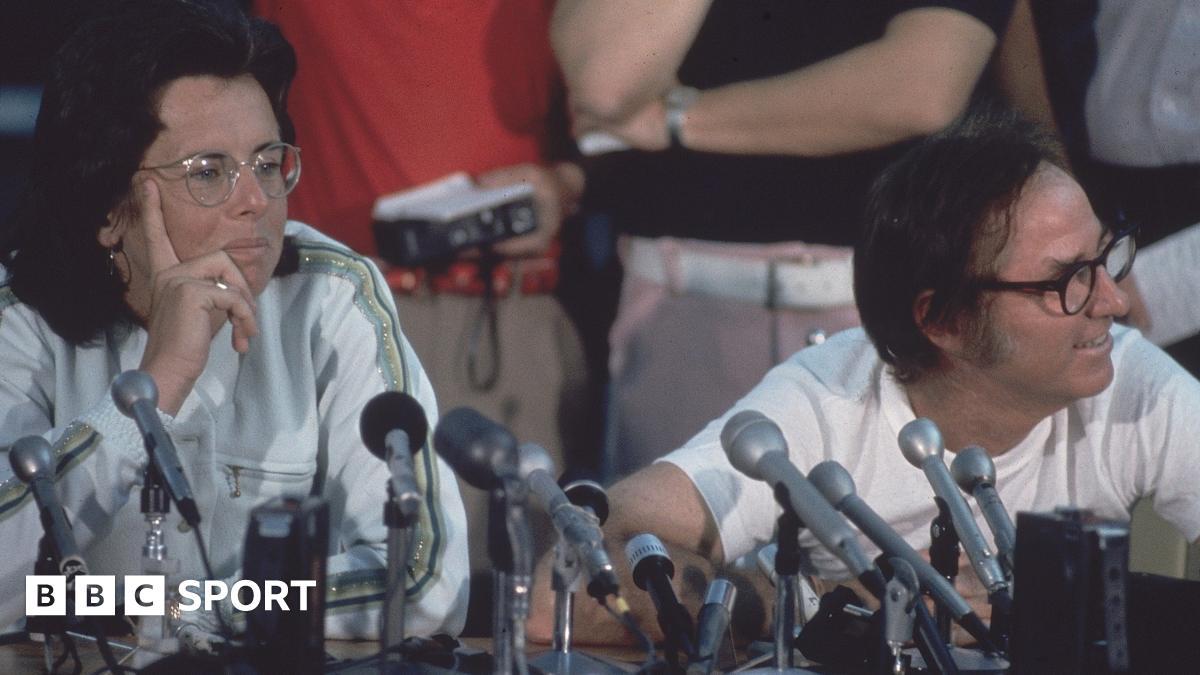
The most famous of these contests took place in 1973, when Billie Jean King faced Bobby Riggs.Riggs, a self-proclaimed male chauvinist, confidently predicted he could defeat any top female player. King accepted the challenge, understanding the stakes extended far beyond the court.
She recalled a previous encounter with Riggs, stating, “I played Bobby three out of five sets, I played on a court and didn’t change anything. I said, ‘look, I play straight up or else I’m not going to play.’ And Bobby loved it.” King’s resolve to compete on equal terms highlights the core issue at play – fairness and respect.
Riggs had previously defeated Margaret Court 6-1, 6-2 in an earlier “Battle of the Sexes” match.However, King’s victory over riggs was far more significant. It wasn’t just a tennis match; it was a cultural moment.
The Societal Context of 1973
King’s match occurred during a period of significant social upheaval.The year saw the founding of the Women’s Tennis Association (WTA), a direct response to the inequalities faced by female players. A group of players, known as “The Original 9,” bravely broke away from the established tennis structure to advocate for their rights.
Simultaneously, the passage of Title IX in the United States prohibited sex-based discrimination in education programs, including athletics. This legislation mandated equal opportunities and treatment for male and female athletes. King understood the weight of this moment.”Mine was really political,” she explained. “It was rough, culturally, what was coming in with it. I knew I had to beat him for societal change. I had a lot of reasons to win.”
Sabalenka vs. Kyrgios: What’s Different Now?
While the societal landscape has evolved since 1973, the Sabalenka-Kyrgios match raises similar questions. Though, the context is different. Women’s tennis has achieved significant strides in equality, with comparable prize money at major tournaments and increased media coverage.
Yet,concerns remain about the potential for such exhibition matches to reinforce outdated stereotypes. Some argue that a loss for Sabalenka could be interpreted as evidence of inherent male superiority, despite the numerous factors influencing a single match.
The Match Itself: Unique Conditions
The exhibition match isn’t a straightforward contest.Several conditions differentiate it from a standard professional match:
* Best of Three Sets: The match will be decided by the best of three sets, with a 10-point tie-breaker in the deciding set.
* One Serve Each: Each player will only be allowed one serve, potentially impacting the rally dynamics.
* Court Size Adjustment: Perhaps the most controversial aspect is the adjustment to the court size. Organizers Evolve stated that data indicates female players move, on average, 9% slower than their male counterparts, and Sabalenka’s side of the court will be 9% smaller accordingly. This decision has drawn criticism, with some arguing it patronizes female athletes.
Why Court Adjustments are Problematic
Adjusting the court size based on average movement speed introduces several issues. It implies that success in tennis is solely dependent on physical speed, ignoring crucial elements like strategy, skill, and mental fortitude. Moreover, it reinforces the idea that women need to be “handicapped” to compete with men, undermining the progress made towards equality.
The Evolving Landscape of Tennis Equality
The conversation surrounding this match underscores the ongoing evolution of equality in tennis. While significant progress has been made, challenges remain. Ensuring equal opportunities, fair representation, and respect for all players – regardless of gender – is a continuous process.
Recent data from the WTA
Related reading