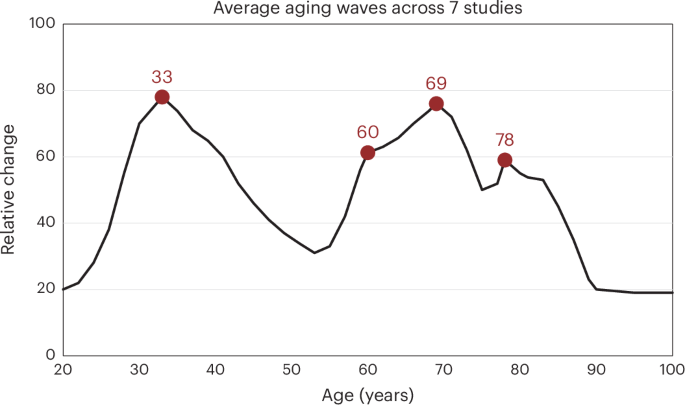
Biological aging clocks—mathematical models designed to estimate physiological age by measuring molecular changes—are increasingly utilized by researchers to track healthspan and evaluate the efficacy of longevity interventions. Unlike chronological age, which is measured in years, these clocks analyze biomarkers such as DNA methylation patterns to quantify the cumulative impact of lifestyle, genetics, and environment on the body’s aging process.
As an internal medicine physician based in Berlin, I have observed the rapid evolution of this field. While the concept of a “clock” for the body might sound futuristic, it is rooted in established epigenetic science. By identifying which biological systems are aging faster than expected, clinicians and researchers aim to better understand the pathobiology of age-related diseases, such as cardiovascular conditions, neurodegeneration, and metabolic disorders, before clinical symptoms manifest.
The Science of Epigenetic Clocks
The most widely recognized biological clocks are based on DNA methylation—chemical modifications to DNA that do not change the underlying sequence but do influence gene expression. By analyzing these specific patterns, scientists can produce an estimate of "biological age," which may be higher or lower than an individual's chronological age.
Recent advancements have moved beyond simple DNA methylation models to incorporate multi-omics data, including proteomic and metabolomic profiles. This integration provides a more comprehensive view of systemic health. A report by the World Health Organization (WHO) emphasizes that understanding these biological markers is essential for developing interventions that promote “healthy ageing,” defined as the process of developing and maintaining the functional ability that enables well-being in older age.
Clinical Applications and Disease Prediction
The primary clinical value of biological aging clocks lies in their potential to serve as biomarkers for chronic disease risk. If a patient’s biological clock indicates accelerated aging, it may signal an increased risk for specific age-related pathologies. According to the Centers for Disease Control and Prevention (CDC), chronic diseases remain the leading causes of death and disability globally, and early detection is a critical pillar of public health strategy.
By monitoring changes in these clocks, clinicians hope to measure the impact of lifestyle modifications or pharmacological interventions in real-time. For instance, if an intervention aimed at improving metabolic health also results in a “slowing” of the biological clock, it provides a quantitative metric for success that was previously unavailable. However, the U.S. Food and Drug Administration (FDA) maintains strict standards for biomarker qualification, noting that such tools must be rigorously validated for clinical safety and efficacy before they can be used to inform treatment decisions in a routine medical setting.
Challenges in Translation and Standardization
Despite the promise of these tools, the field faces significant hurdles regarding standardization and accessibility. Because different clocks use different algorithms and biomarkers, results can vary between tests. This lack of uniformity makes it difficult for healthcare providers to interpret “biological age” scores for individual patient management. Furthermore, the Nature Medicine analysis on biomarker development highlights that ethical considerations, such as data privacy and the potential for misuse in insurance or employment, must be addressed as these technologies advance.
There is also the risk of consumer-facing “aging tests” marketed to the public without adequate scientific backing. As of mid-2026, most biological aging clocks remain research-grade tools rather than diagnostic tests. Physicians advise that patients should approach these metrics with caution, viewing them as supplemental data points rather than definitive assessments of longevity or health status.
Future Directions in Longevity Research
The next phase of research will focus on the longitudinal validation of these clocks in diverse populations. To truly understand the drivers of aging, data must be collected across various ethnic, socioeconomic, and geographic groups. The Lancet Healthy Longevity journal highlights that without such diversity, the findings may not be generalizable, potentially exacerbating existing health disparities in how age-related diseases are diagnosed and treated.
As the scientific community continues to refine these models, the integration of biological clocks into clinical practice will likely depend on the development of standardized, low-cost, and high-throughput diagnostic platforms. The goal is not merely to predict the end of life, but to identify the specific biological pathways that lead to decline, thereby allowing for earlier, more targeted interventions that improve the quality of life for aging populations worldwide.
For those interested in the latest updates on medical research and health policy, I encourage you to follow official releases from institutions like the European Medicines Agency (EMA) and the World Health Organization. These organizations provide the most reliable frameworks for understanding how emerging medical technologies are evaluated for public use. I welcome your thoughts and insights in the comments section below as we continue to track these developments in medical innovation.