New Genetic Insights Offer Hope for Targeted diabetes Treatment in African Populations
A groundbreaking new study published in Nature Genetics has identified 58 previously unknown genetic variants associated with Type 2 Diabetes (T2D) and pre-diabetes, specifically within individuals of African ancestry. This research, conducted by a team led by Dr. Ubeyme Surimekon at the University of Exeter, represents a notable step forward in understanding the genetic underpinnings of diabetes in a population historically underrepresented in global genomic studies.
The Challenge of a “One-Size-Fits-All” Approach
For too long, diabetes research has largely focused on populations of European descent. This has led to a limited understanding of the disease’s genetic architecture in other ethnic groups, hindering the advancement of effective, targeted treatments. As Dr. Surimekon emphasizes, “a one-size-fits-all approach to diagnosis and treatment…is not sufficient. We need solutions that reflect the diversity in human biology.” This study directly addresses that need, highlighting the critical importance of diversifying genomic research to improve healthcare equity.
Key Findings and Implications
The research involved analyzing data from 163 individuals with T2D or pre-diabetes and 362 healthy Ugandan volunteers. Researchers measured levels of 2873 proteins in plasma samples, identifying 88 proteins expressed differently between the two groups. Crucially, 18 of the newly identified genetic variants were directly linked to T2D.
This is not merely an academic exercise. The study reveals that some of thes variants are potentially amenable to treatment with existing medications.This offers a pathway to rapidly translate these findings into improved clinical care for individuals of African descent.
The Growing Diabetes crisis in Africa
The timing of this research is particularly critical. Africa is facing a rapidly escalating diabetes epidemic. The International Diabetes Federation projects a staggering 143% increase in diabetes cases across the continent by 2045,rising from 19.4 million in 2019 to 47.1 million.Globally, the projected increase is 51%, reaching 700.2 million by 2045.
This dramatic rise is driven by a complex interplay of genetic predisposition,lifestyle changes,and socio-economic factors. compounding the problem is a high rate of undiagnosed diabetes – estimated at 66.7% across the continent – leading to delayed treatment and increased complications. In Uganda, diabetes prevalence has tripled in the last decade, with nearly half of those affected unaware of their condition.
Local Efforts and the Path Forward
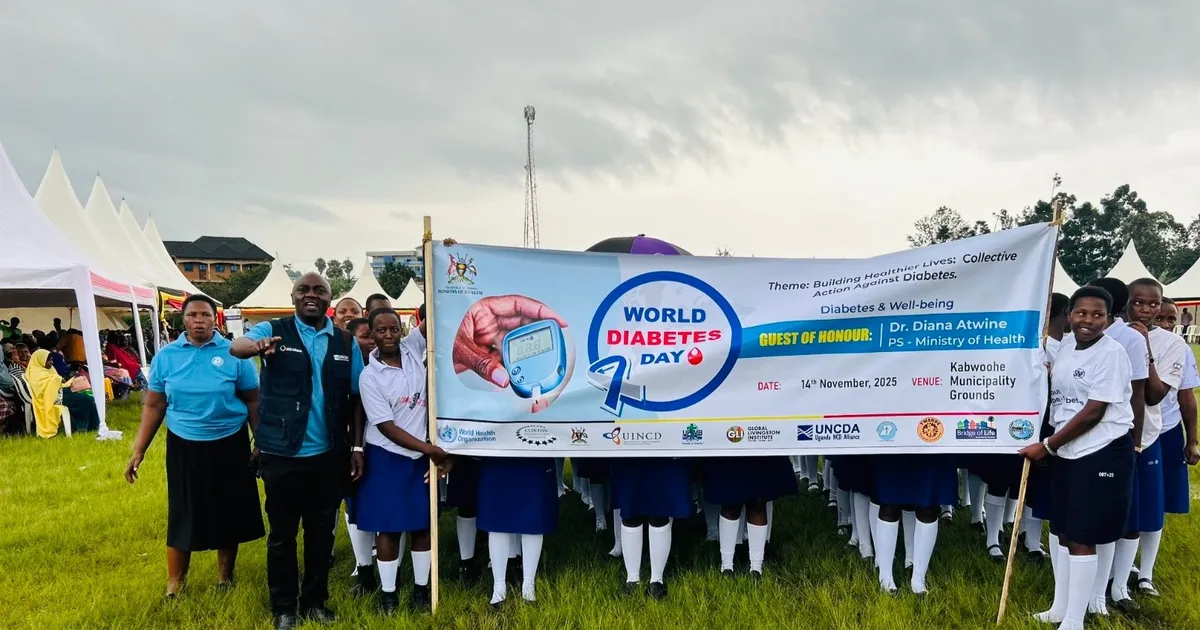
Organizations like the Uganda Diabetes Association (UDA),established in 1982,are working tirelessly to address the challenges of diabetes in the country. Through 19 branches nationwide, the UDA provides care, advocacy, and education to those affected by, or at risk of, diabetes.
However, sustained progress requires a multi-faceted approach. This new genetic research provides a vital piece of the puzzle, paving the way for:
* Personalized Medicine: Tailoring treatment strategies based on an individual’s genetic profile.
* Improved Diagnostic Tools: Developing more accurate and culturally sensitive diagnostic tests.
* Targeted drug Development: Focusing research on medications that are most effective for individuals of African ancestry.
* Public Health Initiatives: Designing culturally appropriate prevention programs that address the specific risk factors within African communities.
This study is a powerful reminder that a truly global approach to healthcare requires acknowledging and addressing the unique genetic and environmental factors that influence disease susceptibility in diverse populations. By investing in research that reflects the full spectrum of human genetic diversity, we can unlock new opportunities to prevent and treat diabetes, and improve the health and well-being of millions worldwide.