Where Interstellar Objects Are Most Likely to Hit Earth: New Research Reveals Key Insights
Recent research is shedding light on a fascinating question: where are interstellar objects (ISOs) most likely to impact Earth? Understanding this distribution isn’t just about academic curiosity; it’s crucial for preparing future astronomical observations and assessing potential risks. This article dives into the findings, explaining what they mean for you and the future of interstellar object detection.
The Mystery of Interstellar Visitors
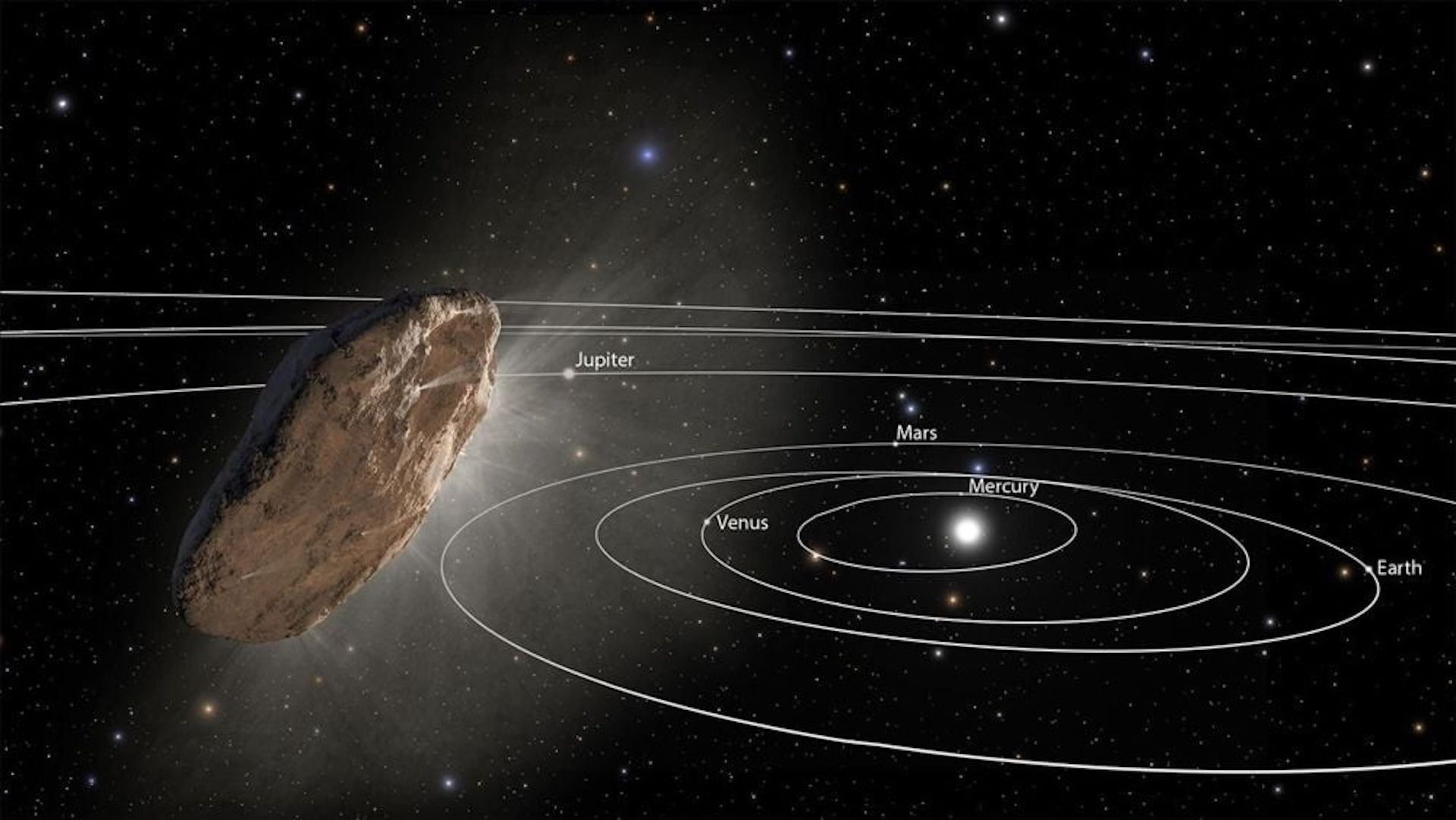
For years, astronomers have been intrigued by the occasional visitor from beyond our solar system. These ISOs, like ‘Oumuamua and 2I/Borisov, offer a unique glimpse into the building blocks of other star systems. However,pinpointing where these objects are most likely to come from – and therefore,where we should look for them – has been a challenge.
New Research Focuses on M-Dwarf Systems
A new study has focused on ISOs originating from M-dwarf star systems, the most common type of star in the Milky Way.Researchers modeled the trajectories of objects ejected from these systems to determine how their paths might influence impact probabilities on Earth. This is a important step,as understanding the source star system helps refine predictions.
Here’s what the research reveals:
* Low Latitudes are Favored: Interstellar objects are more likely to impact Earth closer to the equator, at lower latitudes. This is due to the way these objects are ejected from their parent star systems.
* Northern hemisphere Preference: There’s a slight tendency for impactors to originate from the Northern Hemisphere. This subtle bias adds another layer to our understanding of ISO distribution.
* Seasonal Impact trends: The study suggests a potential seasonal variation in impacts, though this requires further inquiry.
Important Caveats and Limitations
It’s important to understand the scope of this research.The current models specifically address ISOs ejected from M-dwarf systems. Different types of star systems would likely produce different distributions. However,the researchers believe the core findings – the general patterns of impact probability – likely hold true even with different assumptions.
Furthermore, this work doesn’t attempt to predict how many ISOs will impact Earth. Determining the overall rate of interstellar impacts remains an unsolved problem. Measuring that rate is currently beyond our capabilities.
Implications for Future Observations
These findings are notably valuable as we prepare for the next generation of astronomical surveys. The Vera Rubin Observatory,with its Legacy Survey of Space and Time (LSST),is poised to revolutionize our ability to detect ISOs.
The research provides astronomers with a roadmap for where to focus their search. Knowing the likely distribution of ISOs will considerably increase the efficiency of the LSST and other future surveys.It gives them a better idea of what to expect and where to look.
What This Means for You
While the chances of a catastrophic impact from an ISO are extremely low,understanding these objects is vital for planetary defense. This research represents a crucial step in characterizing the interstellar habitat and assessing potential risks. You can rest assured that scientists are actively working to understand these cosmic visitors.
The Dawn of Interstellar Object Exploration
we are only beginning to explore the realm of interstellar objects. This study provides valuable insights into their likely origins and impact patterns. As the Vera Rubin Observatory and other advanced telescopes come online, we’ll gather more data to confirm or refine these findings.
The future of ISO research is radiant, promising a deeper understanding of our place in the cosmos and the potential for life beyond Earth. This is a truly exciting time for astronomy and planetary science.