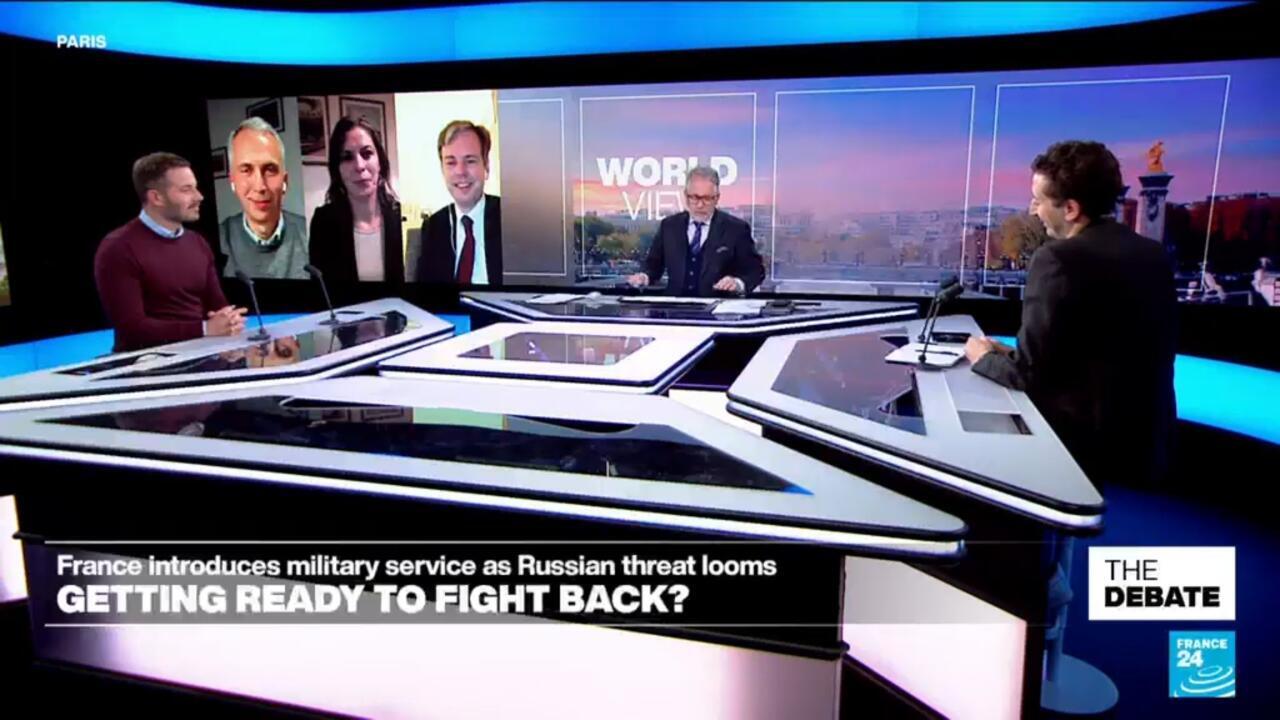
The Return of National Service: France‘s Response to a Shifting Geopolitical Landscape
the announcement by French President Emmanuel Macron to reintroduce a form of national service has sent ripples through Europe and beyond. This isn’t simply a nostalgic return to tradition; it’s a calculated response to a rapidly evolving security environment, primarily driven by the escalating threat from Russia. But what does this new program entail, and what are the broader implications for France, Europe, and the concept of civic duty in the 21st century? This article delves into the details, exploring the motivations, mechanics, and potential consequences of this important policy shift.
Understanding the Context: Why Now?
For decades, France has debated the merits of reinstating mandatory or universal national service. Previous iterations were phased out in the 1990s, deemed outdated in a professionalized military. Though, the geopolitical landscape has dramatically changed.The war in Ukraine, coupled with rising global instability, has prompted a reassessment of France’s preparedness and the need to strengthen its national resilience.
macron explicitly cited the “growing threat from Russia” as a key driver behind the decision. This isn’t solely about military preparedness, though. It’s also about fostering a stronger sense of national unity, civic duty, and shared values among French youth.
The Mechanics of the New National Service Program
The proposed program isn’t a return to conventional conscription. It’s a universal, yet voluntary, service chance open to all French citizens upon reaching the age of 18. Here’s a breakdown of the key features:
* Duration: Approximately one year.
* Compensation: Participants will receive a monthly stipend of €800 (roughly $865 USD as of November 2023).
* Service Options: The service will encompass a range of options beyond traditional military training, including:
* Defense and Security: Direct involvement with the armed forces.
* Civic Engagement: Opportunities in areas like environmental protection, healthcare, and social services.
* Industrial Support: Contributing to sectors deemed vital for national security.
* Voluntary Participation: While universal in scope, participation is presented as a voluntary choice. However, the program is designed to be highly attractive, with incentives and pathways for future education and employment.
Real-World Applications and Potential impacts
The implications of this program are far-reaching. Let’s examine some potential real-world applications and impacts:
* Enhanced Military Readiness: While not creating a massive influx of fully trained soldiers, the program will provide a pool of individuals with basic military skills and a greater understanding of national defense.
* Strengthened Social Cohesion: Bringing together young people from diverse backgrounds in a shared service experience could foster a stronger sense of national identity and reduce social fragmentation.
* Civic Engagement Boost: The program’s emphasis on civic engagement could lead to increased volunteerism and participation in community initiatives.
* Economic Benefits: The €800 monthly stipend will inject money into the economy, and the program could create new employment opportunities in related sectors.
Case Study: Israel’s National Service Model
Israel offers a compelling case study. Its long-standing national service program, while mandatory for most citizens, provides a framework for integrating diverse populations, fostering a strong sense of national identity, and addressing critical societal needs.France can learn from both the successes and challenges of the Israeli model. https://www.idf.il/en/
Controversies and Challenges
The reintroduction of national service isn’t without its critics.Concerns have been raised about:
Worth a look