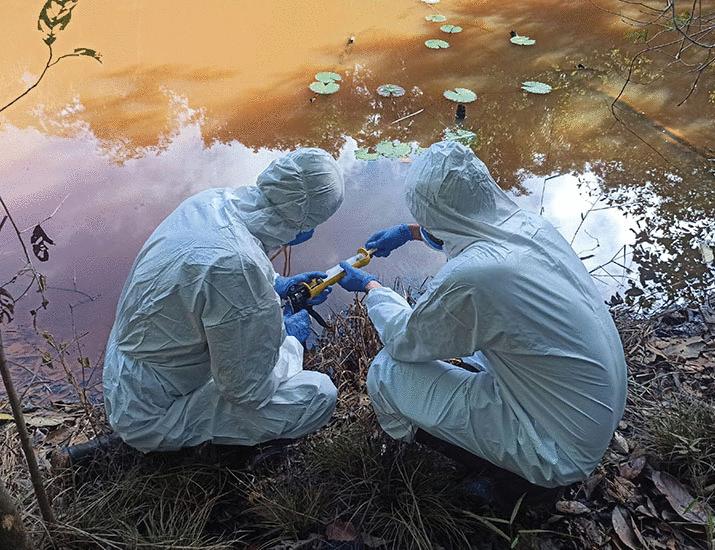
The intersection of industrial development and ecological preservation in the Amazon rainforest is creating a volatile environment for global health. New research indicates that Amazon infrastructure poses biosecurity risks, suggesting that the expansion of human-made corridors into previously undisturbed forests is increasing the likelihood of zoonotic spillover and the spread of infectious diseases.
As deforestation accelerates to build way for roads and energy projects, the natural barriers that once isolated wildlife pathogens from human populations are eroding. This shift not only threatens local communities but creates potential biosecurity vulnerabilities at regional and global scales, as pathogens can move more freely across newly opened landscapes.
The risks are not theoretical. Recent observations have linked specific infrastructure corridors to the emergence of new viral lineages. For instance, the BR-319 corridor has been associated with a new lineage of the Oropouche virus, highlighting how the fragmentation of the rainforest can facilitate the jump of viruses from animals to humans.
The Link Between Deforestation and Pathogen Spillover
The primary driver of these biosecurity risks is the systematic removal of forest cover. When large tracts of Amazonian forests are cleared, it disrupts the delicate balance of local ecosystems. This deforestation forces wildlife into closer contact with human settlements and workers, creating “hotspots” where viruses can jump species.

According to research published in Science, the biosecurity risks associated with Amazon infrastructure are felt at local, regional, and global scales. The creation of roads and utility corridors acts as a conduit, allowing both humans and displaced wildlife to migrate, thereby transporting pathogens into new territories.
This process of “environmental encroachment” means that diseases that were once confined to deep-forest niches are now entering the human stream. Once a pathogen enters a populated area, the risk of an outbreak increases, potentially leading to wider public health crises if the virus is highly transmissible or virulent.
Infrastructure Corridors as Disease Vectors
Infrastructure projects, such as the BR-319 highway, serve as more than just transport routes; they function as biological bridges. The construction and maintenance of these roads bring thousands of workers into the heart of the rainforest, often with limited access to healthcare and monitoring.
The emergence of a new Oropouche virus lineage within the BR-319 corridor serves as a critical example of this phenomenon. The Oropouche virus is typically transmitted by midges and other insects; but, the alteration of the landscape through infrastructure development changes the habitat of these vectors, bringing them into more frequent contact with humans.
A new Oropouche virus lineage from the BR-319 corridor has …
When infrastructure fragments the forest, it creates “edge effects”—zones where the forest meets cleared land. These edges are often more biodiverse in ways that favor generalist species, such as certain rodents and bats, which are known reservoirs for many zoonotic viruses. As these animals adapt to the edges of roads and settlements, the probability of a spillover event increases significantly.
What This Means for Global Biosecurity
The implications of these findings extend far beyond the borders of Brazil. In a globalized world, a pathogen emerging in the Amazon can reach major urban centers within hours. Biosecurity, refers to the measures taken to prevent the introduction and spread of harmful organisms.
The risk is compounded by the fact that many of the viruses residing in the Amazon are unknown to science. Each new road carved into the jungle potentially unlocks a “viral vault,” introducing agents to which the human immune system has no prior exposure. This makes the monitoring of infrastructure projects a matter of international health security, not just local environmental concern.
Key Takeaways on Amazonian Biosecurity
- Infrastructure as a Catalyst: Roads and energy corridors facilitate the movement of pathogens by breaking natural ecological barriers.
- Zoonotic Spillover: Deforestation increases the frequency of human-wildlife interactions, raising the risk of viruses jumping from animals to people.
- Specific Threats: The BR-319 corridor has already been linked to the emergence of a new Oropouche virus lineage.
- Scale of Risk: Biosecurity threats are not limited to the local area; they pose regional and global risks due to human mobility.
Addressing the Challenge: The Path Forward
Mitigating these risks requires a shift in how infrastructure is planned and executed. Rather than viewing environmental impact solely through the lens of carbon sequestration or species loss, policymakers must integrate “health security” into their assessments. This means recognizing that a road is not just a piece of concrete, but a potential pathway for a future pandemic.
Effective biosecurity strategies would involve rigorous health surveillance of workers in infrastructure zones and the establishment of “buffer zones” to minimize the edge effects that drive zoonotic jumps. Reducing the rate of deforestation is the most direct way to lower the risk of spillover, as keeping pathogens isolated in their natural habitats is the most effective form of prevention.
As the global community continues to monitor the health of the Amazon, the focus must remain on the link between land-use change and infectious disease. The evidence from the Science report underscores that the cost of infrastructure may be higher than the financial investment, potentially including the cost of managing new emerging diseases.
The scientific community continues to monitor these corridors for further viral mutations and spillover events. Future updates on the BR-319 corridor and other Amazonian infrastructure projects will be critical in determining if current mitigation strategies are sufficient to protect global public health.
We encourage our readers to share this article and join the conversation in the comments below regarding the balance between economic development and global health security.