Avian Influenza Outbreak in Ireland: Protecting Poultry and Public Health
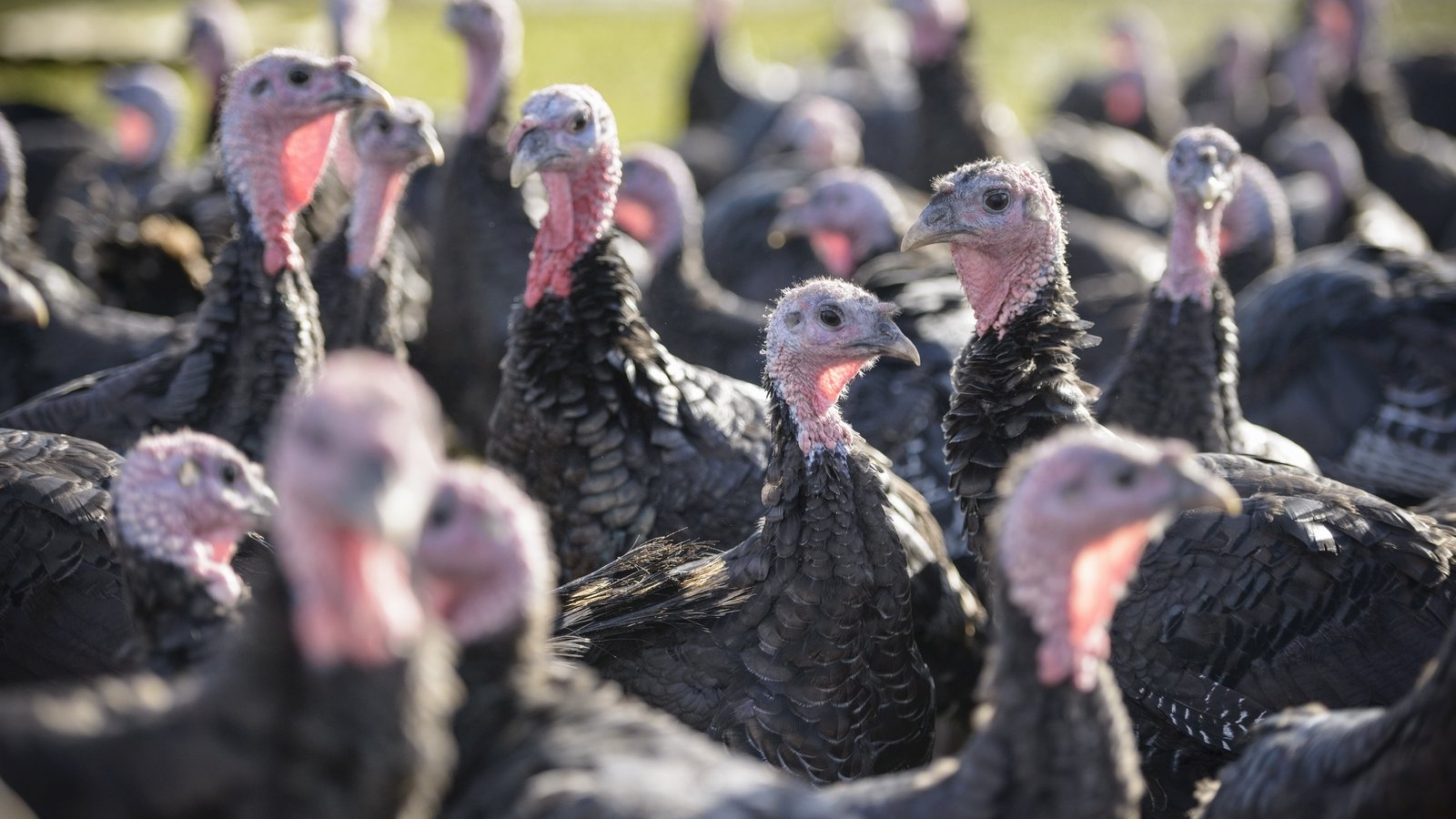
The recent confirmation of avian influenza (bird flu) in a commercial turkey flock in County Carlow has triggered swift action from the Department of Agriculture, Food and the Marine.This outbreak, involving the highly pathogenic H5N1 strain, underscores the ongoing threat posed by this virus to IrelandS poultry industry and the importance of proactive biosecurity measures. but what does this mean for poultry farmers, wildlife enthusiasts, and the general public? This article provides a comprehensive overview of the situation, outlining the risks, preventative steps, and current status of the outbreak.
Understanding the Current Situation: Zones and Restrictions
Following the confirmed case, the department of Agriculture has implemented strict control measures to contain the spread of the virus.These include the establishment of:
* 3km Protection Zone: This area encompasses the affected holding and restricts the movement of poultry, eggs, and other potentially contaminated materials.
* 10km Surveillance Zone: A wider area surrounding the protection zone, where increased monitoring and testing of poultry flocks are being conducted.
Minister for Agriculture, Martin Heydon, emphasized the critical role of biosecurity, stating, “This outbreak is a reminder to us all of the importance of robust biosecurity. Strict biosecurity is the best defense we have against the threat of avian influenza.” A recent biosecurity order, effective since last Saturday, reinforces these measures.
Did You Know? Ireland has seen over 40 confirmed cases of H5N1 in wild birds this year alone,highlighting the widespread presence of the virus in the environment.
Avian Influenza: Risks, Symptoms, and Transmission
Avian influenza, commonly known as bird flu, is a highly contagious viral disease that primarily affects birds. The H5N1 strain is especially concerning due to its high pathogenicity – meaning it can cause severe illness and high mortality rates in poultry.
Key Symptoms to Watch For:
* Sudden death of birds
* Lethargy and depression
* Loss of appetite
* Respiratory distress (coughing, sneezing, difficulty breathing)
* Swelling of the head, eyelids, and wattles
* Diarrhea
* Decreased egg production
The virus spreads easily between birds through direct contact with infected birds or contaminated surfaces (feces, respiratory secretions). Wild birds, particularly migratory waterfowl, are often carriers of the virus and can spread it to domestic poultry.
Pro Tip: Regularly disinfect footwear, clothing, and equipment used in poultry houses. Implement strict visitor control measures to minimize the risk of introducing the virus.
Public Health Considerations: is There a Risk to Humans?
while the outbreak understandably raises concerns, the Department of Agriculture, in conjunction with the HSE Health Protection Surveillance Center and the European Centre for Disease Prevention and Control (ECDC), assures the public that the risk to human health from the currently circulating strain is low.
Minister Heydon also clarified that the disease “poses no food safety risk to consumers of well-cooked poultry products, including eggs.” However, it’s crucial to practice good hygiene when handling raw poultry and eggs, including thorough cooking and washing hands.
Here’s a speedy comparison of risk levels:
| Risk Area | Risk Level |
|---|---|
| Poultry Flocks | High |
| Wild Birds | Moderate |
| General Public | Low (with proper precautions) |
Biosecurity Measures: Protecting Your Flock
Effective biosecurity is the cornerstone of preventing and controlling avian influenza outbreaks. Here’s a step-by-step guide for poultry owners:
- Restrict Access: Limit access to your poultry houses to essential personnel only.
- Hygiene Protocols: implement strict hygiene protocols, including hand washing, disinfection of footwear and clothing, and regular cleaning and disinfection of housing and equipment.
- Wild Bird Control: Prevent contact between domestic poultry and wild birds. Netting and enclosed housing can help.
- Feed and Water Security: Store feed and water in secure locations to prevent contamination by wild birds.
- Reporting: Immediately report any signs of
Worth a look
- More than 800 birds rescued from Valley Center property
- Bakel : La Saed salue l’engagement des producteurs dans la souveraineté alimentaire – LeQuotidien.sn
- Why Northern Cyprus Is a Country to Almost No One But Turkey (daybreakwire.com)
- Cyclosporiasis Outbreak: Symptoms, Prevention, and What to Do (archyde.com)