The remote and fragile ecosystem of Antarctica is facing a new threat: highly pathogenic avian influenza (HPAI) H5N1. While the continent was previously spared from this widespread virus, recent detections in South Georgia and the Falkland Islands and now confirmed cases within Antarctica itself, are raising concerns among scientists and conservationists. The spread of this virus to a region previously untouched highlights the increasing reach of H5N1 and the potential for devastating impacts on vulnerable wildlife populations. Understanding the dynamics of this outbreak, its potential for adaptation, and the ongoing monitoring efforts are crucial for mitigating the risks to this unique environment.
For decades, Antarctica remained a haven for avian species, largely shielded from the global spread of influenza viruses. But, the detection of H5N1 in October 2023 in brown skuas on Bird Island, South Georgia, marked a turning point. Research published in Nature details the subsequent spread of the virus, impacting multiple avian and even mammalian species across South Georgia. Simultaneously, cases were confirmed in southern fulmars and black-browed albatrosses in the Falkland Islands. This initial outbreak prompted immediate investigation and a coordinated monitoring effort to track the virus’s progression and assess its potential consequences. The situation underscores the interconnectedness of global ecosystems and the vulnerability of even the most remote regions to emerging infectious diseases.
As of February 12, 2026, more than 50 skuas have died in Antarctica due to H5N1 avian influenza, marking the first confirmed wildlife die-off on the continent, according to a report from the University of California – Davis. Researchers observed severe neurological symptoms in affected skuas, including twisted necks, circling behavior, and birds falling from the sky. While penguins and fur seals were examined, skuas have emerged as the primary victims, particularly on Beak Island, where a mass die-off occurred. This initial impact on skuas, apex predators and scavengers in the Antarctic ecosystem, is particularly concerning due to their role in maintaining ecological balance.
Monitoring and Genetic Analysis: Tracking the Virus’s Path
The rapid response to the H5N1 outbreak in Antarctica involves a collaborative effort between international research teams and local institutions. The Instituto Antártico Chileno (INACH) has been conducting systematic monitoring for the past three years, working with a team led by Dr. Víctor Neira Ramírez of the University of Chile’s Department of Preventive Animal Medicine. This program focuses on analyzing environmental and biological samples from wildlife – including both healthy and deceased animals – to detect the virus early. The meticulous approach involves analyzing samples to understand the virus’s spread and potential mutations.
Genetic assessment of the virus indicates its origin in South America, likely carried by migratory birds. Crucially, analysis of samples from mammalian species has not revealed any increased risk to human populations beyond that observed in other global instances of mammalian infections. This finding provides some reassurance, but ongoing surveillance is essential to monitor for any potential changes in the virus’s genetic makeup. Researchers are prioritizing the sequencing of viral genomes to trace its evolution and understand how it affects different species. This genomic data is vital for informing conservation strategies and predicting future outbreaks.
The diagnostic process employed by researchers utilizes both rapid antigen tests, similar to those used for COVID-19, and real-time PCR, a highly precise technique for definitive confirmation. According to Dr. Marcelo González, a researcher at INACH, all suspicious findings from the rapid tests are subsequently verified using PCR. This rigorous protocol ensures the accuracy of the data and provides a reliable basis for informed decision-making. The LXII Antarctic Scientific Expedition (ECA 62), aboard the ship Betanzos, has expanded monitoring coverage to remote areas of the western Antarctic Peninsula, further strengthening surveillance efforts.
Species at Risk and Potential Impacts
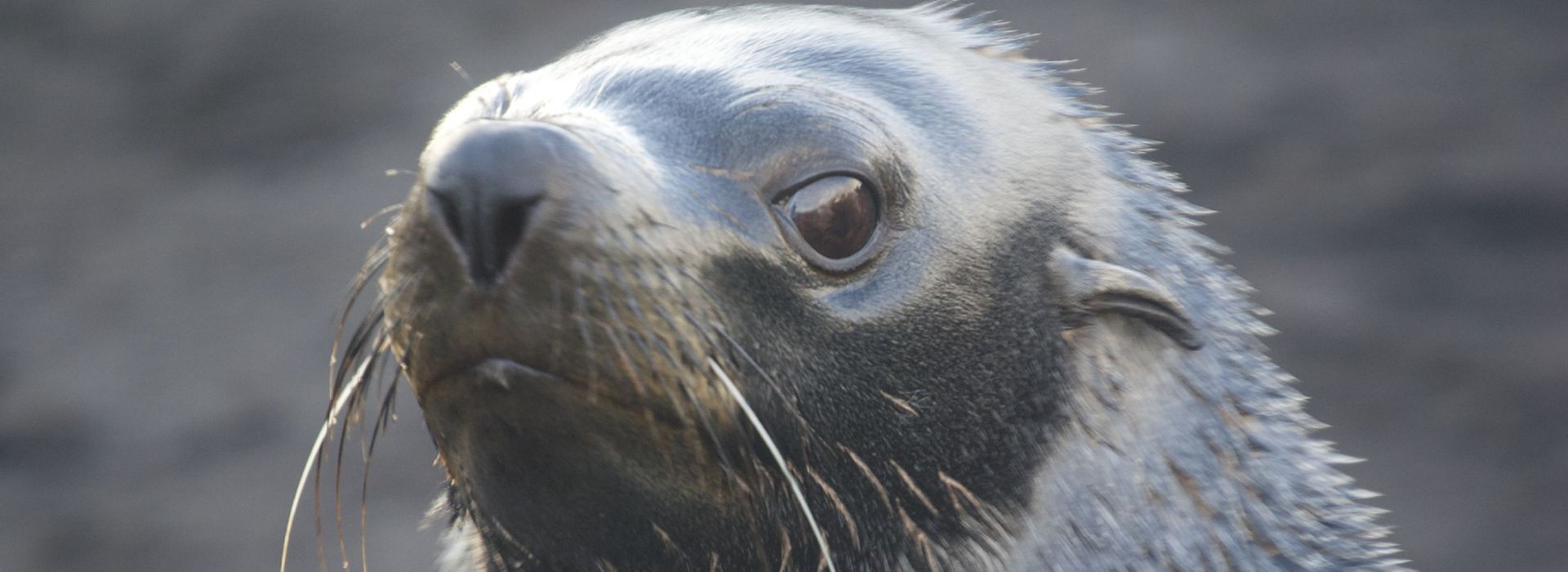
While the initial impact of H5N1 has been most pronounced in skuas, the virus has also been detected in other Antarctic species, including the Antarctic cormorant, Adélie penguin, Dominican gull, and Antarctic fur seal. Even though widespread mortality hasn’t yet been observed across all populations, researchers are closely monitoring areas where higher mortality rates have been reported. The potential for the virus to adapt to species like penguins is a significant concern, as it could lead to large-scale die-offs. Penguins, with their dense colony structures, are particularly vulnerable to rapid disease transmission.
The scavenging behavior of skuas may contribute to the virus’s spread across Antarctica, as they come into contact with carcasses of infected animals. This highlights the complex ecological factors influencing the outbreak and the demand for a holistic approach to monitoring and mitigation. Researchers emphasize that, as of now, there is no evidence of generalized mortality, which is a positive sign, but continued vigilance is paramount. The long-term consequences of H5N1 on Antarctic ecosystems remain uncertain, but the potential for disruption is substantial.
The Role of International Collaboration
Addressing the H5N1 outbreak in Antarctica requires a coordinated international response. The collaborative efforts between the INACH, the University of Chile, and other research institutions demonstrate the importance of sharing data and expertise. The findings from these investigations are shared with the Servicio Agrícola Ganadero (SAG) for final confirmation, adhering to established protocols. This collaborative approach is essential for effectively monitoring the virus’s spread, understanding its impact, and developing strategies to protect Antarctic wildlife.
The current situation demands continuous and systematic surveillance, with a focus on genomic sequencing of positive samples to understand the virus’s origin and genetic evolution. This effort will contribute to epidemiological tracing, ongoing monitoring, and a better understanding of why the pathogen affects some species more severely than others. The data collected will be crucial for informing conservation strategies and mitigating the risks to this unique and vulnerable ecosystem.
Looking Ahead: Continued Vigilance and Research
The emergence of H5N1 in Antarctica represents a significant challenge for conservation efforts in the region. While the current situation is not yet catastrophic, the potential for widespread mortality and ecological disruption is real. Continued monitoring, genomic surveillance, and international collaboration are essential for mitigating the risks and protecting Antarctic wildlife. The ongoing research will provide valuable insights into the virus’s behavior and inform strategies for preventing future outbreaks.
The next steps involve continued monitoring of wildlife populations, particularly penguins, and further investigation into the virus’s genetic evolution. Researchers will also focus on understanding the factors that contribute to the virus’s spread and identifying potential interventions to protect vulnerable species. The data collected will be shared with international organizations and policymakers to inform conservation strategies and ensure the long-term health of the Antarctic ecosystem. The CDC continues to monitor the global situation, including sporadic human cases linked to dairy and poultry workers, as of February 18, 2026, as detailed on their website. More information on the current A(H5) bird flu situation can be found on the CDC website.
The situation in Antarctica serves as a stark reminder of the interconnectedness of global ecosystems and the importance of proactive surveillance for emerging infectious diseases. By continuing to invest in research and collaboration, we can better protect these fragile environments and the unique wildlife they harbor. We encourage readers to share this information and engage in discussions about the challenges facing Antarctica and the importance of conservation efforts.
Related reading