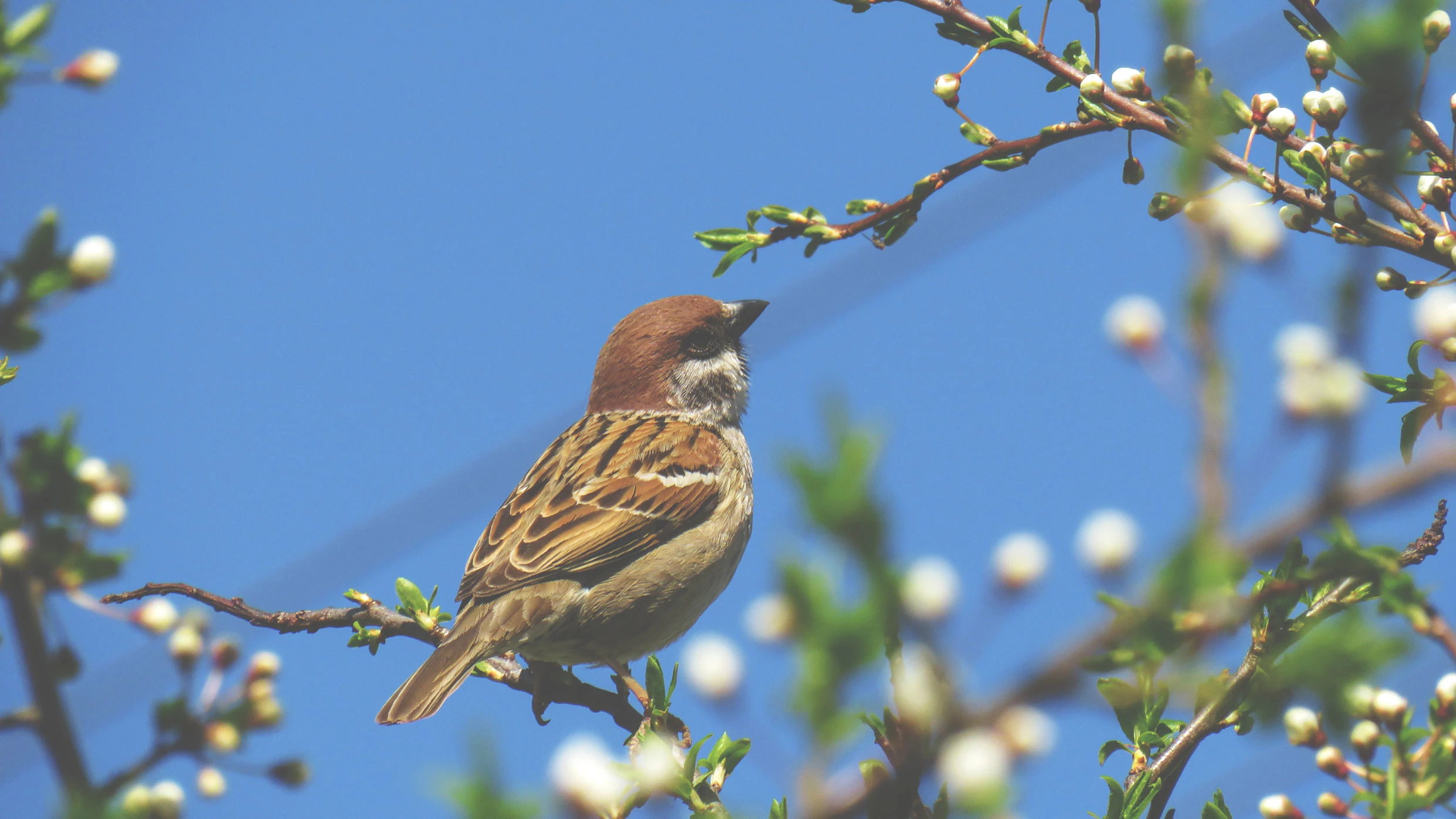
Is Yoru Partner Ignoring Your “Birds”? The Relationship Test Going Viral
A simple observation – spotting a bird,noticing a funny sign – is sparking a surprisingly insightful conversation about relationship health. This isn’t just a fleeting TikTok trend; it’s a modern interpretation of decades of relationship research. Let’s explore the “bird theory,” what it reveals about emotional connection, adn why it matters for your long-term happiness.
The Viral “Bird Theory” Explained
Originally popularized on Instagram and recently exploding on TikTok, the “bird theory” is straightforward. Point out something ordinary to your partner. Then,observe their reaction.
Do they meet your enthusiasm with curiosity? Or do they dismiss your observation with indifference, or even frustration? According to proponents, a positive response signals emotional investment, while a negative one could be a red flag. A video from @keketherealmrsjones, racking up over 56 million views, perfectly illustrates this dynamic, prompting countless others to test the theory with their own partners.
Beyond TikTok: The Science of “Bids”
Fortunately, this isn’t just internet pseudoscience. The concept is deeply rooted in the work of renowned relationship psychologist Dr. John Gottman. He doesn’t call them “birds,” though. He refers to thes moments as “bids.”
Essentially, a bid is any attempt to connect with your partner – a question, a gesture, a shared moment of observation.It could be a simple smile, a request for help, or, yes, pointing out a bird. These bids are the “basic unit of emotional dialog,” according to Gottman.
Why Responding to Bids Matters
How your partner responds to these bids is crucial. Gottman’s research demonstrates that consistently responding positively - ”turning towards” the bid – is a powerful predictor of relationship success.Conversely, ignoring or dismissing bids - “turning away” – can erode connection over time.
Consider these key findings from Gottman’s research:
* Strong relationships: Couples who consistently turned towards each other’s bids (86% of the time) remained happily together six years after a study began.
* At-Risk Relationships: Only 33% of couples who frequently turned away from each other’s bids where still together after the same period.
* Divorce Risk: Couples who ignore bids 50-80% of the time are substantially more likely to divorce.
What Does This Mean for Your Relationship?
Ultimately, the “bird theory” highlights the importance of attentiveness and responsiveness in a healthy partnership. You need to feel seen, heard, and valued by your partner.
Here’s how to apply this knowledge:
* Be Mindful of Your Own Bids: Pay attention to how you initiate connection with your partner.
* Notice Their Bids: Actively look for the small ways your partner tries to connect with you.
* Turn Towards: Make a conscious effort to respond positively, even to seemingly insignificant bids.Acknowledge their observation, ask a question, or share your own thoughts.
* Communicate Your Needs: If you feel your bids are consistently ignored, have an open and honest conversation with your partner.
A Word of Caution
While understanding the power of bids is valuable, avoid turning your relationship into a constant “test.” Microtesting can create anxiety and undermine trust. Instead, focus on cultivating a genuine sense of curiosity and attentiveness in your daily interactions.
Remember, building a strong and lasting relationship isn’t about passing a test. It’s about consistently choosing to connect with your partner, one “bird” at a time.
resources:
* Gottman Institute – bids for Connection
* [Gottman Institute – paying Attention](https://www.gottman.com/blog/pay-attention-for-passions-sake/#:~:text=Gottman’s%20studies%20indicate%20that%20couples,paying%20attention%20predicts
Related reading