
Bitcoin’s price fell below $63,000 on Tuesday, marking its steepest drop in weeks as investors rushed to exit technology stocks and triggered a broad risk-off sentiment across global markets. The sell-off, which saw the world’s largest cryptocurrency lose nearly 5% of its value in a single day, reflects mounting concerns over economic growth, rising interest rates, and weakening demand for high-growth assets. Analysts warn that the downturn could signal deeper volatility ahead if macroeconomic pressures persist.
According to data from CoinDesk, Bitcoin’s price dropped from a recent high of $64,800 on Monday to $62,900 by late trading on Tuesday, erasing over $1.9 billion in market value. The decline came as major tech stocks—including Nvidia, Tesla, and Meta—fell by 3% to 5%, accelerating a broader market correction that began last week. Meanwhile, the Nasdaq Composite Index, heavily weighted toward technology, fell 2.1% in a single session, its worst performance since May.
The retreat in risk assets has sent shockwaves through the cryptocurrency market, where Bitcoin’s movements often mirror broader financial trends. “This is a classic risk-off scenario,” said Shehan Chandrasekera, chief market strategist at IG. “When tech stocks underperform, investors tend to pull capital from higher-risk assets like crypto to preserve liquidity.” Chandrasekera noted that Bitcoin’s correlation with the Nasdaq has strengthened in recent months, reaching a 12-month high of 0.85, according to Bloomberg.
Why Is Bitcoin Falling Alongside Tech Stocks?
Bitcoin’s decline is being driven by several interconnected factors, all of which have weighed on investor sentiment in recent weeks:
- Rising Interest Rates: The U.S. Federal Reserve’s decision to hold interest rates at a 22-year high—with markets pricing in a 60% chance of a rate cut by July 2024—has increased the opportunity cost of holding non-yielding assets like Bitcoin. According to the CME FedWatch Tool, traders now expect the first rate cut to occur in September, later than previously anticipated.
- Weakening Economic Data: Recent U.S. economic reports, including a slower-than-expected jobs growth in June and a dip in consumer spending, have fueled concerns about a potential economic slowdown. The U.S. Bureau of Labor Statistics reported that nonfarm payrolls rose by just 206,000 in June, far below the expected 230,000.
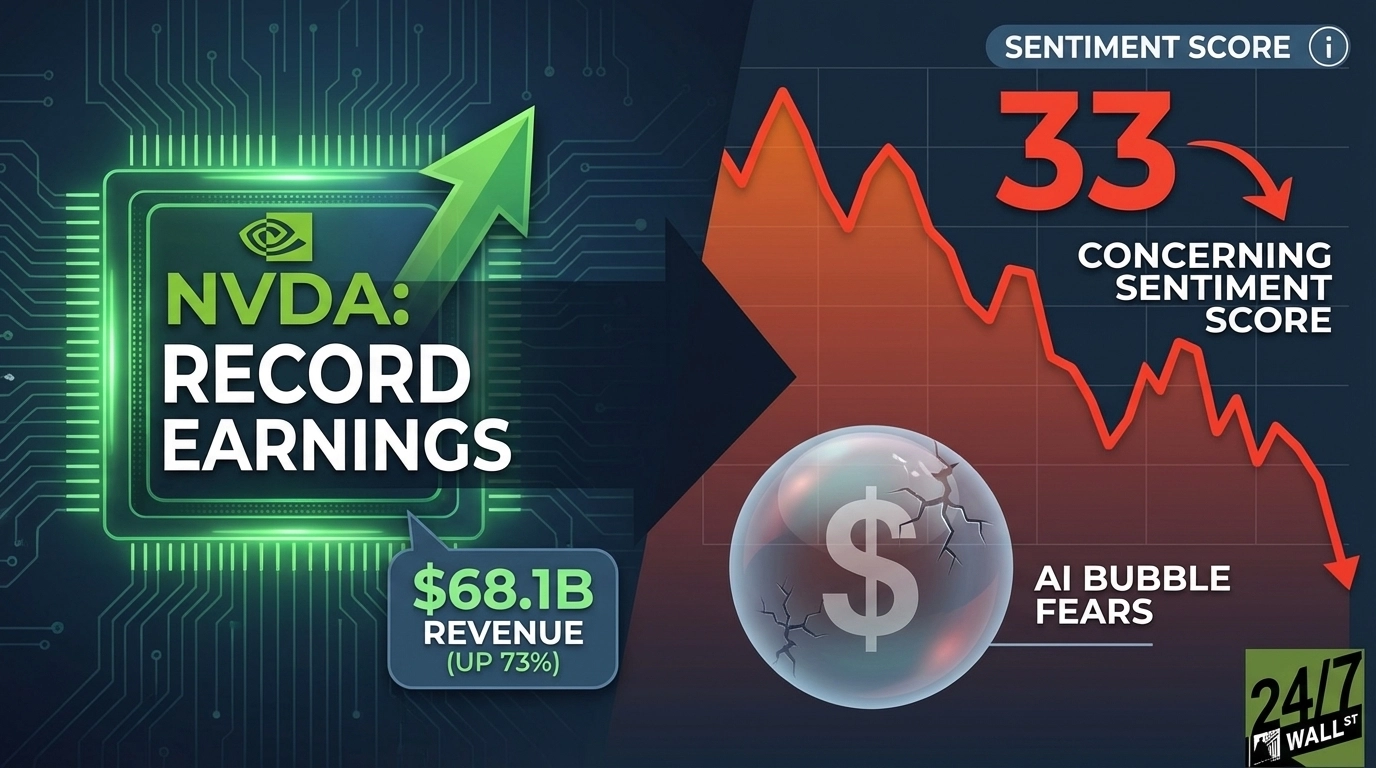
- Profit-Taking in Tech: The tech sector, which has led market gains over the past year, is now facing a correction as investors reassess valuations. Nvidia, the world’s largest AI chipmaker, saw its stock drop 5% on Tuesday after reporting weaker-than-expected revenue growth, while Tesla shares fell 4% amid concerns over slowing demand for electric vehicles. The Nasdaq-100 Index has now fallen nearly 10% from its all-time high in July.
- Regulatory Uncertainty: The U.S. Securities and Exchange Commission (SEC) continues to scrutinize crypto exchanges and trading platforms, with recent lawsuits against Binance and Coinbase raising questions about compliance risks. The SEC’s enforcement actions have contributed to a broader sense of unease in the crypto market, particularly among retail investors.
How Are Other Cryptocurrencies Reacting?
The sell-off has not been limited to Bitcoin. Ethereum, the second-largest cryptocurrency by market capitalization, also fell below $3,200 on Tuesday, a drop of nearly 6% in a single day. Smaller altcoins, including Solana, Cardano, and Polkadot, have seen even steeper declines, with some losing as much as 8% to 10% of their value.
According to CoinGecko, the total market capitalization of all cryptocurrencies dropped by $120 billion in the past 24 hours, bringing the total market cap to approximately $2.1 trillion. The decline has been broad-based, with even stablecoins like USD Coin (USDC) and Tether (USDT) experiencing minor liquidity pressures as investors seek to convert assets to cash.
Analysts suggest that the crypto market’s sensitivity to broader economic trends may persist in the coming weeks. “Cryptocurrencies are increasingly treated as a speculative asset class, much like tech stocks,” said Edward Moya, senior market analyst at OANDA. “When risk appetite declines, both sectors tend to underperform.”
What Does This Mean for Bitcoin’s Long-Term Outlook?
While the recent decline has raised concerns among investors, some analysts argue that Bitcoin’s long-term fundamentals remain strong. The cryptocurrency’s halving event in April 2024—where the reward for mining new blocks was cut in half—has historically preceded periods of price appreciation. However, the timing of the next major rally remains uncertain.

According to Glassnode, Bitcoin’s on-chain activity has shown signs of resilience, with exchange inflows slowing and long-term holder balances increasing. This suggests that institutional investors may be holding firm despite the recent downturn. “The current correction is healthy and could attract new buyers at lower prices,” said Ben Caselin, research director at CoinShares. “However, the path to recovery will depend on broader economic conditions.”
One key factor to watch is the U.S. Federal Reserve’s next policy decision, scheduled for July 31, 2024. If the Fed signals a more aggressive stance on inflation, Bitcoin and other risk assets could face further downward pressure. Conversely, if economic data continues to weaken, the Fed may signal an earlier rate cut, potentially stabilizing markets.
Who Is Affected by the Bitcoin Downturn?
The recent decline in Bitcoin’s price has ripple effects across the financial ecosystem:
- Retail Investors: Many individual investors who entered the market during Bitcoin’s 2023–2024 rally are now facing paper losses. According to a Kraken Intelligence report, approximately 40% of Bitcoin investors are currently in the red, with many holding positions purchased at prices above $65,000.
- Institutional Players: Large institutional investors, including hedge funds and asset managers, have been net sellers of Bitcoin in recent weeks. Data from Sofia.xyz shows that institutional outflows from crypto exchanges have accelerated, totaling over $1.2 billion in the past month.
- Crypto Exchanges: Platforms like Coinbase, Binance, and Kraken have seen reduced trading volumes as liquidity dries up. Coinbase’s stock price, which had surged earlier this year, fell nearly 7% on Tuesday, reflecting broader market weakness.
- Mining Operations: Bitcoin miners, who rely on selling coins to cover operational costs, are under pressure as prices dip. According to the Cambridge Bitcoin Electricity Consumption Index, mining profitability has fallen by nearly 30% since May, forcing some smaller operators to shut down operations.
What Happens Next? Key Events to Watch
The next few weeks will be critical in determining whether the current downturn is a short-term correction or the beginning of a deeper bear market. Here are the key events investors should monitor:
- Fed Policy Decision (July 31, 2024): The Federal Reserve’s next interest rate decision will be closely watched. If the Fed signals a more hawkish stance, Bitcoin could face further downward pressure.
- U.S. Jobs Report (July 5, 2024): The next nonfarm payrolls report will provide insight into labor market strength. A weaker-than-expected report could increase expectations of a Fed rate cut.
- Bitcoin Halving Aftermath: The April 2024 halving reduced Bitcoin’s supply growth by 50%, a cycle that historically precedes bull markets. Analysts will be watching for signs of accumulation or distribution in the coming months.
- SEC Regulatory Actions: The SEC continues to pursue enforcement actions against crypto firms. Any new lawsuits or rulings could further destabilize the market.
- Macro Data from China: China’s economic recovery, particularly in tech and real estate, could influence global risk sentiment. A slowdown in China’s growth would likely weigh on Bitcoin and other risk assets.
Where to Find Official Updates and Advisories
Investors seeking the latest developments on Bitcoin and broader market trends can refer to the following authoritative sources:

- Federal Reserve Official Website – For U.S. monetary policy updates.
- U.S. Securities and Exchange Commission – For regulatory actions affecting crypto markets.
- U.S. Bureau of Labor Statistics – For employment and economic data.
- CoinDesk – For real-time crypto price tracking and analysis.
- Glassnode – For on-chain Bitcoin activity and market trends.
For those looking to stay informed on broader economic trends, the World Bank and International Monetary Fund (IMF) provide regular global economic outlooks that can impact Bitcoin’s trajectory.
Key Takeaways
- Bitcoin’s price dropped below $63,000 on Tuesday, driven by a broad risk-off sentiment and a sell-off in technology stocks.
- The decline reflects concerns over rising interest rates, weakening economic data, and regulatory uncertainty in the crypto sector.
- Ethereum and other cryptocurrencies also fell sharply, with the total market cap dropping by over $120 billion in 24 hours.
- Institutional investors have been net sellers of Bitcoin in recent weeks, while retail investors face paper losses.
- The next Fed policy decision (July 31) and U.S. jobs report (July 5) will be critical in determining market direction.
- Bitcoin’s halving event in April 2024 could set the stage for a future rally, but economic conditions will dictate timing.
As markets navigate this period of uncertainty, investors are advised to monitor official updates from regulatory bodies, economic data releases, and on-chain activity for early signals of recovery or further downturn.
What are your thoughts on the current market downturn? Share your insights in the comments below, and don’t forget to follow World Today Journal for the latest updates on Bitcoin, global markets, and economic trends.
Worth a look