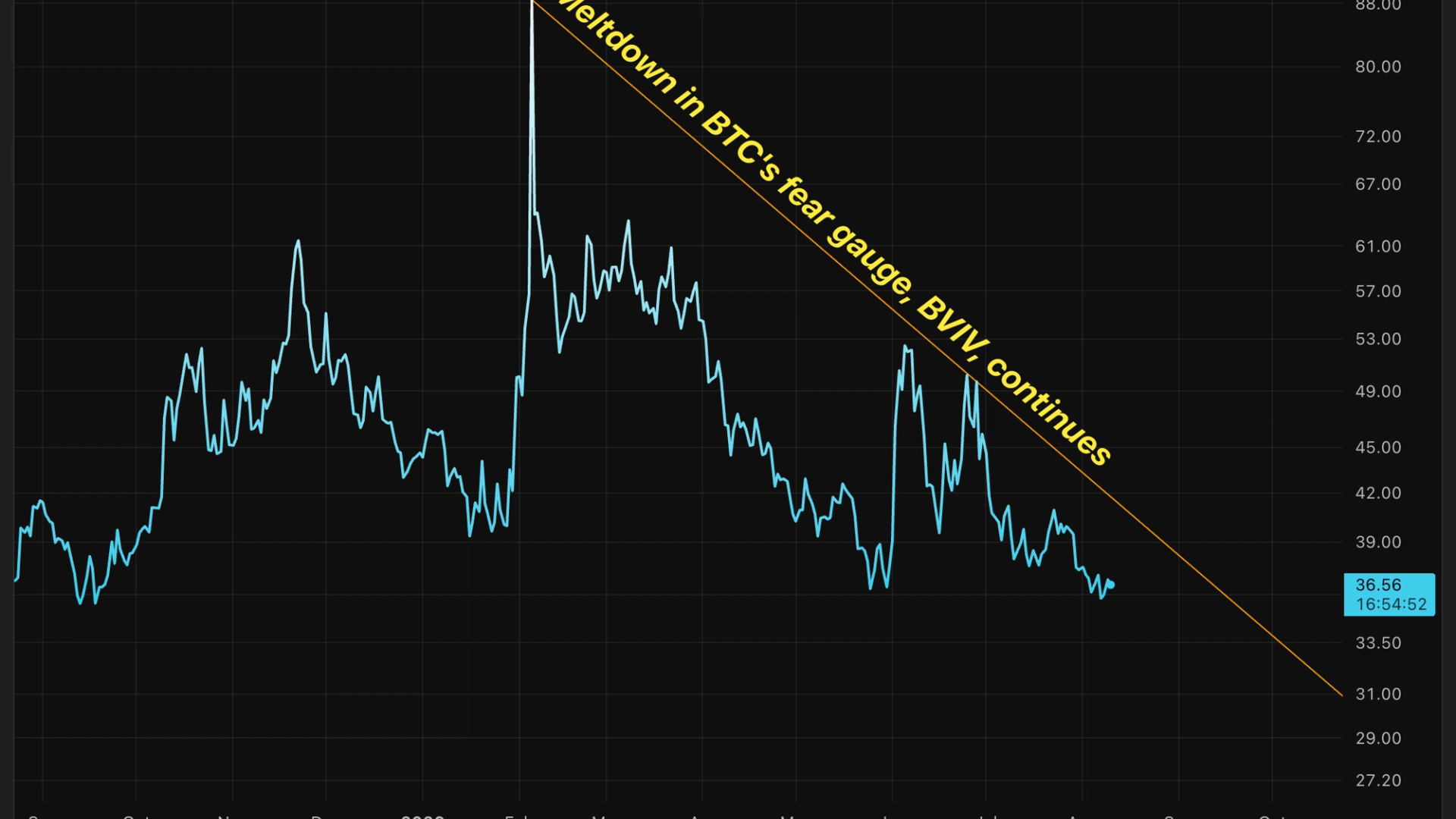
The Bitcoin fear index, known commonly through various derivatives pricing metrics and sentiment gauges, has experienced a sharp contraction even as digital asset markets navigate a complex macroeconomic environment. According to recent market data, spot prices for Bitcoin have stabilized above key psychological thresholds following weeks of downward pressure, prompting a reassessment of risk among institutional desks and derivatives traders.
Market observers note that while spot prices have found a footing, options market positioning reflects nuanced expectations rather than outright euphoria. Analysts tracking open interest and volatility smiles point out that downside protection remains a focal point for institutional portfolios, balancing the relief seen in immediate price action against broader macroeconomic uncertainties.
Understanding these shifts requires a close examination of how professional participants manage exposure in current market conditions. This overview details the mechanics behind recent sentiment shifts, the behavior of options traders, and what regulatory and market milestones lie ahead for participants.
Derivatives Markets and Options Sentiment Shifts
Derivatives data from major exchanges indicates that while severe panic selling has subsided, traders continue to price in strategic hedges against potential market corrections. According to cryptocurrency market reports, the cost of acquiring put options relative to call options has fluctuated, demonstrating that institutional desks are maintaining defensive postures despite the stabilization in spot values.
Traders often utilize options markets to signal directional bets or hedge existing portfolios against sudden liquidity squeezes. The recent behavior across major expiration dates shows concentrated open interest around specific strike prices, suggesting that market participants anticipate a range-bound environment in the near term rather than a volatile breakout.
Macroeconomic Drivers Affecting Digital Asset Volatility
Broader financial conditions continue to dictate cryptocurrency sentiment alongside crypto-specific indicators. Central bank policy decisions, inflation prints, and shifting yields in traditional fixed-income markets directly influence how capital flows into risk assets, including Bitcoin.
Financial analysts emphasize that correlations between digital assets and traditional equity indexes remain a vital metric for risk management desks. When macroeconomic data points suggest tighter monetary conditions, digital asset volatility measures often react swiftly, prompting portfolio rebalancing among corporate treasuries and exchange-traded fund participants.
Institutional Risk Management and Downside Protection
For institutional investors managing substantial digital asset holdings, downside protection is a permanent operational requirement rather than a reaction to temporary market dips. Risk management frameworks rely on multi-layered hedging strategies, including structured products and options overlays, to mitigate adverse price movements.
Market infrastructure providers continue to expand sophisticated risk tools, allowing funds to execute complex hedging strategies with greater capital efficiency. These developments have transformed how institutional players interact with volatility indices, making sentiment contraction a signal for strategic repositioning rather than blind optimism.
Upcoming Market Milestones and Reporting Schedules
Market participants are now turning their attention to upcoming macroeconomic releases and regulatory updates that could influence asset class liquidity. Traders monitor scheduled central bank announcements, employment reports, and options expiration dates as the next critical checkpoints for determining short-term directional trends.
To stay informed on official updates, market participants routinely consult regulatory filings, exchange notices, and macroeconomic data releases published by official statistical agencies.