
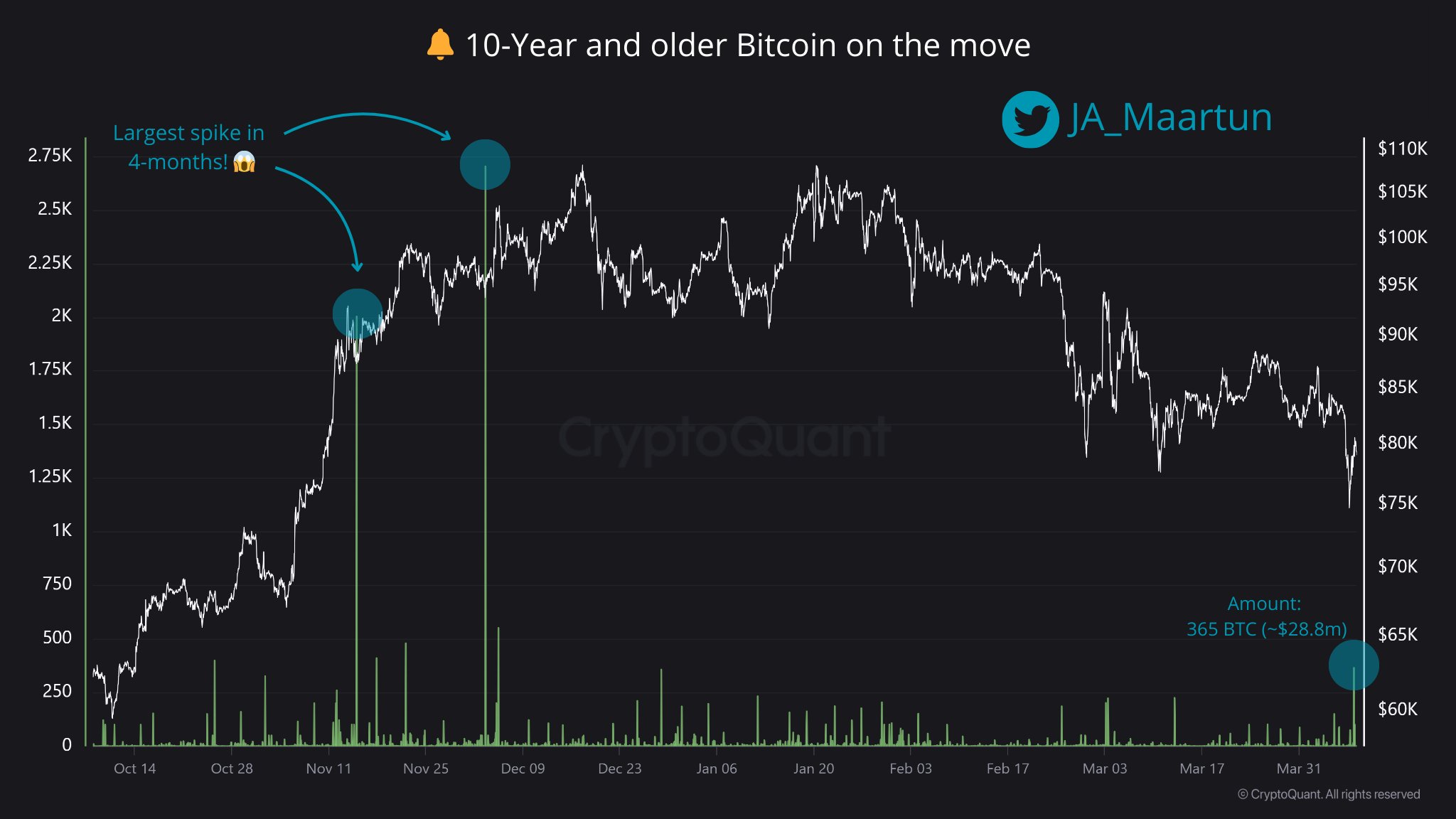
Bitcoin has reclaimed the $74,000 threshold on Tuesday, April 14, 2026, effectively erasing a sharp correction that rattled the cryptocurrency market over the weekend. The recovery comes as investors shake off a period of intense volatility triggered by deteriorating diplomatic relations in the Middle East, marking a swift return of confidence to the digital asset space.
The price rebound follows a tumultuous 48-hour window where geopolitical instability drove a widespread “risk-off” sentiment among global traders. After dipping significantly, the cryptocurrency’s ascent back to $74,000 suggests that the market has largely priced in the immediate fallout from recent diplomatic failures, though analysts remain cautious about long-term stability in the region.
This volatility highlights the increasing sensitivity of high-growth digital assets to traditional geopolitical shocks, particularly those involving key energy-producing regions and major global powers. As the market stabilizes, the focus shifts toward whether this recovery is a sustainable trend or a temporary relief rally amid ongoing international tensions.
The Islamabad Collapse: Diplomacy and Digital Assets
The catalyst for the weekend’s market downturn was the abrupt collapse of high-stakes negotiations between the United States and Iran. The two nations had convened in Islamabad, Pakistan, in an attempt to reach a formal agreement following a period of truce. However, the diplomatic effort ended without a final accord.
The failure was confirmed by U.S. Vice President JD Vance, who announced during a press conference that despite 21 hours of intensive discussions, the negotiations had broken down. This announcement triggered an immediate reaction in the financial markets, as the prospect of renewed conflict in the Middle East heightened global risk perceptions.
Iranian officials provided a more nuanced view of the breakdown. Esmaeil Baghaei, a spokesperson for the Iranian Foreign Ministry, noted that while agreement was reached on some issues, “two or three core issues” remained unresolved, preventing a final deal. Baghaei further cautioned that a single round of negotiations was unlikely to resolve all outstanding disputes, though the market reacted to the immediate lack of a breakthrough.
Market Contagion: The Ripple Effect on Crypto
The immediate aftermath of Vice President Vance’s announcement saw a sharp decline across the cryptocurrency spectrum. Bitcoin, often viewed as a barometer for risk appetite in the tech and digital asset sectors, experienced a rapid sell-off. On April 12, Bitcoin prices fell 1.94% to trade at $71,671.
The decline was not limited to the primary cryptocurrency. Other major assets saw similar losses as investors fled to safer havens:
- Ethereum: Dropped 2.98% to trade at $2,217.
- Ripple (XRP): Declined 1.92% to trade at $1.32.
This synchronized drop reflected a broader trend of risk aversion. In some markets, the volatility was even more pronounced; reports indicated Bitcoin falling to approximately 107.05 million KRW as the “risk-off” sentiment spread through Asian trading hubs.
Analyzing the Recovery to $74,000
The recovery to $74,000 by April 14 indicates a decoupling of Bitcoin’s price from the immediate panic surrounding the US-Iran talks. This bounce-back suggests that institutional buyers may have viewed the geopolitical dip as a buying opportunity, betting on the long-term resilience of the asset despite short-term diplomatic friction.
However, the broader economic backdrop remains complex. While Bitcoin has recovered, other indicators suggest continued uncertainty. Wall Street experts have warned that if Middle East negotiations continue to fail, a “reversal” in stock prices and oil prices could occur, potentially introducing new volatility into the markets.
The interplay between energy security and market stability is particularly evident in current government strategies. For instance, South Korean industrial officials have indicated that while 80% of crude oil needs have been secured, strategic reserves will likely not be released before May, suggesting a cautious approach to potential supply chain disruptions caused by Middle East tensions.
Key Market Shifts: April 12 vs. April 14
| Date | Bitcoin Price (Approx.) | Primary Driver | Market Sentiment |
|---|---|---|---|
| April 12, 2026 | $71,671 | US-Iran Negotiation Failure | Risk-Off / Panic |
| April 14, 2026 | $74,000 | Market Correction Recovery | Stabilizing / Recovery |
What This Means for Global Investors
For the global investor, the weekend’s events serve as a reminder that digital assets are not immune to traditional geopolitical triggers. The speed with which Bitcoin dropped upon the news from Islamabad—and the speed with which it recovered—demonstrates the high liquidity and volatility inherent in the current crypto ecosystem.
The “risk-off” phenomenon occurs when investors move their capital from high-risk assets (like cryptocurrencies and growth stocks) into low-risk assets (like gold or government bonds) during times of uncertainty. The fact that Bitcoin reclaimed $74,000 suggests that the “fear” phase of the US-Iran breakdown was short-lived, but the underlying geopolitical tension remains a critical variable for any portfolio strategy.
Investors should monitor the following factors in the coming weeks:
- Diplomatic Channels: Any renewed talks between Washington and Tehran could provide further bullish momentum.
- Energy Markets: Fluctuations in oil prices often correlate with Middle East stability and can indirectly influence broader market sentiment.
- Institutional Inflows: Whether the recovery to $74,000 is supported by new institutional capital or merely short-term speculative trading.
As the market moves forward, the focus will remain on the stability of the Middle East and the potential for further diplomatic breakthroughs or breakdowns that could once again shift the risk appetite of global traders.
The next critical point of observation will be the progression of energy reserve management into May and any further official statements regarding the stalled US-Iran diplomatic process.
Do you believe Bitcoin is becoming more resilient to geopolitical shocks, or is this recovery merely a temporary pause? Share your thoughts in the comments below or share this analysis with your network.