Bitcoin faces significant structural hurdles before it can realistically aim for a $1 million valuation, according to recent analysis from Morgan Stanley. While market speculation regarding long-term price targets remains high, institutional analysts point to a lack of clear, new catalysts capable of driving such an exponential increase in the asset’s current valuation. The digital currency, which has historically been defined by high volatility and cyclical growth, must overcome specific macroeconomic and regulatory barriers to sustain a trajectory toward seven-figure pricing.
The prospect of Bitcoin reaching a $1 million price point has long been a subject of debate among retail investors and institutional analysts. However, in a recent assessment, Morgan Stanley strategists emphasized that the current market environment lacks the necessary momentum to justify such a valuation shift. According to the Morgan Stanley institutional research portal, the primary drivers for previous bull runs—namely widespread retail adoption and initial institutional entry—have already been largely priced into the market. Analysts noted that for Bitcoin to reach new record highs, the asset would require a fundamental shift in its utility or a significant change in global monetary policy that favors decentralized digital reserves.
The Challenge of Market Catalysts
A primary concern for market observers is the absence of a “catalyst” large enough to move the needle on a global scale. In financial markets, a catalyst is defined as an event or series of events that triggers a significant change in the price of an asset. For Bitcoin, previous catalysts included the introduction of regulated futures contracts, the development of spot Exchange Traded Funds (ETFs), and corporate balance sheet adoption, as reported by Reuters.
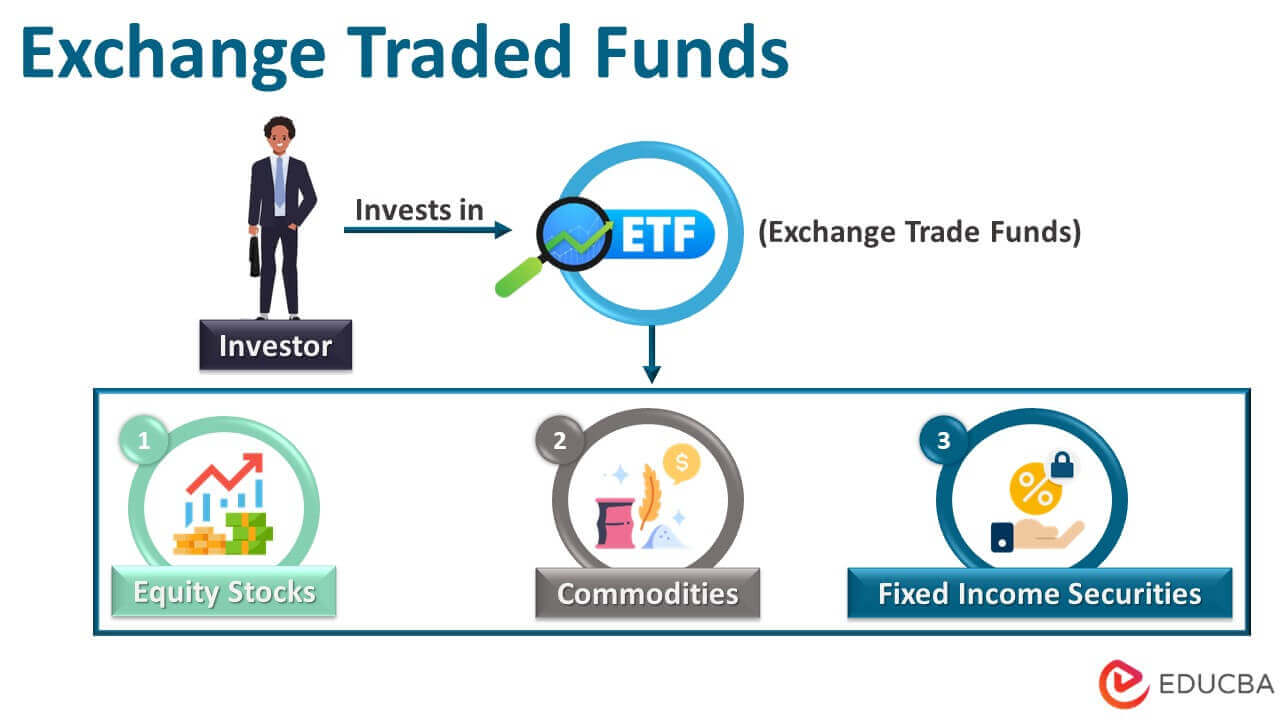
Current market conditions reflect a cooling phase where the initial excitement surrounding the approval of spot Bitcoin ETFs has stabilized. Without a new, comparable development—such as broad sovereign state adoption or a total integration into traditional banking infrastructure—analysts argue that the path to $1 million remains speculative rather than grounded in current supply-demand metrics. The International Monetary Fund has previously highlighted that the lack of clear regulatory frameworks in major jurisdictions continues to impede the institutional liquidity required for such extreme price movements.
Macroeconomic Factors and Global Liquidity
Bitcoin’s performance is increasingly tethered to broader macroeconomic trends, particularly interest rate policies set by the U.S. Federal Reserve. When interest rates are low and liquidity is high, risk-on assets like Bitcoin typically perform well. Conversely, a “higher for longer” interest rate environment, as described in recent Federal Open Market Committee (FOMC) meeting minutes, tends to draw capital away from speculative assets and toward more stable, yield-bearing instruments.

The correlation between Bitcoin and traditional equity markets, such as the S&P 500, has fluctuated, but the asset remains sensitive to shifts in the U.S. Dollar Index (DXY). For the price of Bitcoin to reach the $1 million threshold, it would require a fundamental decoupling from its current status as a risk-sensitive asset. Until Bitcoin is widely recognized as a “safe-haven” asset similar to gold—a status it has yet to achieve among institutional risk managers—it remains vulnerable to the same liquidity contractions that affect the wider tech sector.
Institutional Perspectives vs. Retail Sentiment
There is a notable divergence between retail sentiment and institutional caution. While social media platforms often amplify bullish predictions, institutional firms like Morgan Stanley maintain a focus on risk-adjusted returns. Institutional investors typically require clear, long-term regulatory certainty before allocating significant capital to digital assets, according to data from Bloomberg. This cautious approach acts as a stabilizer, preventing the kind of parabolic growth that would be necessary to reach a $1 million valuation in the near term.
Furthermore, the inherent design of Bitcoin—specifically the four-year “halving” cycle—creates supply constraints that historically lead to price appreciation. However, analysts point out that as the block reward for miners decreases, the network must rely more heavily on transaction fees to maintain security. Whether the network can sustain itself at a $1 million valuation level without requiring prohibitive transaction costs remains an open question for economists and developers alike.
Future Outlook and Monitoring Progress
The trajectory of Bitcoin will likely be determined by upcoming regulatory filings and the broader adoption of blockchain technology in global trade. Investors seeking to monitor the health of the crypto market should pay close attention to updates from the U.S. Securities and Exchange Commission (SEC) regarding digital asset classifications, as well as any legislative movement in the European Union following the implementation of the Markets in Crypto-Assets (MiCA) regulation. These frameworks will set the tone for how much institutional capital can flow into the sector in the coming years.

As the market moves toward the next fiscal quarter, stakeholders await further guidance on whether central banks will pivot toward more accommodative monetary policies. Such a move would be a significant indicator for the next potential cycle in digital asset valuations. Readers are encouraged to keep track of official regulatory releases and to exercise caution when evaluating long-term price targets, which are often based on historical patterns that may not repeat in a changing economic landscape.
Keep reading