Berlin, Germany – A growing body of research and lived experiences highlights a deeply rooted distrust of the medical system within the Black community, stemming from historical and ongoing injustices. This skepticism, often born from legitimate concerns about bias and unethical treatment, presents a significant barrier to healthcare access and positive health outcomes. Understanding the origins of this distrust, and actively working to rebuild faith in medical institutions, is crucial for achieving health equity.
The roots of this distrust are not abstract; they are firmly planted in a history of exploitation and abuse. From the 19th-century experiments performed on enslaved people by J. Marion Sims, considered the “father of modern gynecology,” without anesthesia, to the infamous Tuskegee Syphilis Study, where Black men were deliberately left untreated to observe the disease’s progression, the medical establishment has repeatedly violated the trust of the Black community. These aren’t simply historical footnotes; they represent a pattern of systemic disregard for Black lives and well-being. The legacy of these events continues to shape perceptions of healthcare today, influencing decisions about seeking treatment, participating in clinical trials, and even disclosing medical information.
The Lasting Impact of Historical Trauma
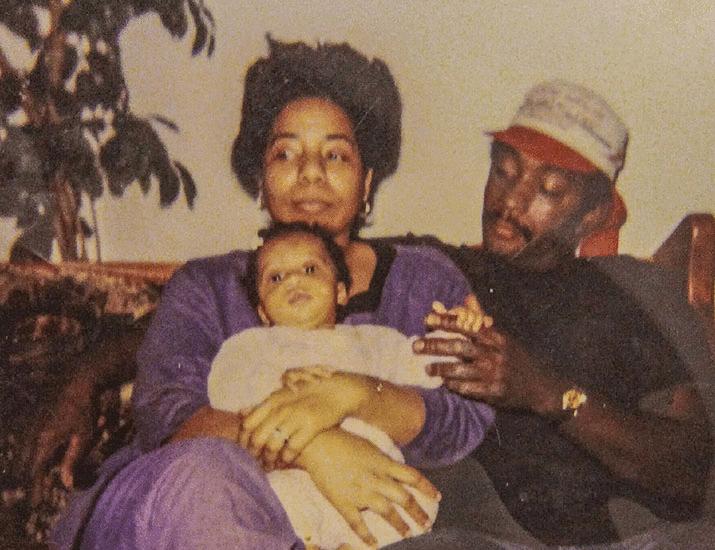
The trauma inflicted by these past abuses isn’t merely individual; it’s collective and intergenerational. Research indicates that historical trauma can manifest as increased anxiety, depression, and chronic health conditions within communities that have experienced systemic oppression. This trauma can also lead to a reluctance to engage with healthcare providers, fearing similar mistreatment or a lack of cultural sensitivity. A 2026 study published in Science, authored by Jasmine Gabriel Hughes, delves into the complexities of addressing this distrust within a family context, emphasizing the importance of acknowledging past harms and building genuine relationships based on transparency and respect. The study, available through PubMed, underscores that simply providing access to care isn’t enough; addressing the underlying reasons for distrust is paramount.
The distrust isn’t limited to specific historical events. Contemporary issues, such as racial bias in pain management – where studies have shown Black patients are often undertreated for pain compared to their white counterparts – and disparities in access to quality healthcare, further exacerbate the problem. These ongoing inequities reinforce the perception that the medical system is not designed to serve the needs of the Black community equitably. Implicit bias among healthcare professionals can lead to misdiagnosis, inadequate treatment, and a general feeling of being unheard or dismissed.
Addressing Bias in Healthcare
Combating implicit bias within the healthcare system requires multifaceted approaches. Mandatory cultural competency training for healthcare professionals is a crucial first step, but it must go beyond superficial awareness and delve into the systemic factors that contribute to disparities. Training should focus on understanding the historical context of medical racism, recognizing the impact of implicit bias on clinical decision-making, and developing strategies for providing culturally sensitive care.
Increasing diversity within the healthcare workforce is also essential. Having more Black doctors, nurses, and other healthcare professionals can help build trust and improve communication with patients. Patients are often more comfortable discussing their concerns with providers who share their cultural background and understand their lived experiences. Mentorship programs and scholarships aimed at supporting Black students pursuing careers in healthcare can help address the underrepresentation of Black professionals in the field.
Building Bridges: Strategies for Rebuilding Trust
Rebuilding trust requires a concerted effort from healthcare institutions, providers, and community organizations. Transparency is key. Hospitals and clinics should be open about their efforts to address racial disparities and actively solicit feedback from the communities they serve. Establishing community advisory boards, comprised of local residents, can provide valuable insights and ensure that healthcare services are responsive to the needs of the population.
Patient-centered care, which prioritizes the individual needs and preferences of each patient, is also crucial. This involves actively listening to patients’ concerns, respecting their autonomy, and involving them in shared decision-making. Healthcare providers should take the time to explain medical procedures and treatments in a clear and understandable manner, avoiding jargon and technical terms.
Community-based participatory research (CBPR) offers a promising approach to addressing health disparities. CBPR involves partnering with community members throughout the research process, from identifying research questions to disseminating findings. This collaborative approach ensures that research is relevant to the needs of the community and that findings are translated into actionable strategies for improving health outcomes.
The Role of Technology and Telehealth
Telehealth, while not a panacea, can potentially improve access to care for individuals in underserved communities. Though, it’s important to address the digital divide and ensure that all patients have access to the technology and internet connectivity needed to participate in telehealth appointments. Telehealth providers must be culturally competent and sensitive to the unique needs of diverse populations.
Innovative technologies, such as artificial intelligence (AI), are also being explored for their potential to reduce bias in healthcare. AI algorithms can be trained to identify and mitigate implicit bias in clinical decision-making, but it’s crucial to ensure that these algorithms are developed and validated using diverse datasets to avoid perpetuating existing disparities.
Jasmine Hughes’ Research and Future Directions
The work of researchers like Jasmine Hughes at the University of Cambridge is vital in understanding the nuances of this complex issue. Her research, published in February 2026, highlights the importance of family-centered approaches to addressing medical distrust. Hughes’ work suggests that interventions should not only focus on individual patients but also on their families, recognizing that trust is often built and maintained within the context of familial relationships.
Looking ahead, continued research is needed to identify effective strategies for rebuilding trust in the medical system. This research should focus on understanding the specific factors that contribute to distrust in different communities, evaluating the impact of interventions aimed at addressing bias and improving cultural competency, and developing innovative approaches to engaging with underserved populations.
Addressing the distrust of medicine within the Black community is not simply a matter of improving healthcare access; it’s a matter of social justice and equity. It requires a fundamental shift in the way healthcare is delivered, prioritizing the needs and experiences of all patients, and acknowledging the historical and ongoing harms that have contributed to this distrust.
The next step in addressing this issue will be the upcoming National Institute on Minority Health and Health Disparities (NIMHD) conference on health equity, scheduled for October 2026, where researchers and community leaders will convene to discuss strategies for advancing health equity and addressing the root causes of health disparities.
This is a conversation that demands ongoing attention and a commitment to meaningful change. Share your thoughts and experiences in the comments below, and let’s work together to build a more just and equitable healthcare system for all.