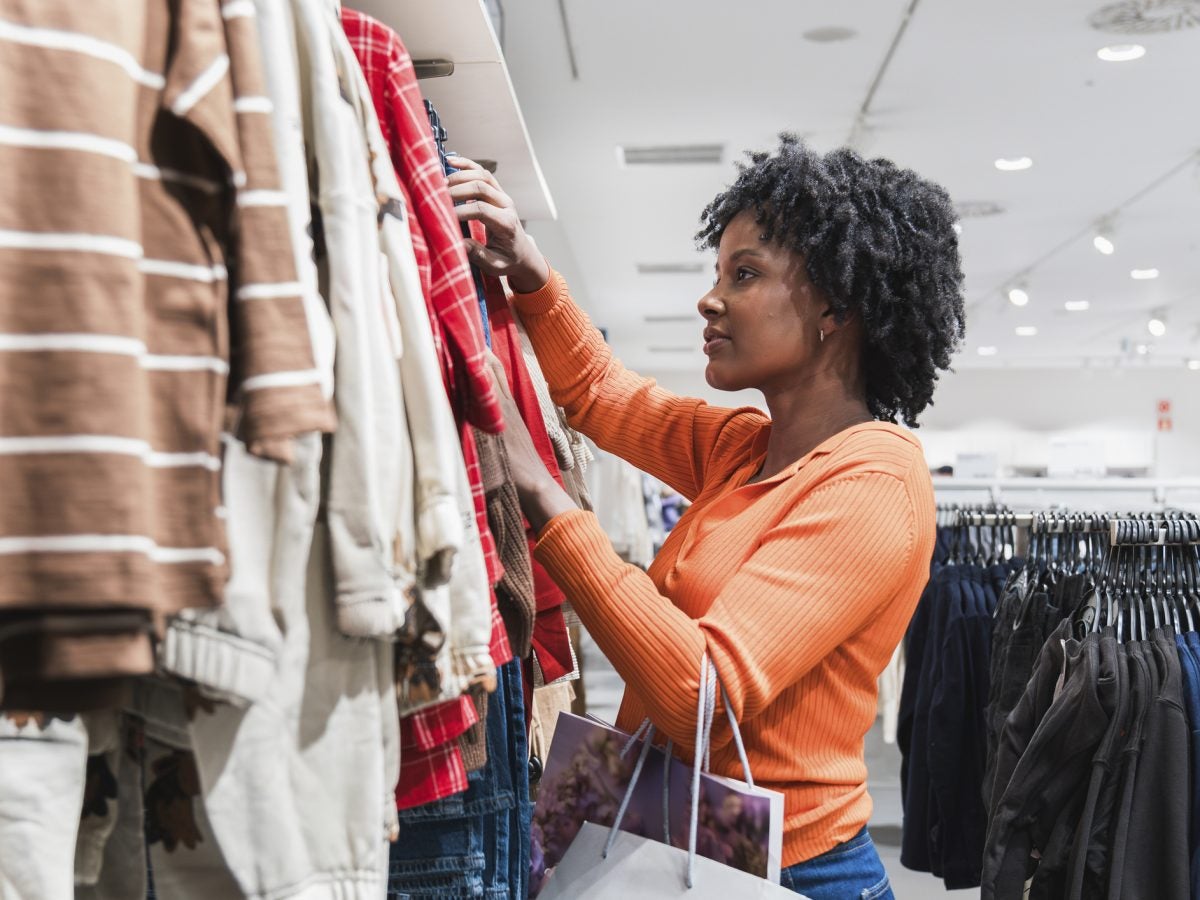
Black Friday 2025: A Surge in Spending Reveals a Deeper Economic Reality
Black Friday 2025 presented a fascinating paradox. Weeks of fervent calls for economic boycotts, particularly within the Black community facing rising costs, were seemingly overshadowed by a record-breaking $11.8 billion spent online – a 9.1% jump from the previous year (according to Adobe Analytics). This isn’t a contradiction, but a revealing symptom of a shifting economic landscape.
The initial push for financial restraint, focusing support on Black and POC-owned businesses and small enterprises, was a powerful statement. However, the reality is that when the cost of living becomes exorbitant, consumer behavior doesn’t cease; it evolves. people become intensely strategic, prioritizing affordability without necessarily abandoning shopping altogether.
Black Friday’s performance isn’t simply about snagging deals; it’s a stark recession indicator. As household budgets are squeezed by escalating prices for essentials like groceries and gas, thes sales events become crucial opportunities to stock up on necessities and indulge in carefully considered splurges. It’s survival shopping, coupled with a much-needed dose of retail therapy.
Retailers understood this desperation, deploying aggressive markdowns across electronics, toys, furniture, and appliances. Over half of these transactions occurred on mobile devices,demonstrating the convenience of bargain hunting from anywhere. The 8.9% increase in “buy now, pay later” usage (as reported by the NY Post) further underscores the strain on finances and the willingness to leverage future income for present needs.
Even artificial intelligence played a role, with traffic from generative AI shopping tools surging over 800%. Consumers are utilizing every available resource to secure the best possible prices, highlighting the intensity of the deal-seeking behavior.
For Black shoppers, the internal conflict was particularly noticeable. The same community advocating for collective economic power actively participated in Black Friday, sharing their successes. This isn’t hypocrisy, but a reflection of economic realities. With inflation remaining stubbornly above the Federal Reserve‘s 2% target and hiring slowing, seizing available discounts becomes a pragmatic necessity.
Looking ahead, Cyber Monday is projected to exceed black Friday’s sales, reaching an estimated $14.2 billion. This continued momentum suggests that the spending surge will persist throughout the holiday season.Despite ongoing boycott discussions, the current economic pressures are likely to drive continued consumer activity.
This Black Friday wasn’t just about discounts; it was a powerful signal about the state of the American economy and the evolving strategies consumers are employing to navigate it. It’s a reminder that economic activism and individual financial needs often exist in complex tension, particularly during times of uncertainty.
Sources:
* https://business.adobe.com/resources/holiday-shopping-report.html
Related reading
- Spain Defends Schengen After Italy Border Closures Amid Migrant Crisis
- Best Used Motorcycles to Buy in 2026: Durable, Fuel-Efficient, and Value-Stable Models
- Dow Hits Record High as US-Iran Tensions Ease and Amazon Tops $3 Trillion (time.news)
- Paris Court Rules on Economic Substance in Intra-Group Royalties (newsdirectory3.com)