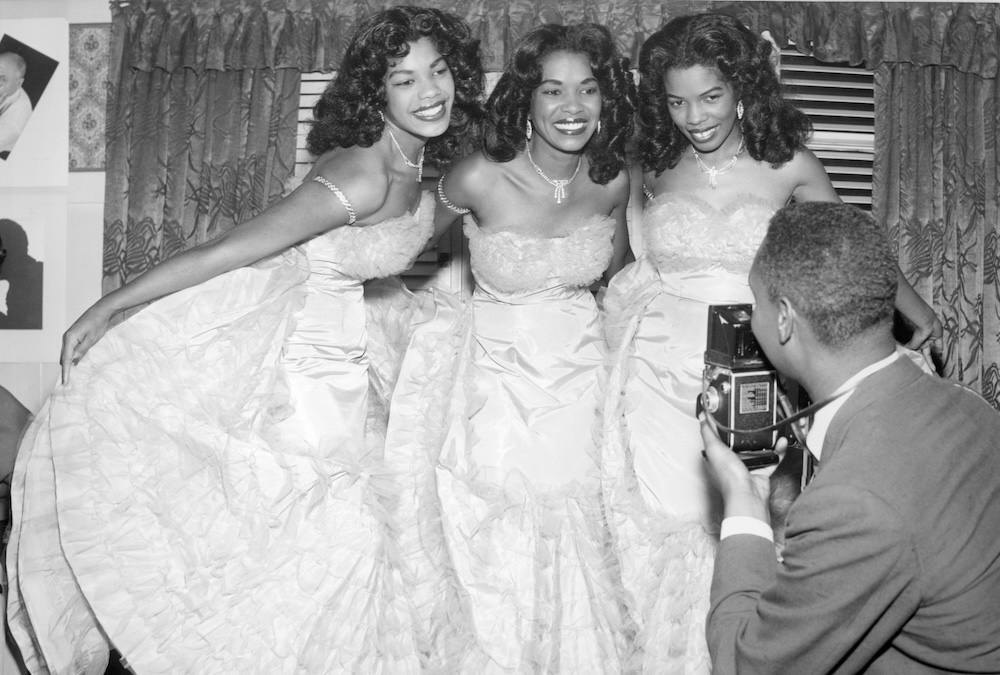
Witnessing History: The Power of “Black Photojournalism” at the Carnegie Museum of Art
The Carnegie Museum of Art in Pittsburgh is currently hosting a profoundly moving exhibition: Black Photojournalism. More than just a display of images, it’s an immersive experience designed to connect you with pivotal moments and untold stories of the Black experience. This isn’t simply looking at history; it’s about feeling it,touching it,and understanding its enduring relevance.
A Legacy Uncovered
Curator Talia Leers emphasizes the importance of rediscovering these powerful images. She recalls the thrill of unearthing forgotten negatives and prints. “We were just sitting there,” she exclaimed, “Those discoveries were some of our best.” These weren’t just photographs; they were windows into lives, struggles, and triumphs frequently enough overlooked.
The exhibition isn’t just about showing these images, but about creating a dialog with them. It’s a testament to the dedication of the photographers who documented Black life, often in the face of adversity.
Immersive Beings
Black Photojournalism breaks the traditional museum mold. It invites you to actively engage with the material. You’ll find:
* Microfiche machines: Allowing you to delve into archives and explore original sources.
* Film screenings: Providing context and deeper narratives.
* Tactile Exploration: Six oversized fabric books, crafted by artist Liz Johnson artur, encourage you to touch and feel history. These books, bound with decorative string, symbolically represent the interwoven narratives of the Black community.
This tactile element is particularly impactful.For Dr. Ella Foggie-Barnett, whose family photo is featured within the fabric books, the experience was deeply emotional. “Archival photography is imperative to preserving and documenting cultural heritage, narratives, and traditions that could potentially be erased,” she stressed. It’s a powerful reminder of the importance of safeguarding these stories.
The exhibition also includes a special newspaper designed by Kwame Omari of Black Mass Publishing. Visitors are invited to read within a space designed by David Hartt, and even take a piece of the exhibit home – a tangible connection to the stories within.
History, Reframed
Walking through the galleries, one image particularly resonated: a wall-sized photograph of soldiers and women celebrating Victory Day after World War II. It’s a striking reminder that even when facing systemic discrimination, Black Americans proudly served their country and contributed to its victories.
This image, and countless others within the exhibition, challenge conventional narratives. They redefine how Black life is seen, understood, and remembered. it’s a powerful counter-narrative to attempts to erase or distort our history.
Dr. Foggie-Barnett eloquently captures the exhibition’s core message: “I hope people receive the information as the truth and that it resonates in their minds and hearts and replaces any false or warped thinking that they may have had.”
She continues, ”We have to anchor ourselves and our history in what these photographers did, with proof of the manny missed moments in the middle. That’s our legacy.”
Black Photojournalism isn’t just an exhibition; it’s a vital act of preservation, remembrance, and empowerment. It’s a call to acknowledge the full complexity of the Black experience and to honour the photographers who dedicated their lives to documenting it.
Don’t miss Black Photojournalism at the Carnegie Museum of Art, on display through January 19, 2026. https://carnegieart.org/exhibition/black-photojournalism/
Keep reading