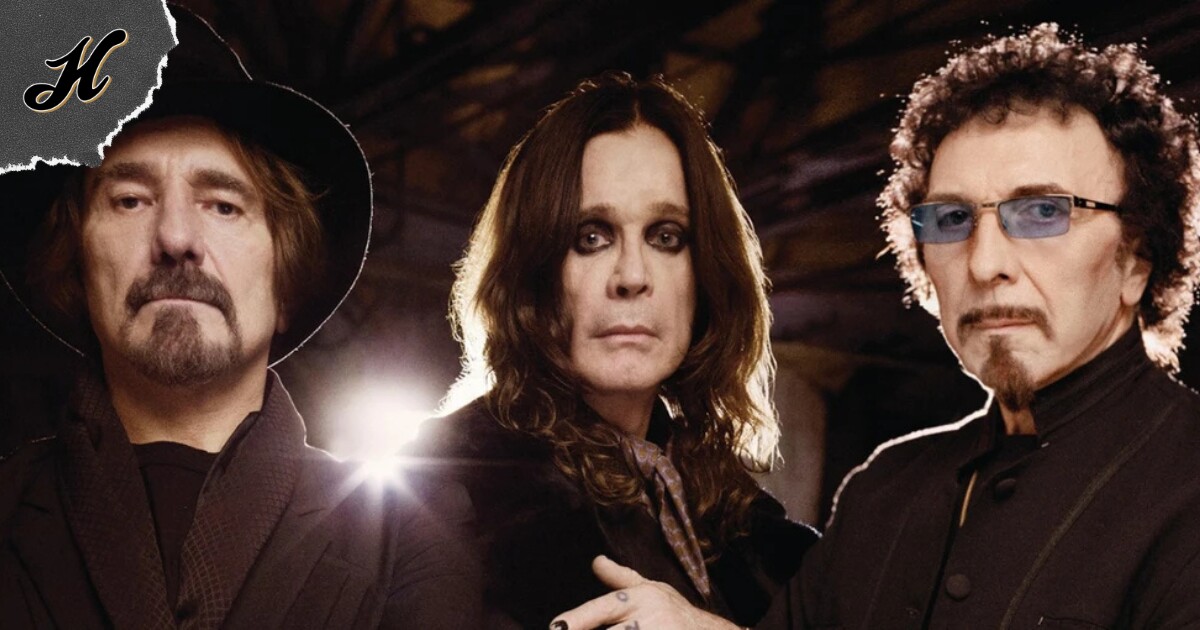
Fifty-five years ago, the release of Black Sabbath’s self-titled debut album on February 13, 1970, marked a definitive shift in the trajectory of popular music. Recorded in a single day at Regent Sound Studios in London, the project is widely cited by music historians as the foundational blueprint for heavy metal. By blending blues-based structures with a darker, more ominous aesthetic, the quartet from Birmingham—vocalist Ozzy Osbourne, guitarist Tony Iommi, bassist Geezer Butler, and drummer Bill Ward—introduced a sonic density that stood in stark contrast to the psychedelic and folk-rock movements of the era.
The album’s influence remains a subject of academic study within musicology, particularly regarding its departure from traditional melodic expectations. According to the Rock & Roll Hall of Fame, which inducted the band in 2006, the record’s opening title track introduced the “tritone”—an interval often referred to as the diabolus in musica—which became a staple of the heavy metal genre. This stylistic choice, driven by Iommi’s distinctive, detuned guitar work, provided a template for subsequent generations of musicians.
The Origins of the Birmingham Sound
The formation of Black Sabbath was rooted in the industrial environment of Birmingham, England. Before adopting the name Black Sabbath, the group performed under the moniker Earth. The transition to their iconic identity reflected a shift toward themes of occultism, social alienation, and the darker realities of working-class life. This thematic pivot was captured in the lyrics of Geezer Butler, which moved away from the romanticism typical of late-1960s pop music.
The recording process for the debut album was notably efficient. As documented by Rolling Stone, the band recorded the majority of the material in approximately 12 hours. The production, handled by Rodger Bain, focused on capturing the raw, live energy of the band’s stage performance rather than utilizing the complex studio layering common to the progressive rock bands of that time.
Cultural Impact and Musical Legacy
Upon its release in the United Kingdom, the album faced a polarized critical reception. While many contemporary reviewers were dismissive of the band’s aggressive approach, the album achieved commercial success, reaching number eight on the UK Albums Chart. Over the ensuing decades, the record’s reputation underwent a significant reassessment, eventually being recognized as one of the most influential works in the history of rock music.
The band’s ability to “surpass” the conventional limitations of rock music is often attributed to their refusal to conform to radio-friendly formats. The inclusion of tracks like “The Wizard,” “N.I.B.,” and the heavy, doom-laden “Black Sabbath” established a framework for what would eventually be categorized as heavy metal and doom metal. This legacy is preserved by the Recording Academy, which honored the group with a Lifetime Achievement Award in 2019.
Enduring Influence on Modern Rock
The structural innovations introduced by the album continue to manifest in modern heavy music. The use of low-frequency instrumentation and the exploration of dark, melancholic lyrical themes provided a vocabulary for later bands, ranging from Iron Maiden to Metallica. According to the Encyclopaedia Britannica, the band’s work serves as the primary bridge between the blues-rock of the 1960s and the extreme music subgenres that emerged in the 1980s and 1990s.
For listeners and collectors, the 55th anniversary serves as a reminder of the record’s longevity. The album remains a cornerstone of the heavy metal canon, frequently appearing on “greatest of all time” lists compiled by major music publications. As the band concluded their final tour, The End, in 2017, their initial 1970 recordings remain the benchmark for the genre they helped define.
The band has not announced any further reunion activities, and the legacy of the original lineup remains centered on their foundational studio work. For those interested in the history of the genre, the Birmingham City Council continues to maintain public tributes to the band, acknowledging their role as cultural ambassadors for the city. Readers are encouraged to share their thoughts on the album’s impact in the comments section below.
Worth a look