The Evolving Faith of Black America: Finding Spirituality Beyond the Pews
For generations, faith has been a cornerstone of Black American life. Rooted in the traditions of the Black Church, spirituality has provided solace, strength, and a sense of community in the face of adversity. However, the way faith is expressed and experienced is undergoing a significant transformation, notably among younger generations. While a remarkable 97% of Black Americans continue to believe in God or a higher power, according to Pew Research, the rigid structures of traditional religion are giving way to more fluid, personalized, and accessible expressions of spirituality.
This shift isn’t a rejection of faith, but rather an evolution – a search for meaning and transcendence that resonates with contemporary experiences.The traditional confines of denominational boundaries are dissolving, replaced by a broader embrace of diverse spiritual paths. This new landscape allows for a more intimate and individual relationship with the divine, moving away from performative religious practices towards genuine personal connection.
this evolution is powerfully reflected in a surge of faith-based content in popular culture. Films are leading the charge, offering nuanced portrayals of faith, struggle, and redemption within the Black experience. Moses the Black, an upcoming film produced by Curtis “50 Cent” Jackson, reimagines the story of Saint Moses, an Ethiopian herder who found redemption through faith, framing it within a modern, street-informed narrative. Starring Omar Epps, Wiz Khalifa, Quavo, and Chukwudi Iwuji, the film highlights discipline and salvation, demonstrating faith’s presence in unexpected places.
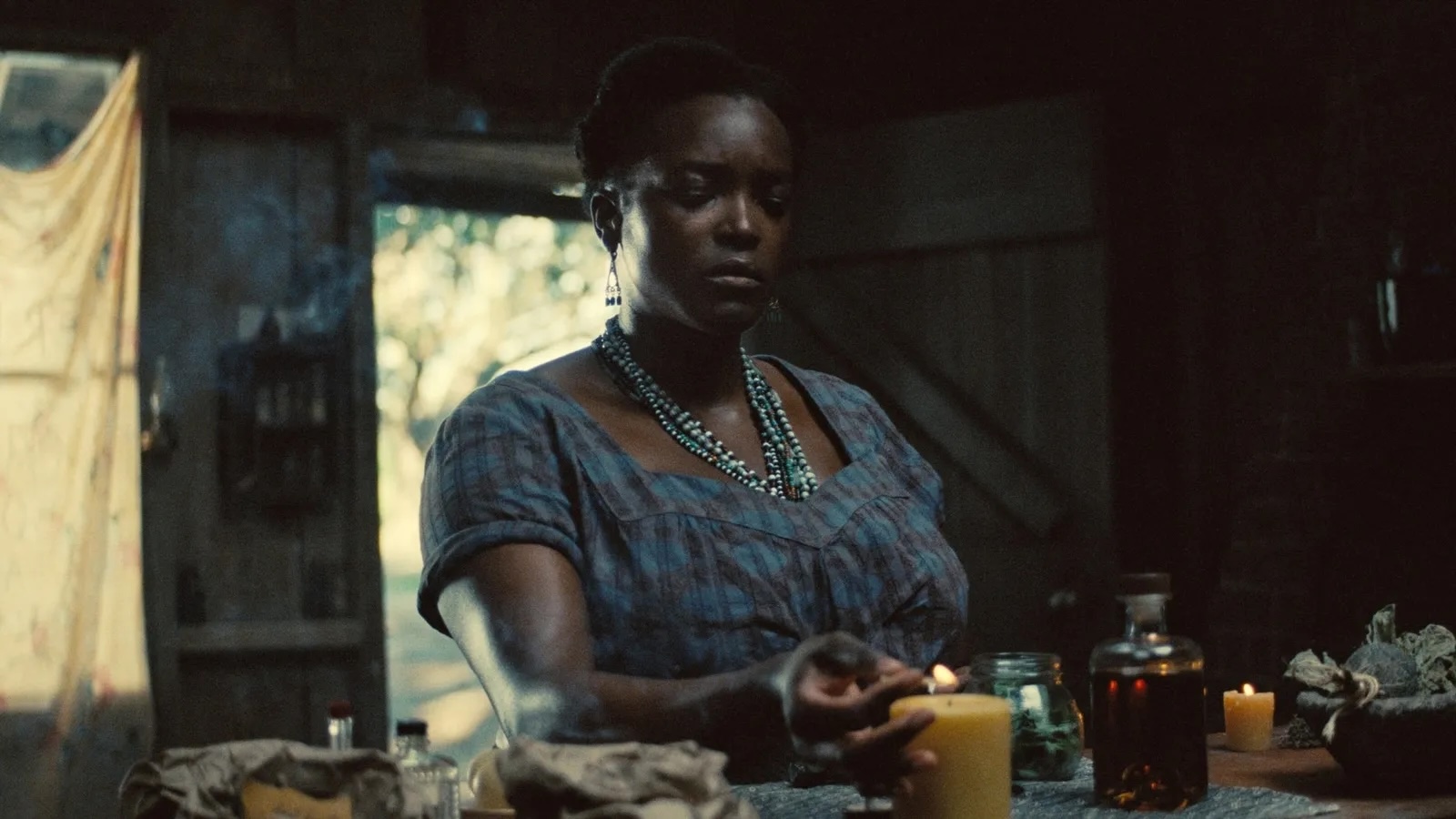
This trend extends beyond Moses the Black. Ryan Coogler’s critically acclaimed Sinners sparked significant conversations about the complex history of religion and its impact on Black communities, particularly the survival of spiritual traditions like Hoodoo alongside Christian practices. Lee Daniels’ The Deliverance resonated with many by portraying a family turning to faith during times of crisis, while Ruth and Boaz offered a contemporary exploration of devotion and commitment through a biblical lens.
These films aren’t simply retelling old stories; they are reinterpreting them for a generation seeking authenticity and relevance. They acknowledge the pain, trauma, and complexities of the Black experience, offering faith not as an escape from reality, but as a source of healing, resilience, and hope within it.
For Black Millennials, faith is inextricably linked to memory, healing, and survival. In a world saturated with images of violence and loss, faith provides a vital anchor, a source of strength in the face of constant challenges. It’s a recognition that, in a society that often devalues Black lives, spiritual belief is not a luxury, but a necessity.
The rise of spiritual content creators and the accessibility of faith-based discussions online further contribute to this evolving landscape. Religion is no longer confined to stained glass and wooden pews; it’s thriving in viral reels, podcasts, and digital communities. This accessibility allows individuals to explore their spirituality on their own terms, fostering a sense of agency and empowerment.
Moses the Black arrives in theaters January 30th, representing a powerful moment in this ongoing reinterpretation of faith – a testament to its enduring power and its ability to adapt and thrive in a changing world, offering a refreshing source of hope and wisdom beyond the traditional church hour.
Worth a look