Brands are shifting from one-off sponsorships to giving creators permanent ownership stakes. On July 23, Blenders Eyewear named Jordan Howlett its first Chief Content Officer. This follows a broader corporate trend where companies install executive creator roles to harness organic feed engagement, treating influence as measurable algorithmic capital.
The corporate executive suite is undergoing a fundamental restructuring as brands realize that renting an audience for a single campaign no longer guarantees consumer loyalty. Instead of treating social media personalities as external marketing channels, companies are bringing creators inside to shape brand campaigns and product development directly. This shift has given rise to a brand-new executive designation: the Chief Creator Officer.
Jordan Howlett and Blenders Eyewear Anchor the Executive Shift
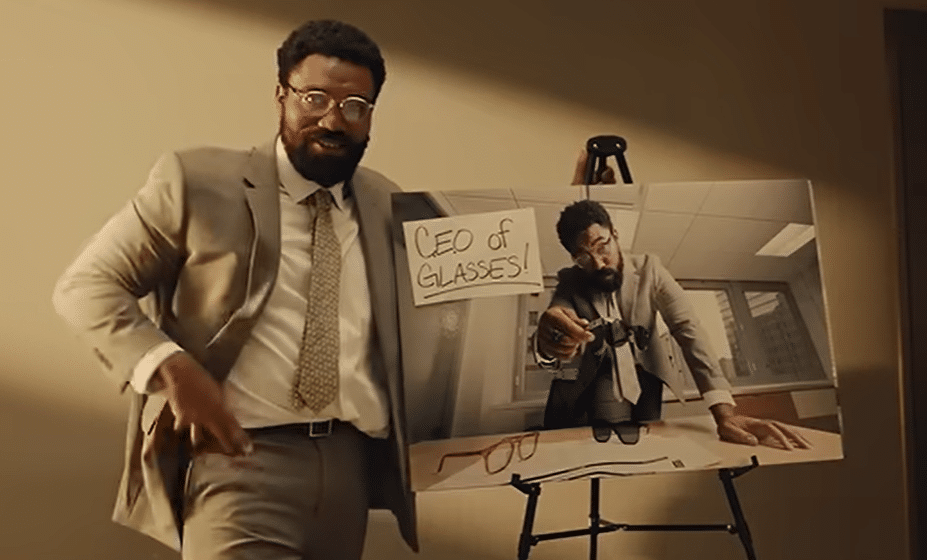
On July 23, Blenders Eyewear named Jordan Howlett its first Chief Content Officer. Howlett, widely known to 50 million followers across social platforms as Jordan the Stallion, stepped into a role designed to shape the brand’s marketing campaigns while maintaining direct input into the products themselves. Explaining the appointment, CEO Jack Gray said that Howlett brings a massive audience that trusts him and a real connection to what we make.
That move arrived just two weeks after a parallel corporate appointment. In July, Edelman created the same job by naming Kenny Gold its Global Chief Creator Officer, elevating the title to an international scale. These executive creations mirror an industry-wide pivot. Whalar established the sector’s first Global Chief Creator Officer role in 2023 for Ashley Rudder, followed by BrandArmy in 2024. Major enterprises including Amazon, Coca-Cola, Red Bull, and Unilever have all listed creator-native jobs, moving influencer strategy out from under secondary departments and into dedicated internal infrastructure.
From Paid Posts to Algorithmic Capital and Angel Investing
The evolution of the creator economy has moved through distinct phases. Reflecting on the timeline, Jaclyn Johnson, founder of Create & Cultivate and cofounder of Cherub, noted that she launched her blog in 2006, noting how much the landscape has transformed since then.
Johnson defines the progression of the industry across three generational eras. The first era of the creator economy was paid posts, relying on sponsorships, ambassador deals, and affiliate codes. Spending on creator partnerships surged 171 percent last year in CreatorIQ’s tracking. The second era was creators launching brands. Today, the economy has entered its third phase.
“The third era — the one we’re in now — is creators saying, ‘Maybe I don’t need to start a brand. Maybe I just want ownership in the upside.'”
This pursuit of equity has positioned creators as angel investors, advisors, and strategic partners on corporate cap tables. Platforms like ShopMy accelerated this trend by turning affiliate marketing into a structured business model. Last summer, creator and entrepreneur Sofia Richie Grainge joined ShopMy as an investor, joining other angel backers like Coco Schiffer and Serena Kerrigan.
Nadya Okamoto and Cherub Bridge the Creator and Startup Worlds
The intersection of venture capital and creator influence reached a milestone on May 21, 2026, when the founder-matching platform Cherub appointed founder, investor, and creator Nadya Okamoto as its Chief Creator Officer. The appointment formalizes a structural link between startup founders seeking efficient distribution and creators seeking long-term equity.
According to startup consultant and strategist Muna Ikedionwu, this integration allows businesses to quantify influence as a concrete form of capital. Social-first influence translates to more efficient distribution, audience trust and real-time first-party customer data, Ikedionwu noted. By taking equity instead of relying solely on short-term campaign fees, creators are building sustainable assets rather than simply renting out their feeds.
Why Algorithmic Feeds Are Driving Corporate Restructuring
The push to bring creators into the C-suite is driven by the stark realities of modern platform economics. Traditional television sold guaranteed reach for money, but social media reach is entirely earned. Platforms like TikTok, Instagram, and YouTube prioritize content that keeps users engaged, favoring organic human interaction over corporate brand accounts whose organic reach has declined for years.
Data from SparkToro indicates that posts without outside links receive roughly ten times the reach of posts containing external links. Similarly, Meta’s reporting shows that 97.3 percent of United States post views on Facebook go to posts with no outside link. Because algorithms reward native engagement, brands struggle to win attention on the feed alone. Creators who command organic attention hold what industry analysts call algorithmic capital—a compound asset built on audience trust and platform favorability.
As Hannah Bronfman, an on-camera personality, angel investor, and author, observed, the traditional approach of waiting for viral moments or ad hoc sponsorships is obsolete. Today’s creators are building strategically, optimizing their platforms, and creating opportunities for themselves, Bronfman stated.
Worth a look