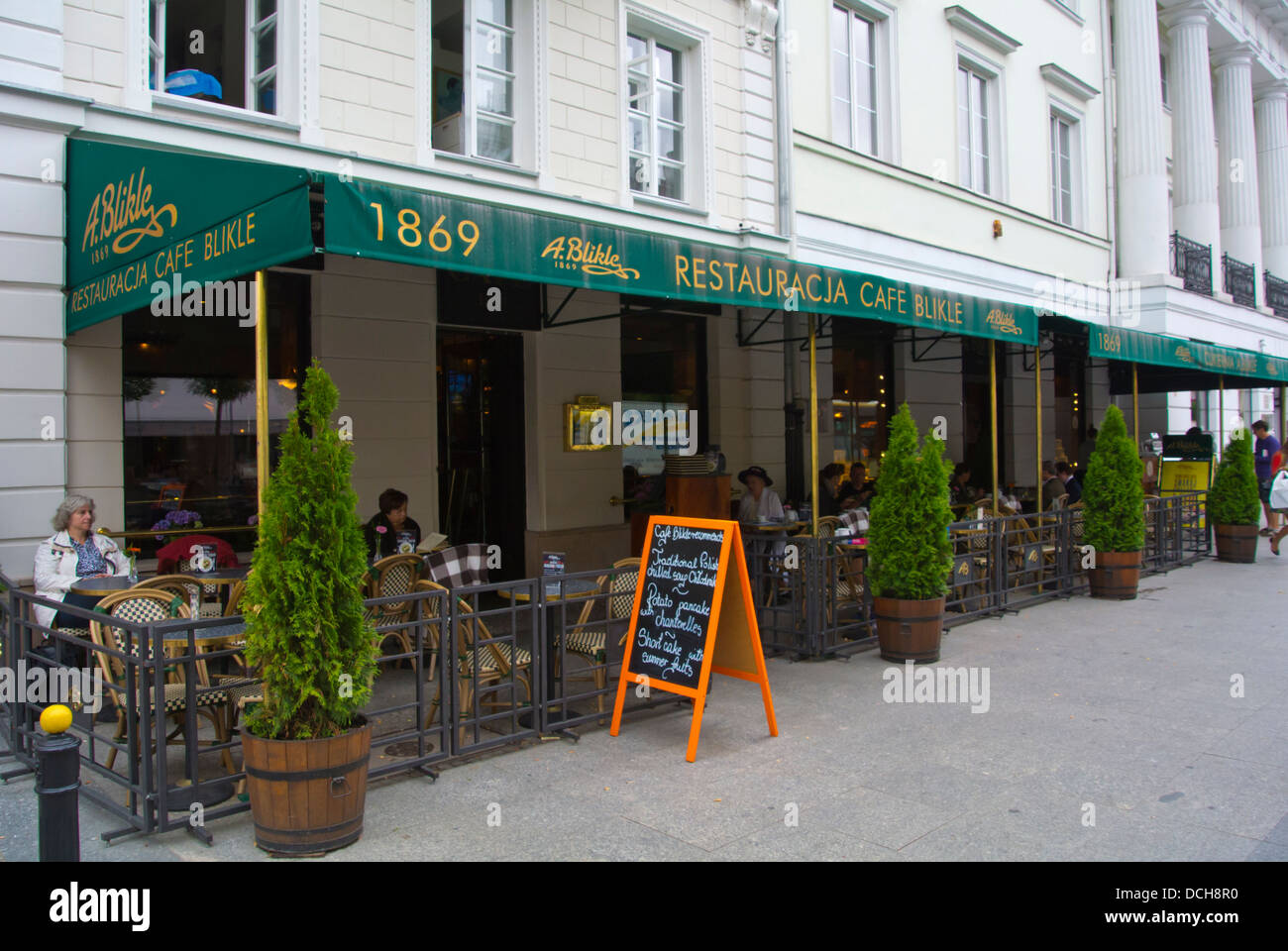
Warsaw’s culinary landscape is facing the potential loss of one of its most enduring landmarks. Kawiarnia Blikle, a legendary establishment that has weathered the turmoil of two world wars, is currently struggling to survive a modern financial crisis. The historic café is reportedly fighting for its existence as it grapples with rising rent costs and a mounting spiral of debt.
Located on the iconic Nowy Świat street, the venue is more than just a bakery; it is a symbol of Polish resilience, and tradition. However, the economic pressures of the current real estate market in the capital are proving to be a more formidable opponent than the geopolitical upheavals of the previous century. The threat of closure looms over a business with a history spanning approximately 150 years.
The crisis highlights a growing tension in urban centers between the preservation of cultural heritage and the commercial demands of municipal property management. For Blikle, the struggle is not merely about operational costs, but about the viability of maintaining a traditional business model in a high-rent district where city-imposed costs are becoming unsustainable.
A Legacy Under Threat: The Financial Struggle of a Warsaw Icon
The core of the current crisis lies in the financial burden placed upon the establishment by the city. According to reports, the combination of increasing rent and a growing debt load has put the legendary café in a precarious position. While the business continues to serve its famous doughnuts and cakes, the underlying financial structure is under severe strain.
Blikle’s presence on Nowy Świat is central to its identity. The establishment is recognized globally for its high-quality confectionery and its role as a social hub in Warsaw. The risk of closure would not only be a loss for the owners but a significant blow to the city’s cultural fabric, removing a piece of living history from the heart of the capital.
The broader context of this struggle reflects a common challenge for legacy businesses in European capitals. As cities modernize and property values soar, traditional establishments often find themselves unable to compete with the profit margins required by modern commercial leases, especially when those properties are managed by municipal entities.
Operational Footprint and Current Presence
Despite the financial instability facing its flagship location, the Blikle brand maintains a wider presence across Warsaw and surrounding areas. The company continues to operate multiple outlets, offering a variety of products including artistic cakes, macarons, and their signature doughnuts. These locations serve as both retail points and spaces for corporate meetings and celebrations.

Current operational sites include:
- Nowy Świat: The historic heart of the business located at ul. Nowy Świat 33, operating daily from 9:00 to 21:00 via official Blikle locations.
- Westfield Arkadia: A mall-based outlet at ul. Jana Pawła II 82, with hours varying between 9:00 and 22:00 depending on the day.
- Sadyba Best Mall: Located at ul. Powsińska 31, serving customers from 8:00 to 21:00 on weekdays and Saturdays.
- Westfield Mokotów: Situated at ul. Wołoska 12, operating until 22:00 on most days.
- Kabaty: Located at Aleja Komisji Edukacji Narodowej 22, open daily from 9:00 to 20:00.
- Plac Wilsona: Located at ul. Zygmunta Krasińskiego 10, with extended weekend hours until 21:00.
- LATONA by Blikle: A specialized location in Konstancin Jeziorna at Aleja Wojska Polskiego 3.
- Rondo Czterdziestolatka: Operating in local unit 18, with early morning hours starting at 6:30 on weekdays.
- Wilanów: Located at ul. Sarmacka 16, operating from 9:00 to 19:00.
- Atrium Promenada: Located at ul. Ostrobramska 75C, open from 10:00 to 21:00.
- Saska: Located at ul. Zwycięzców 25, operating daily from 8:00 to 20:00.
The Economic Implications of Heritage Preservation
The situation at Kawiarnia Blikle raises critical questions about how cities value “cultural capital” versus “rental income.” From an economic perspective, a landmark like Blikle provides an intangible value to a city—attracting tourists and maintaining a sense of place—that is not easily captured in a standard lease agreement. When a city imposes market-rate or increasing rents on such institutions, it risks erasing the very characteristics that make the district attractive to visitors and residents alike.
For a business that has survived the destruction of the Second World War and the economic shifts of the communist era, the current challenge is purely fiscal. The “spiral of debt” mentioned in reports suggests that the business may be borrowing to cover operational gaps created by the rent, leading to a cycle that is difficult to break without external intervention or a restructuring of the lease terms.
This case serves as a cautionary tale for other historic businesses worldwide. The transition from a family-run tradition to a modern commercial entity often involves a clash between the slow pace of artisanal production and the rapid pace of urban real estate appreciation.
Key Takeaways on the Blikle Crisis
- Historical Significance: The café has a history of approximately 150 years and survived two world wars.
- Primary Threat: Rising rent imposed by the city and an accumulating debt spiral.
- Location: The most vulnerable site is the flagship location on Nowy Świat in Warsaw.
- Brand Reach: Despite the crisis at the main site, the brand operates numerous other locations across Warsaw, including malls and residential districts.
As of the latest available information, the future of the Nowy Świat location remains uncertain. There has been no official announcement regarding a city-led bailout or a formal lease renegotiation that would guarantee the café’s survival. The community and patrons of the café continue to watch closely as one of Warsaw’s most recognizable symbols fights to remain open.

We invite our readers to share their thoughts on the balance between urban development and heritage preservation in the comments below. Please share this article to bring attention to the plight of historic urban landmarks.