
Blizzard Entertainment continues to face intense scrutiny from its player base and industry observers regarding the long-term impact of its historical workplace culture and leadership decisions. Recent community discussions on platforms like Reddit suggest that players remain highly sensitive to the company’s past controversies, specifically regarding how the reputations of former employees and management influence the brand’s current standing and future development cycles.
The sentiment expressed by long-term fans reflects a broader pattern of skepticism toward the company’s ability to fully reform after years of legal and cultural challenges. As Blizzard integrates further into Microsoft’s gaming ecosystem, the tension between its legacy of internal mismanagement and its current efforts to rebuild trust remains a central theme in the gaming community.
The enduring impact of Blizzard’s cultural controversies
The current skepticism within the World of Warcraft community is not a recent development but an extension of years of documented institutional issues. Much of this sentiment stems from the legal proceedings initiated by California regulators, which brought Blizzard’s internal environment into the global spotlight.
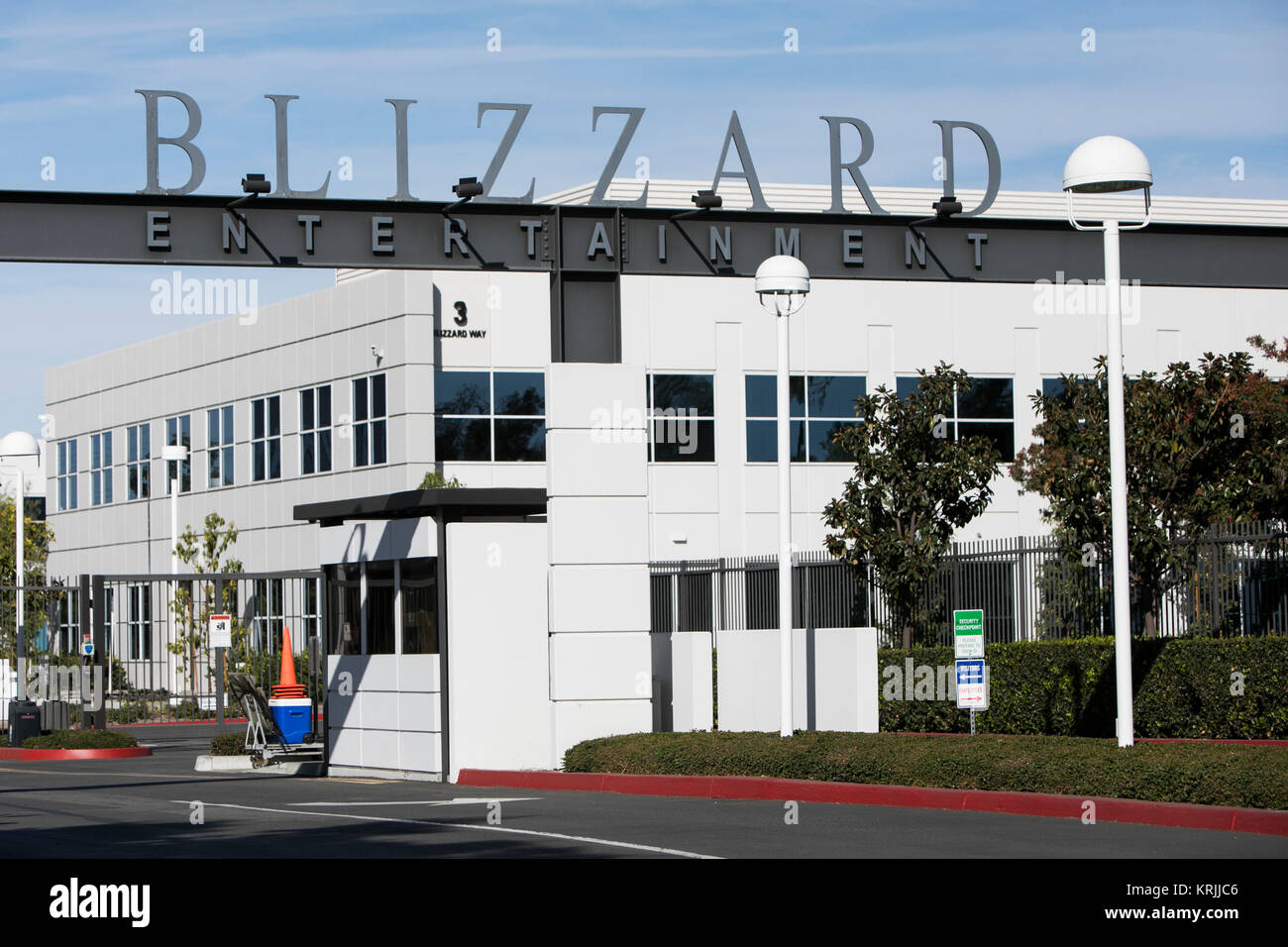
In 2021, the California Department of Fair Employment and Housing (now the Civil Rights Department) filed a lawsuit against Activision Blizzard, alleging widespread sexual harassment and discrimination against women. According to Reuters, the company eventually reached a $54 million settlement with the California Civil Rights Department to resolve these allegations. This settlement, finalized in late 2023, was intended to compensate female employees who experienced discrimination or harassment during the period covered by the investigation.
These legal battles did more than just result in financial penalties; they fundamentally altered the public perception of the company’s leadership. The “reputations” mentioned by community members often refer to the high-level executives and managers who departed during these periods of turmoil. In the technology and gaming sectors, where specialized talent is the primary driver of product quality, the departure of key personnel—and the reasons behind those departures—can leave a lasting imprint on a studio’s creative and operational identity.
How employee reputation affects studio stability
The Reddit discourse highlights a specific phenomenon in the tech industry: the portability of professional reputation. When high-profile employees leave a company under a cloud of controversy, their influence often extends far beyond their tenure at that specific organization.
In the gaming industry, talent is highly mobile. Senior designers, engineers, and producers frequently move between major studios like Riot Games, Ubisoft, and Electronic Arts. If these individuals are associated with toxic work environments or mismanagement, their presence in new roles can trigger scrutiny from both current employees and the consumer base. This creates a cycle where the “reputation” of former staff becomes a metric by which current products are judged.
For Blizzard, this means that every new game launch or major update is viewed through the lens of its past. Players often look for signs of “cultural DNA”—the underlying management philosophies and creative approaches that define a studio. When a studio undergoes massive turnover, as Blizzard did during its various legal and restructuring phases, the loss of institutional knowledge is compounded by the loss of cultural stability. This can lead to a perceived decline in game quality or a lack of direction in long-running franchises like World of Warcraft.
The Microsoft acquisition and the path to reform
The landscape of Blizzard Entertainment changed significantly following Microsoft’s successful acquisition of Activision Blizzard. The deal, which closed in October 2023, was one of the largest in the history of the tech industry. Microsoft’s takeover was viewed by many industry analysts as a potential turning point for Blizzard’s internal culture.
Microsoft has publicly committed to fostering a more inclusive and collaborative environment within its gaming divisions, including Xbox Game Studios and Activision Blizzard. However, the transition from an independent entity to a subsidiary of a massive conglomerate involves complex structural shifts. The challenge for Blizzard lies in whether Microsoft’s oversight can effectively erase the “reputational baggage” that players and former employees continue to discuss.
Industry experts suggest that cultural reform cannot be achieved through corporate policy alone. It requires a demonstrable shift in how talent is recruited, how management is held accountable, and how the community is engaged. While Microsoft provides a new layer of corporate governance, the community’s memory remains long. The skepticism voiced in gaming forums suggests that players are not looking for promises of change, but for tangible evidence in the games themselves.
Comparison of Blizzard’s regulatory settlements
To understand the scale of the cultural and legal challenges Blizzard has faced, it is helpful to compare the primary settlements that have shaped its recent history:

| Regulatory Body | Primary Allegations | Settlement Amount | Status |
|---|---|---|---|
| U.S. Equal Employment Opportunity Commission (EEOC) | Sexual harassment and retaliation | Approximately $18 million | Resolved (2022) |
| California Civil Rights Department (formerly DFEH) | Gender discrimination and pay inequity | Approximately $54 million | Resolved (2023) |
| SEC (Securities and Exchange Commission) | Failure to maintain disclosure controls regarding workplace complaints | $35 million | Resolved (2023) |
What this means for the future of gaming development
The situation at Blizzard serves as a case study for the broader gaming industry regarding the importance of Environmental, Social, and Governance (ESG) standards. As gaming companies grow into multi-billion dollar entities, the social aspect of their operations—specifically how they treat their workforce—is increasingly linked to their market value and brand loyalty.
The “reputation” of a studio is no longer just about the quality of its code or the depth of its lore; it is about the integrity of its human capital. When players discuss Blizzard’s past, they are essentially discussing the long-term risks of neglecting corporate culture. For developers, this means that sustainable success requires a focus on retention and the cultivation of a healthy, transparent workplace.
As Microsoft continues to integrate Activision Blizzard, the industry will be watching to see if a “new Blizzard” can emerge—one that is defined by its innovation rather than its controversies. The success of this transition will likely depend on whether the company can move past the shadow of its former leadership and rebuild its reputation through consistent, high-quality, and culturally sound development.
Frequently Asked Questions
- Why is the Blizzard community so focused on past employee departures?
Many players believe that the management styles and cultural issues that led to previous controversies still influence how games are developed and managed today. - How did the California lawsuit affect Blizzard?
The lawsuit led to a $54 million settlement with the Civil Rights Department and brought significant public and regulatory scrutiny to the company’s internal practices. - Will Microsoft’s ownership change Blizzard’s culture?
Microsoft has stated a commitment to inclusive environments, but the actual impact on Blizzard’s day-to-day operations is still being observed by industry analysts and the gaming community.
The next major checkpoint for the company will be the integration of Activision Blizzard’s titles into the Xbox Game Pass ecosystem, a move that will test the synergy between Microsoft’s management and Blizzard’s development teams.
What are your thoughts on Blizzard’s current direction under Microsoft? Do you believe the company has successfully moved past its previous cultural challenges? Let us know in the comments below and share this article with your community.
Worth a look