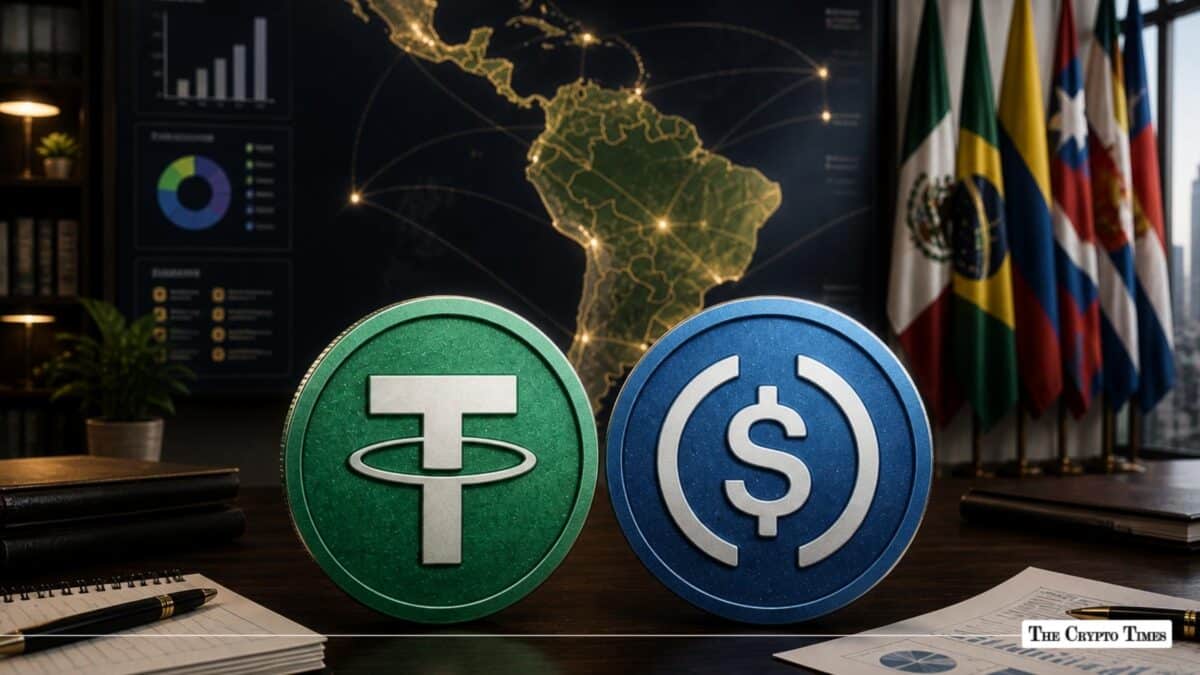
Stablecoins and blockchain technology are emerging as a significant alternative for cross-border financial transactions, potentially reducing the high fees often associated with traditional remittance services. For millions of families in Mexico who rely on funds sent from abroad, this digital infrastructure offers a pathway to near-instantaneous transfers that bypass the conventional banking intermediaries that typically charge percentage-based commissions. According to the World Bank, the cost of sending remittances remains a critical economic issue, as global average costs for sending $200 often hover around 6%, a figure that digital asset platforms aim to disrupt through decentralized ledger efficiency.
The core promise of using stablecoins—digital assets pegged to a stable value, such as the U.S. dollar—lies in their ability to operate 24/7 without the settlement delays inherent in the SWIFT network or legacy correspondent banking. By leveraging blockchain rails, users can initiate a transfer that reaches the recipient’s digital wallet in minutes rather than days. This shift is particularly relevant in the Mexico-U.S. corridor, which ranks as one of the largest remittance markets globally. As noted by the Banco de México, tracking these inflows is essential for understanding household consumption patterns, yet the friction of traditional wire transfers continues to erode the final amount received by families.
How Blockchain Architecture Reduces Transaction Costs
Traditional remittance channels involve multiple intermediaries, including originating banks, correspondent banks, and local payout providers, each taking a portion of the transaction as a processing fee. Blockchain technology streamlines this process by enabling peer-to-peer transfers that settle directly on a public ledger. Because stablecoins like USDC or USDT maintain a 1:1 parity with the dollar, they mitigate the volatility risks traditionally associated with cryptocurrencies like Bitcoin, making them a more practical instrument for everyday financial support.

The cost efficiency is driven by the elimination of the “middleman” layer. When a user converts fiat currency into a stablecoin, sends it across a blockchain, and the recipient converts it back into local currency, the total fee is often limited to the network gas fees and a small spread on the exchange rate. According to research from the Bank for International Settlements, while decentralized finance (DeFi) offers lower costs, users must still account for the risks of platform security and the regulatory environment governing local exchanges.
Regulatory Landscape and Consumer Protections
Despite the technological advantages, the transition to stablecoins is governed by a complex and evolving regulatory framework. In the United States, the Securities and Exchange Commission (SEC) and other federal agencies continue to evaluate how stablecoins fit into existing financial oversight, particularly regarding anti-money laundering (AML) and know-your-customer (KYC) requirements. For consumers, the lack of traditional deposit insurance—such as that provided by the FDIC—means that the security of funds is heavily dependent on the transparency and solvency of the stablecoin issuer.
In Mexico, the Comisión Nacional Bancaria y de Valores (CNBV) maintains oversight of financial institutions and fintech entities. The adoption of blockchain-based remittances requires these entities to comply with the “Ley Fintech,” which regulates how electronic payment funds are handled. Consumers are encouraged to verify that any service provider they use is registered and compliant with local financial laws to ensure their assets remain protected against fraud or platform failure.
The Future of Digital Remittances
The integration of stablecoins into the remittance market is not merely a technological upgrade but a shift in financial accessibility. By providing a digital wallet, individuals who may have been “unbanked” or underserved by traditional institutions can now participate in a globalized financial system. This democratization of access could significantly impact the net disposable income of recipient families, effectively increasing the purchasing power of every dollar sent across the border.
Industry analysts continue to monitor the volume of remittances moving through blockchain protocols. While traditional banks still process the vast majority of cross-border payments, the growth rate of stablecoin usage suggests a clear market demand for speed and lower costs. The next major checkpoint for this sector will be the implementation of the Markets in Crypto-Assets (MiCA) regulation in Europe and potential legislative developments in the U.S. Congress, which will likely set global standards for stablecoin issuance and usage in the coming fiscal year.
For those interested in the latest updates on remittance trends and regulatory shifts, official reports from the International Monetary Fund provide ongoing analysis of how digital assets are reshaping international capital flows. Readers are encouraged to share their experiences with digital remittance platforms in the comments section below to contribute to the broader discussion on the future of global finance.