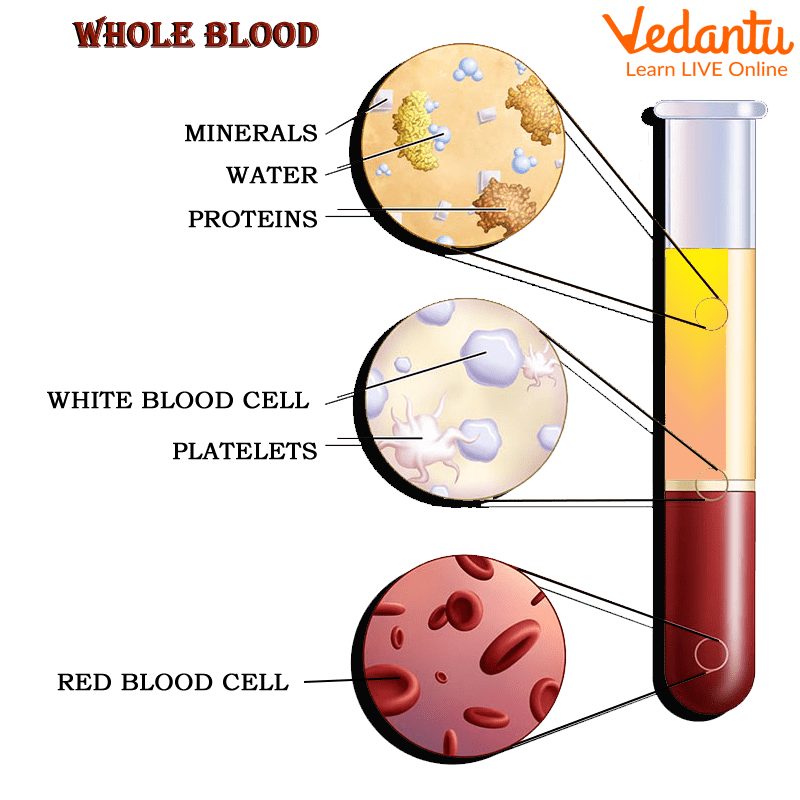
Donated blood undergoes a specialized separation process known as component processing to divide it into three primary products: red blood cells, platelets, and plasma. This transformation allows a single blood donation to be utilized for multiple patients, significantly increasing the efficiency of healthcare systems and the impact of every individual donor.
When a person donates blood, they typically provide “whole blood.” However, most medical treatments do not require the entire volume of blood at once. Instead, clinicians prescribe specific components based on a patient’s immediate physiological needs. According to medical protocols used by organizations such as the American Red Cross and various European blood services, this separation is achieved through centrifugation, a process that uses high-speed spinning to sort blood elements by density.
How is donated blood separated into different products?
The transition from raw donated blood to clinical components begins in a controlled laboratory environment. Once the whole blood is collected into specialized bags containing anticoagulants, it is placed into a centrifuge. This machine spins the blood at specific speeds and durations to separate the liquid and cellular parts based on their weight.
The heaviest elements, the red blood cells, settle at the bottom of the container. Above them lies a thin layer of platelets, and the remaining liquid portion is the plasma. This separation is critical because it prevents the waste of blood products; a patient requiring only clotting factors does not need to receive the entire volume of a donor’s red blood cells, which could potentially overload their circulatory system.
Medical facilities and blood banks follow strict regulatory guidelines to ensure these components remain viable. The process must occur within specific timeframes to maintain the integrity of the cells and the stability of the proteins within the plasma.
What role do red blood cells play in medical treatment?
Red blood cells (RBCs) are the most frequently utilized component in transfusion medicine. Their primary function is to transport oxygen from the lungs to the rest of the body via the protein hemoglobin. Consequently, RBC transfusions are standard procedure for patients experiencing significant blood loss, such as those undergoing major surgery or victims of severe trauma.

Beyond trauma, red blood cells are essential for treating chronic conditions like anemia or sickle cell disease. According to clinical guidelines, red blood cell transfusions are also necessary for patients with various forms of cancer whose bone marrow is no longer producing sufficient healthy cells.
Because red blood cells are living cells, they require careful management. They are typically stored in specialized refrigerators at temperatures between 1°C and 6°C. To extend their shelf life, blood banks often add preservative solutions, such as adenine, glucose, and phosphate, which help maintain the cells’ ability to carry oxygen. Depending on the specific additive used, red blood cells can remain viable for up to 42 days.
Why are platelets so critical for cancer patients?
Platelets, or thrombocytes, are the cellular components responsible for blood clotting. When a blood vessel is damaged, platelets adhere to the site to form a plug and prevent excessive bleeding. While red blood cells focus on oxygen, platelets focus on coagulation.

The demand for platelets is particularly high in oncology wards. Chemotherapy and radiation treatments often deplete a patient’s platelet count, a condition known as thrombocytopenia, leaving them at high risk for spontaneous internal bleeding. For these patients, regular platelet transfusions are a life-sustaining necessity.
Unlike red blood cells, platelets have a very short shelf life. They must be stored at room temperature (between 20°C and 24°C) and undergo constant agitation in specialized incubators to prevent them from clumping together. Because of this constant movement and the biological instability of the cells, platelets generally expire within five to seven days of collection. This short window creates a continuous and urgent need for regular donations.
How is plasma used to treat trauma and clotting disorders?
Plasma is the yellowish, liquid component of blood that carries water, electrolytes, proteins, and clotting factors. While red blood cells and platelets are cellular, plasma is essentially the “solution” that allows the cells to move through the body and facilitates the chemical reactions necessary for survival.
Medical professionals use plasma to treat patients with severe burns, massive blood loss, or liver disease, where the body’s ability to produce its own clotting proteins is compromised. Fresh Frozen Plasma (FFP) is a common product used in emergency rooms to stabilize patients in shock or to reverse the effects of certain anticoagulant medications.
To maintain the stability of the delicate clotting proteins, plasma is typically frozen shortly after collection. When frozen, plasma can be stored for long periods—often up to a year—making it a more stable resource than platelets. Once needed, the plasma is thawed in a controlled water bath before being administered to the patient.
How do health authorities ensure blood safety?
Before any blood component reaches a hospital bedside, it undergoes rigorous testing. Regulatory bodies, such as the Food and Drug Administration (FDA) in the United States and the European Medicines Agency (EMA) in Europe, mandate strict screening protocols to protect both donors and recipients.
Every donation is screened for infectious diseases, including HIV, Hepatitis B, Hepatitis C, and Syphilis. Additionally, many blood centers perform nucleic acid testing (NAT) to detect the genetic material of viruses, which significantly reduces the “window period”—the time between a person’s infection and when a test can reliably detect it.
The safety process also includes blood typing (ABO and Rh factor) and cross-matching to ensure compatibility. An incompatible transfusion can trigger a life-threatening immune response, making these laboratory checks the most vital step in the entire donation-to-transfusion chain.
Summary of Blood Component Characteristics
| Component | Primary Function | Typical Storage Condition | Average Shelf Life |
|---|---|---|---|
| Red Blood Cells | Oxygen transport | Refrigerated (1-6°C) | Up to 42 days |
| Platelets | Blood clotting | Room Temp (20-24°C) with agitation | 5–7 days |
| Plasma | Clotting factors & fluid balance | Frozen | Up to 1 year |
Frequently Asked Questions
Can one donation help more than one person?
Yes. Because a single unit of whole blood is separated into its constituent parts, one donation can potentially provide life-saving products to three different patients: one receiving red blood cells, one receiving platelets, and one receiving plasma.

Why do platelets expire so much faster than other components?
Platelets are highly sensitive to temperature and tend to clump if they are not kept in constant motion. They must be stored at room temperature to remain functional, which makes them much more susceptible to bacterial growth and biological degradation compared to refrigerated red blood cells.
What happens if a donor’s blood is found to be unsafe during testing?
If a donation tests positive for an infectious agent or fails to meet safety standards, the entire unit is discarded immediately. The blood center will also follow established protocols to contact the donor for follow-up medical guidance and to prevent future risks.
Blood centers and regulatory agencies continue to update screening technologies and storage methods to improve patient outcomes. For the latest information on blood shortages or donation requirements in your specific region, please consult your local official health authority or national blood service.
Do you have questions about the donation process or how blood components are used in hospitals? Share your thoughts in the comments below and share this article to help spread awareness about the importance of blood donation.