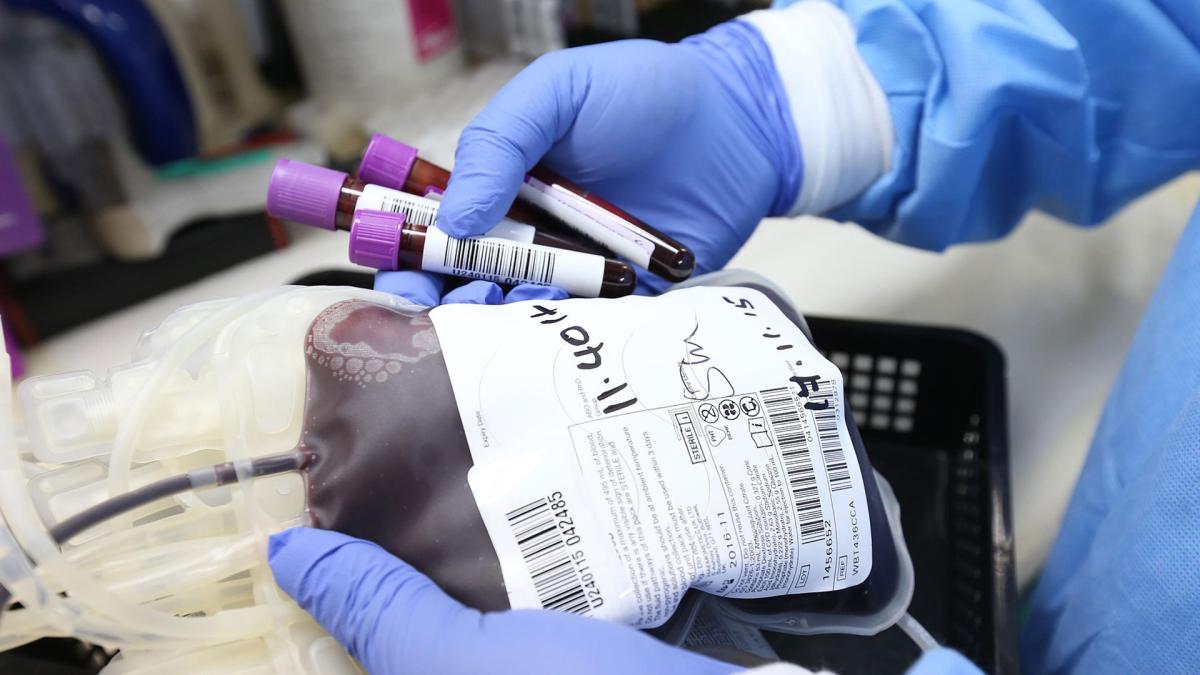
The Lifesaving Act of Blood Donation: Addressing Common Questions and Concerns
Blood donation is a cornerstone of modern healthcare, a remarkably simple act with the power to save lives. Hospitals worldwide rely on a constant supply of blood to manage emergencies, perform surgeries and treat patients battling cancer and other serious illnesses. The demand is relentless – every two seconds, someone in the United States alone requires a blood transfusion. Unlike many medical treatments, blood cannot be manufactured; it relies entirely on the generosity of volunteer donors. Each donation has the potential to save up to three lives, making it a profoundly impactful contribution to public health. As blood banks globally work to maintain adequate reserves, particularly before peak demand periods like holidays, understanding the process and addressing common concerns is crucial to encouraging participation.
The demand for blood is universal. According to the American Red Cross, approximately 6.8 million people in the U.S. Donate blood each year, but still, blood shortages occur regularly. Maintaining a stable blood supply is a constant challenge, requiring ongoing recruitment and education efforts. This article aims to address frequently asked questions about blood donation, clarifying eligibility requirements and dispelling common myths, empowering more individuals to become lifesavers.
Who Can Donate? Eligibility Requirements
Not everyone is eligible to donate blood. Several basic requirements must be met to ensure both the safety of the donor and the recipient. Generally, donors must be in good health, weigh at least 110 pounds (approximately 50 kilograms), and be between the ages of 18 and 70. Some blood centers may allow 16- and 17-year-olds to donate with parental consent. Potential donors will undergo a brief health screening, including checks for temperature, blood pressure, pulse, and hemoglobin levels, to assess their suitability.
Preparation for Donation: What to Eat and Drink
Unlike many laboratory tests, donating blood does not require fasting. In fact, it’s recommended to eat a light meal before donating and to drink plenty of fluids in the days leading up to your appointment. Avoid fatty foods, sugary drinks, and alcohol before donation, as these can affect blood quality. The Association of Donors of Euskadi recommends avoiding strenuous exercise for three to four hours before donating to maintain stable blood pressure and hydration levels. Adequate hydration is key to a smooth donation process.
Medical Conditions and Medications: Can You Still Donate?
Having a medical condition doesn’t automatically disqualify you from donating blood. Many individuals with chronic conditions, such as high cholesterol, can still donate safely. However, a medical professional will assess your specific health status during the screening process. Donors are asked to disclose any medications they are taking, as some medications may temporarily or permanently defer eligibility. It’s crucial to be honest and transparent about your medical history to ensure the safety of the blood supply.
Donating During Your Period, Pregnancy, and After Dental Work
Common questions arise regarding menstruation, pregnancy, and recent dental procedures. Donating blood during menstruation is generally permitted, unless a healthcare professional advises otherwise. However, blood donation is not allowed during pregnancy or for six months after childbirth. Here’s to protect the health of both the mother and the developing baby. Following medical procedures, waiting periods apply. A simple dental check-up doesn’t require a waiting period; you can donate on the same day. However, after a dental cleaning, a 24-hour waiting period is recommended. Following a filling, a 72-hour waiting period is advised, and after a tooth extraction, a seven-day waiting period is required. Similarly, individuals with recent tattoos or piercings must wait four months before donating blood.
Is Blood Donation Safe? Preventing Disease Transmission
Blood donation is a remarkably safe process. All materials used during donation are sterile, single-apply, and designed to prevent any risk of infection. After donation, the blood is rigorously tested for a range of infectious diseases, including HIV, hepatitis B and C, syphilis, and West Nile virus. These tests ensure that only safe, pathogen-free blood is transfused to patients. According to the American Association of Blood Banks (AABB), the risk of contracting an infection from a blood transfusion is extremely low, thanks to these stringent screening procedures. The donated blood undergoes comprehensive analysis before being released for use.
Confidentiality and Your Medical Information
Your medical information remains completely confidential. The results of your blood tests are protected by the same privacy regulations as any other medical consultation. Blood banks do not share your personal information with anyone without your consent. While your donation helps save lives, your identity and medical details are kept strictly private. The focus remains solely on ensuring the safety and quality of the blood supply.
How Often Can You Donate?
There are specific time intervals between blood donations to allow your body to replenish its blood volume and iron levels. The minimum waiting period between donations is two months. Men can donate up to four times a year, while women can donate up to three times a year. These guidelines are in place to protect the health of the donor and maintain a sustainable blood supply.
Finding a Donation Center and Scheduling an Appointment
Donating blood is convenient and accessible. Numerous blood donation centers and mobile blood drives are located throughout the country. To find a donation center near you, you can visit the websites of organizations like the American Red Cross (https://www.redcrossblood.org/) or America’s Blood Centers (https://www.americasblood.org/). Scheduling an appointment is often recommended to minimize wait times and ensure a smooth donation process. Many centers as well offer walk-in appointments.
In Madrid, Spain, you can find a list of fixed donation points and hospitals with donation centers through the Sanidad Madrid website: https://donarsangre.sanidadmadrid.org/fijos.aspx. The Hospital Universitario La Paz also has a dedicated blood donor unit, offering three hours of free parking to donors (https://www.comunidad.madrid/hospital/lapaz/profesionales/servicios-centrales/unidad-donantes). Quirónsalud Madrid Hospital also has an authorized blood donation point (https://www.quironsalud.com/hospital-madrid/es/donacion_altruista_de_sangre_y_medula).
Donating blood is a selfless act that can build a profound difference in someone’s life. By understanding the eligibility requirements, preparation guidelines, and safety measures, you can confidently contribute to this vital cause. The ongoing need for blood remains critical, and your donation can aid ensure that hospitals have the resources they need to provide life-saving care.
The next major awareness campaign for blood donation is scheduled for early April, coinciding with the Easter period. Please consider making a donation and encouraging others to do the same. Share this article with your friends and family to spread awareness and inspire action. We welcome your thoughts and experiences with blood donation in the comments below.
Worth a look