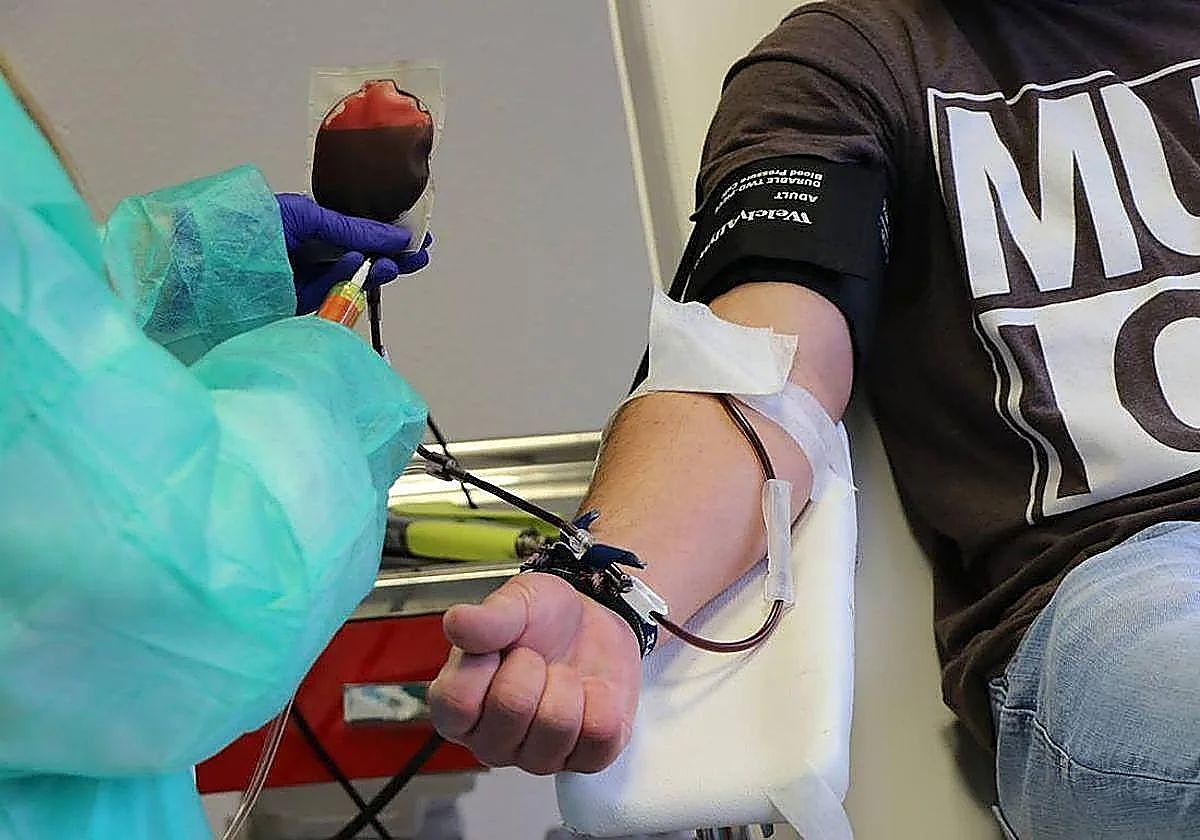
Blood Donation Rules Relaxed in León Province, Spain, Aligning with EU Standards
Donors in the province of León, Spain, will soon be able to donate blood more frequently, thanks to a change in regulations aligning with new European standards. The update, announced by the Centro de Hemoterapia y Hemodonación de Castilla y León, and communicated to members by the Hermandad de Donantes de Sangre de León, will allow men to donate up to six times a year and women up to four times, an increase from the previous limits of four and three times respectively. This shift aims to bolster blood supplies and streamline donation practices across the region.
The change is a direct result of adapting to the new European regulations outlined in the Substances of Human Origin (SoHO) regulation, established in 2023 and adopted by Spain in 2024 with a full implementation deadline of 2027. Castilla y León is proactively implementing these changes, demonstrating a commitment to harmonizing blood donation practices with the rest of the European Union. The SoHO regulation aims to standardize the rules governing treatments based on human-derived substances, including blood, tissues, cells, and organs, ensuring safety and accessibility across member states.
New Donation Frequency and Intervals
Under the revised guidelines, eligible male donors can now contribute blood six times annually, while female donors can donate four times. Crucially, the minimum interval between donations remains at two months, ensuring donor health and maintaining blood quality. This adjustment comes after recommendations from hematology professionals to the EU, who determined that increasing donation frequency wouldn’t pose risks to donors but could significantly improve donor retention and overall donation rates.
The Centro de Hemoterapia y Hemodonación de Castilla y León has been accredited with CAT standards since 2004, allowing it to move ahead of the 2027 implementation deadline. This accreditation is based on technical standards in blood transfusion, encompassing donation, apheresis, autologous donation, analysis, processing of blood components, storage, and distribution. The proactive approach taken by the center underscores its dedication to providing safe and efficient blood transfusion services.
The SoHO Regulation and its Impact
The SoHO regulation, formally known as Regulation (EU) 2023/1904, establishes a harmonized framework for the quality and safety of substances of human origin. The European Commission details the regulation on its website, outlining its objectives to protect public health and facilitate the availability of safe and effective treatments. The regulation covers all stages of the process, from donation and collection to processing, testing, storage, and distribution.
The impetus for the changes stems from a desire to increase the availability of blood and blood components while maintaining the highest safety standards. Experts believe that increasing donation frequency, coupled with robust screening and testing procedures, can help to address potential shortages and ensure a reliable supply for patients in need. The updated rules are intended to encourage regular donations and foster a stronger sense of community involvement in blood donation programs.
Benefits of Increased Donation Frequency
The increased donation frequency is expected to have several positive effects. Firstly, it will help to maintain adequate blood supplies, particularly during peak demand periods such as holidays and emergencies. Secondly, it will provide greater convenience for regular donors, allowing them to contribute more frequently without compromising their health. Finally, it will contribute to a more sustainable blood donation system by encouraging long-term donor commitment.
The Hermandad de Donantes de Sangre de León, with its network of over 15,500 active donors, plays a vital role in promoting blood donation within the province. The organization actively recruits new donors and provides support and education to existing donors. The changes announced will be communicated to all members, ensuring they are aware of the new donation guidelines.
Looking Ahead: Continued Commitment to Blood Safety
The implementation of the new donation rules in León province represents a significant step forward in modernizing blood donation practices and aligning with European standards. The Centro de Hemoterapia y Hemodonación de Castilla y León remains committed to ensuring the safety and quality of blood products, and will continue to monitor the impact of the changes on donor health and blood supply levels. The organization will also continue to collaborate with donor associations and healthcare professionals to promote blood donation and raise awareness of the importance of this life-saving act.
The next step involves widespread communication of the new rules to donors and healthcare providers across the region. The Centro de Hemoterapia y Hemodonación de Castilla y León will be providing updated information on its website and through its network of donation centers. Donors are encouraged to visit the Centro de Hemoterapia y Hemodonación de Castilla y León website for the most current information and to schedule their next donation appointment.
We encourage readers to consider becoming blood donors and to share this information with others. Your contribution can make a life-saving difference. Please leave your thoughts and experiences with blood donation in the comments below.