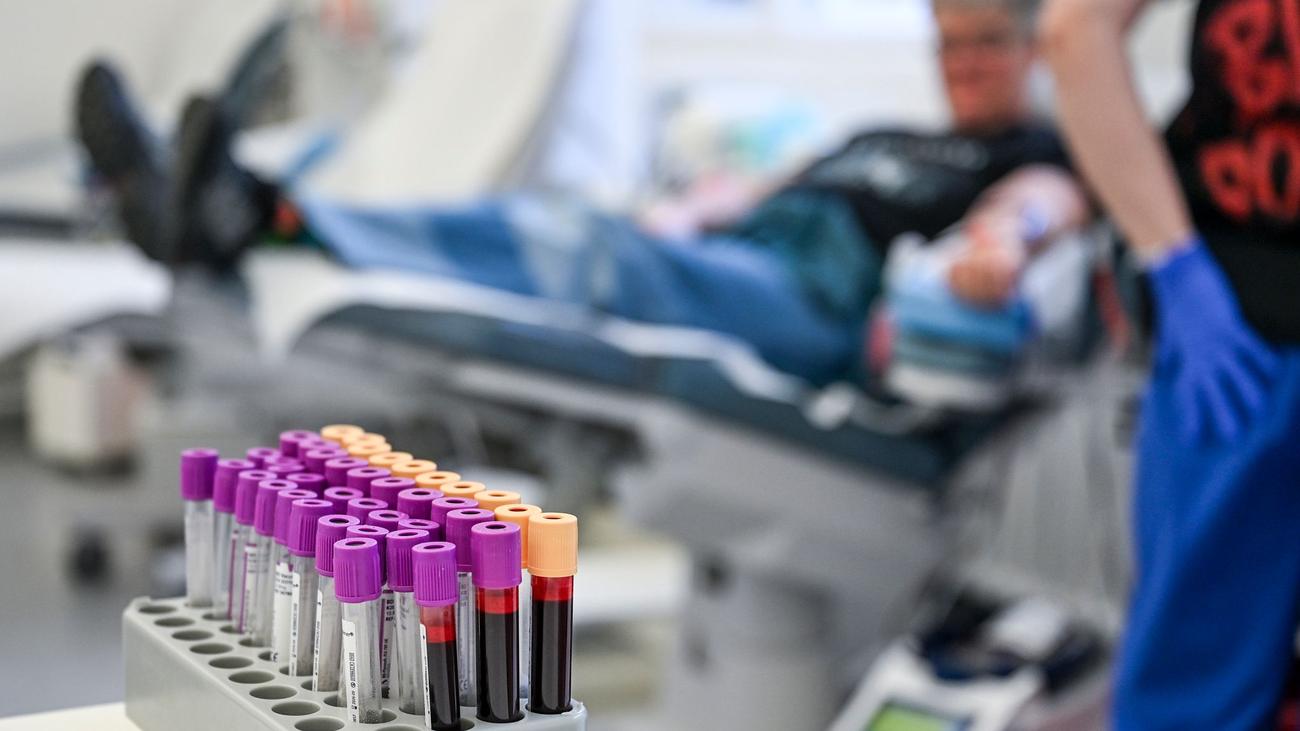
Berlin, Germany – As many prepare for Easter celebrations, the German Red Cross (DRK) is urging eligible individuals to donate blood, particularly on Holy Saturday, April 4th. This proactive measure aims to ensure sufficient blood supplies are available throughout the holiday period, a time when donations traditionally decrease, potentially impacting patient care.
The DRK-Blutspendedienst Nord-Ost, responsible for blood donations in the states of Saxony, Brandenburg, Berlin, Schleswig-Holstein, and Hamburg, is offering additional appointments specifically for Holy Saturday. Maintaining a stable blood supply is crucial for both routine clinical needs and responding to emergency situations, as many serious illnesses require blood transfusions for effective treatment. According to the DRK, approximately 650 blood donations are needed daily in Saxony alone to meet patient demands. The initiative, reported by Die Zeit, underscores the ongoing need for consistent blood donation to support healthcare systems.
The Blood Donation Process: What to Expect
The DRK emphasizes a straightforward process for potential donors. Before attending an appointment, it’s recommended to increase fluid intake. Upon arrival, donors will need to present a valid photo ID and complete a medical questionnaire. A brief consultation with a physician, followed by a small laboratory test, will determine eligibility. The actual blood donation typically takes between 8 and 12 minutes, with approximately half a liter of blood collected. Following the donation, a period of rest and a light refreshment are provided, with the entire process taking around 45 minutes.

Appointments can be scheduled online or by calling the DRK’s toll-free hotline at 0800 11 949 11. This accessibility aims to encourage widespread participation and ensure a steady flow of donations. The DRK-Blutspendedienst Nord-Ost is a vital component of the healthcare infrastructure in the region, providing essential resources to hospitals and medical facilities.
Broader Concerns About Blood Supply in Germany
The call for increased donations comes amid broader concerns about maintaining adequate blood supplies across Germany. The DRK in Berlin, Brandenburg, and Saxony has reported a strained supply situation since the May holidays, with a noticeable decline in donor willingness. This trend is particularly worrying as the upcoming European Football Championship is expected to further divert attention from blood donation, potentially exacerbating the issue.
Kerstin Schweiger, a spokesperson for the DRK-Blutspendedienst Nord-Ost, highlighted the critical importance of blood donations, especially for patients battling cancer, who require approximately 20% of all blood transfusions. Blood platelets, essential for these patients, have a limited shelf life of just four days, further emphasizing the need for consistent donations. The approaching summer holidays, with extended periods of potential donor absence, add another layer of complexity to the supply chain.
The Impact of Major Events and Seasonal Fluctuations
Large-scale events, such as the Fußball-EM (European Football Championship), often lead to a decrease in blood donation rates as public focus shifts. Similarly, the summer holiday season presents challenges due to the extended absence of regular donors. These seasonal fluctuations require proactive measures, such as the DRK’s initiative to offer additional appointments on Holy Saturday, to mitigate potential shortages.
The DRK’s appeal is not merely a logistical concern; it’s a matter of life and death for many patients. Blood transfusions are indispensable for treating a wide range of conditions, including trauma, surgery, and chronic illnesses. Ensuring a stable blood supply is therefore a fundamental pillar of a functioning healthcare system.
The Role of the Deutsche Presse-Agentur (dpa)
The information regarding the DRK’s call for donations was initially disseminated by the Deutsche Presse-Agentur (dpa), a leading German news agency. The dpa, with over 75 years of experience, is committed to providing reliable and verified news across various formats. Its role in reporting on critical public health issues, such as blood donation, underscores its importance in informing the public and supporting essential healthcare initiatives.
The dpa’s commitment to factual reporting is particularly crucial in addressing concerns about misinformation and ensuring that the public receives accurate information about health-related matters. This dedication to credibility is essential for building trust and encouraging informed decision-making.
World Blood Donor Day and Ongoing Efforts
The DRK’s efforts align with the broader global recognition of the importance of blood donation, exemplified by World Blood Donor Day, observed annually on June 14th. This international day serves as a platform to thank voluntary blood donors for their life-saving contributions and to raise awareness about the need for safe blood and blood products.
The DRK continues to actively promote blood donation through various campaigns and initiatives, aiming to engage new donors and retain existing ones. These efforts are vital for maintaining a sustainable blood supply and ensuring that healthcare providers have the resources they need to provide optimal patient care.
The DRK’s proactive approach to addressing potential blood shortages, particularly during peak demand periods and holiday seasons, demonstrates its commitment to public health and its dedication to serving the needs of the community. By offering convenient appointment options and raising awareness about the importance of blood donation, the DRK is playing a crucial role in safeguarding the health and well-being of individuals across Germany.
The next key date to watch is June 14th, World Blood Donor Day, where the DRK will likely launch further initiatives to encourage donations. Individuals interested in learning more about blood donation or scheduling an appointment are encouraged to visit the DRK website or contact their local branch.
Do you have questions about blood donation? Share your thoughts in the comments below, and let’s continue the conversation. Please also share this article with your network to help raise awareness about this critical issue.