
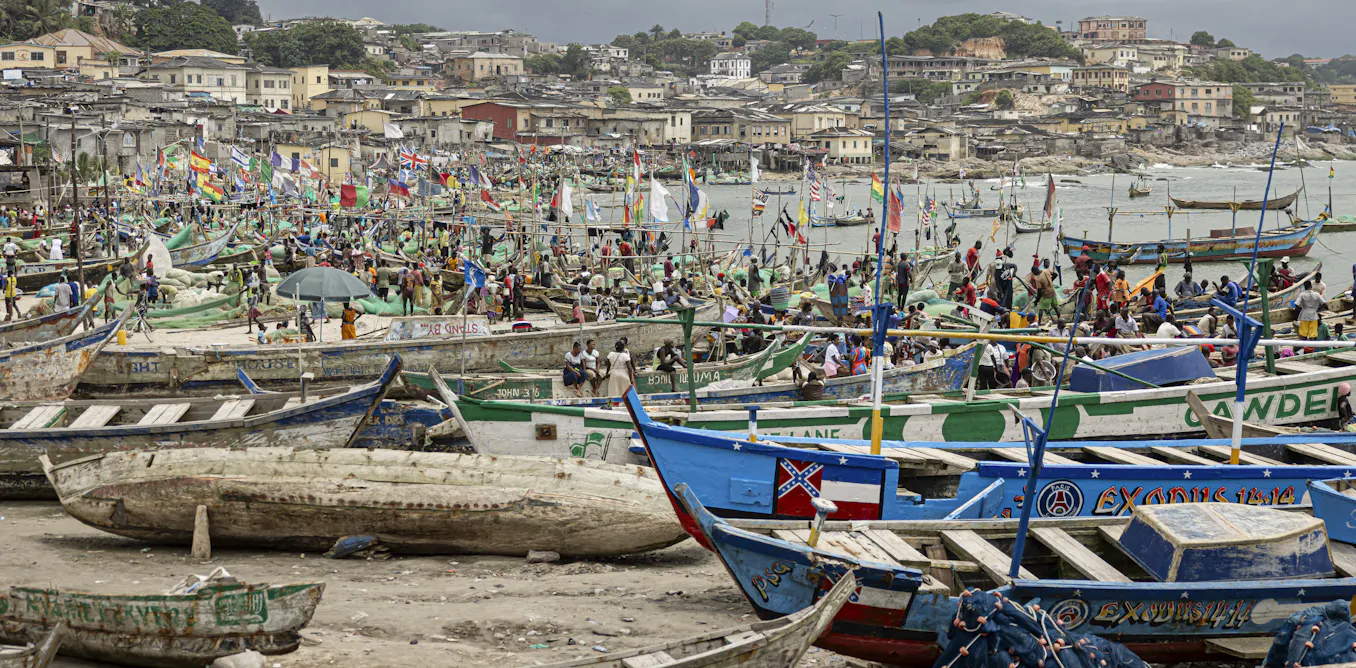
Africa’s vast aquatic landscapes are increasingly becoming the center of a strategic economic push. With over 47,000 kilometers of coastline and 13 million square kilometers of exclusive economic zones, the continent is looking toward its oceans to drive the next wave of growth. Though, as nations race to develop these resources, the risk of disputes over ocean resources grows, making sustainable governance a critical priority for the region.
The scale of the opportunity is immense. According to estimates from the African Union, the blue economy already generates nearly US$300 billion for the continent, supporting approximately 49 million jobs. These figures underscore why coastal countries are aggressively integrating blue economy expansion into their national and regional development policies.
Despite the economic promise, the path to sustainable growth is fraught with challenges. From overfishing and marine pollution to the intensifying effects of climate change, the health of the ocean is under threat. To avoid conflict and ensure equitable growth, African nations are now pivoting toward collaborative frameworks and international partnerships to manage their shared waters.
The Strategic Importance of Africa’s Blue Economy
The blue economy encompasses a wide range of sectors beyond traditional fishing. It includes sustainable blue energy, aquaculture, blue carbon initiatives, marine transport, trade, tourism, and the extraction of mineral resources. For many coastal nations, these sectors represent the “next frontier” for economic resilience, providing a way to diversify economies that have historically relied on terrestrial agriculture or land-based mining.
The African Union Commission emphasizes that this growth is not just about financial gain but about survival and security. The ocean is fundamental to food security and the livelihoods of millions. However, the productivity of these marine landscapes is currently threatened by unsustainable infrastructure development and the inadequate management of natural habitats. When resources are mismanaged or depleted, the likelihood of friction between neighboring states over fishing rights or seabed minerals increases.
Climate change acts as a risk multiplier in this environment. Sea-level rise, land subsidence, storm surges, and coastal flooding are exacerbating the vulnerability of coastal communities. As habitable land shrinks and fish stocks migrate due to warming waters, the pressure on shared maritime boundaries intensifies, creating a fertile ground for potential disputes.
Collaborative Frameworks to Prevent Resource Conflict
To mitigate the risk of disputes over ocean resources, Africa is leaning into multilateralism. A primary example of this is the Blue Economy for Resilient Africa program (BE4RAP), pioneered by the World Bank. Announced at COP27, this program is designed to bring the entire continent under one umbrella to advance the blue economy through policy dialogue, finance, and knowledge transfer.
The BE4RAP approach focuses on helping coastal countries leverage opportunities while simultaneously managing the inherent risks of growing their budding blue economies. By establishing shared standards and policy frameworks, the program aims to reduce the friction that typically arises when nations compete for the same marine resources without a coordinated plan.
the African Union and the United Nations Development Programme (UNDP) have established the Africa Blue Economy Week as a premier platform for sustainable growth. The 2025 edition, themed “From Pledges to Stronger Partnerships: Accelerating Africa’s Blue Economy,” specifically sought to turn high-level commitments into concrete actions. By bringing together policymakers, scientists, and community leaders in Addis Ababa, the event serves as a mechanism for sharing best practices and pooling finances to maximize the potential of the blue economy collaboratively rather than competitively.
Addressing the Barriers to Sustainable Growth
While the vision for a resilient blue economy is clear, several systemic barriers continue to hinder progress and increase the risk of instability. Research indicates that terrestrial protection in Africa far exceeds the protection of marine systems. This gap highlights both the severe threat marine systems face and the untapped opportunity for developing sustainable management practices.

Key challenges that must be addressed to avoid resource disputes include:
- Overfishing: The depletion of fish stocks often leads to illegal, unreported, and unregulated (IUU) fishing, which can spark diplomatic tensions between nations.
- Marine Pollution: Pollution does not respect national borders. runoff and plastic waste from one country can devastate the aquaculture and tourism industries of another.
- Investment Gaps: Limited investment in sustainable infrastructure often leads countries to opt for short-term, extractive gains over long-term sustainability.
- Climate Vulnerability: The physical alteration of coastlines due to sea-level rise can complicate the demarcation of maritime boundaries.
Addressing these issues requires a shift from “pledges” to “stronger partnerships.” As noted by Dr. Jihane El Gaouzi of the African Union Commission, the goal is to work collaboratively to pool finances and maximize the potential of the blue economy for both people and the planet.
Key Takeaways for Regional Stability
- Economic Scale: The blue economy generates nearly US$300 billion and 49 million jobs, making its stable management a matter of continental economic security.
- Risk Factors: Climate change and unsustainable infrastructure are the primary drivers of vulnerability in coastal landscapes.
- Institutional Support: Programs like BE4RAP and initiatives like Africa Blue Economy Week provide the policy and financial frameworks necessary to prevent conflict.
- Conservation Gap: There is a critical need to increase marine protection to match the levels of terrestrial protection currently in place.
The future of Africa’s aquatic resources depends on the ability of coastal states to move beyond national interests and embrace a regional approach to ocean governance. By prioritizing the health of the ocean, countries can ensure that the pursuit of economic growth does not come at the cost of environmental collapse or geopolitical instability.
The next major milestone for these efforts continues through the ongoing initiatives of the African Union Commission’s Sustainable Environment and Blue Economy (SEBE) division and the continued rollout of the World Bank’s BE4RAP framework. We encourage readers to share this report and join the conversation on how sustainable ocean governance can reshape Africa’s economic future.