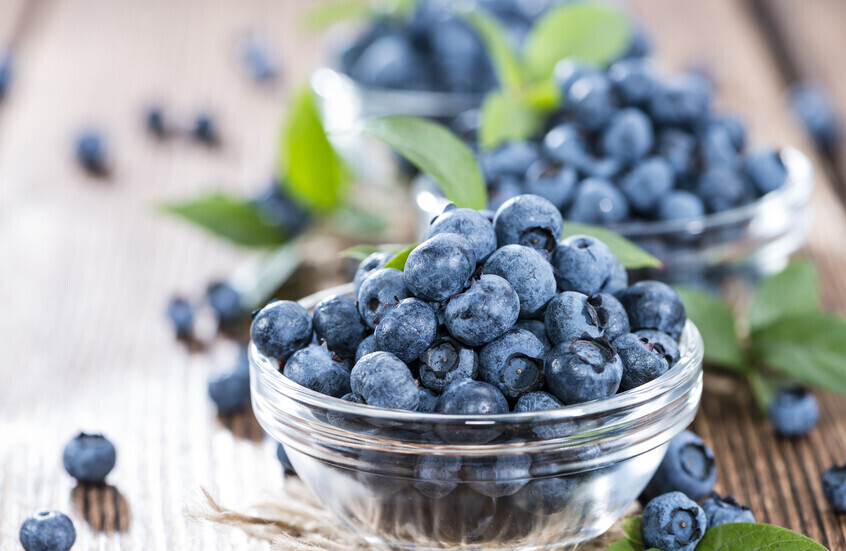
Managing Type 2 diabetes requires a multifaceted approach that extends beyond medication to include rigorous dietary interventions. Recent scientific inquiries are now shedding light on how specific plant compounds, particularly those found in berries, may interact with the human body to stabilize metabolic functions. New evidence suggests that blueberry anthocyanins and blood sugar management are linked through a complex interaction involving the gut microbiome.
For patients navigating the challenges of insulin resistance and glucose fluctuations, the focus has shifted toward the “gut-blood sugar axis.” This connection explores how the bacteria residing in the digestive tract influence how the body processes glucose and manages inflammation. A recent study has highlighted the potential of blueberry-derived compounds to not only influence glucose levels but to fundamentally reshape the composition of intestinal microbiota.
As a physician and journalist, I discover the intersection of nutraceuticals and endocrinology particularly compelling. The ability to modulate the gut environment through targeted dietary supplements offers a promising avenue for complementary therapy in chronic disease management, provided the results are viewed through a lens of clinical evidence rather than marketing hype.
The Role of Anthocyanins in Metabolic Health
Anthocyanins are the potent antioxidants responsible for the deep blue and purple pigments in blueberries. These compounds are recognized for their ability to combat oxidative stress, but their role in metabolic regulation is becoming increasingly clear. In the context of Type 2 diabetes, these compounds are being studied for their capacity to improve the body’s response to glucose.
A recent scientific study focused on the impact of these compounds on a group of 15 adults diagnosed with Type 2 diabetes. The research was designed to determine whether a concentrated dose of anthocyanins could produce measurable changes in blood chemistry and gut health over a sustained period.
The study participants were divided into two distinct groups to ensure a controlled comparison. The first group received a daily supplement of 400 milligrams of blueberry anthocyanin extract. The second group served as a control, receiving no such supplements. This regimen was maintained for a duration of six months to observe both short-term and longitudinal effects on the participants’ health markers.
Analyzing the Impact on Blood Glucose and HbA1c
When evaluating the efficacy of any diabetes-related intervention, clinicians typically look at two primary markers: fasting blood glucose and glycated hemoglobin (HbA1c). HbA1c provides a three-month average of blood sugar levels, making it a gold standard for assessing long-term glycemic control.
The results of the six-month study provided a nuanced picture. Researchers noted that there were no statistically significant improvements in the HbA1c levels among the group receiving the anthocyanin extract. This suggests that while the supplement may be beneficial, it is not a replacement for primary diabetes medications or comprehensive lifestyle changes.
However, the study did reveal positive indicators in the reduction of blood glucose levels. This suggests that blueberry anthocyanins may help in managing acute glucose spikes or improving the immediate processing of sugars in the bloodstream, even if the long-term average (HbA1c) remained relatively stable during the study period .
Reshaping the Gut Microbiome: Firmicutes vs. Bacteroidetes
Perhaps the most significant finding of the research lies in the modification of the gut microbiota. The human gut is home to trillions of bacteria that play a critical role in immunity, digestion, and metabolism. An imbalance in these bacteria, known as dysbiosis, is often associated with metabolic disorders, including diabetes.
The administration of blueberry anthocyanin extract led to a notable shift in the abundance of specific bacterial phyla. Specifically, the researchers observed a decrease in the prevalence of Firmicutes. This group of bacteria is often associated with the stimulation of inflammation, which can exacerbate insulin resistance in diabetic patients.
Conversely, there was an increase in the abundance of Bacteroidetes, a group of bacteria closely linked to improved metabolic processes. By shifting the ratio of these microbes, the anthocyanins appear to create a more favorable environment for metabolic health .
the study found an increase in the levels of short-chain fatty acids (SCFAs) in the stool of participants taking the supplement. SCFAs are produced when gut bacteria ferment dietary fibers and polyphenols. These acids are vital because they help regulate glucose metabolism, reduce systemic inflammation, and maintain the integrity of the intestinal lining.
Broader Cardiovascular Implications
While the focus of the recent study was on diabetes and gut health, the benefits of blueberries extend to the cardiovascular system. There is a well-documented relationship between metabolic health and heart health, as diabetes significantly increases the risk of cardiovascular disease.
Recent data indicates that regular consumption of blueberries may contribute to the natural lowering of blood pressure. This effect is particularly beneficial for individuals already struggling with hypertension or those who are predisposed to cardiovascular issues . When combined with the glucose-regulating and anti-inflammatory effects of anthocyanins, blueberries emerge as a powerful dietary tool for holistic vascular and metabolic support.
Summary of Key Findings
| Marker | Observed Effect | Clinical Significance |
|---|---|---|
| Blood Glucose | Positive reduction indicators | Potential for better daily glucose management |
| HbA1c | No statistically significant change | Not a primary substitute for long-term medication |
| Firmicutes Bacteria | Decreased abundance | Reduction in potential pro-inflammatory triggers |
| Bacteroidetes Bacteria | Increased abundance | Improvement in metabolic processing |
| Short-Chain Fatty Acids | Increased levels in stool | Enhanced metabolic function and gut health |
Clinical Perspective: Integration into Daily Health
From a medical standpoint, these findings emphasize the importance of “food as medicine,” but with a necessary caveat: supplements should complement, not replace, professional medical treatment. The shift in gut microbiota—specifically the increase in Bacteroidetes and the production of short-chain fatty acids—demonstrates that You can influence our internal biological environment through targeted nutrition.
For those with Type 2 diabetes, incorporating blueberries or anthocyanin-rich foods can be a low-risk strategy to support heart health and gut balance. However, because these compounds can affect blood sugar, patients should monitor their levels closely and consult their healthcare provider to avoid hypoglycemia, especially if they are taking insulin or other glucose-lowering medications.
The broader implication of this research is the move toward personalized nutrition. Understanding how an individual’s microbiome responds to specific polyphenols like anthocyanins could eventually lead to tailored dietary prescriptions that maximize glycemic control and minimize inflammation.
As we await larger-scale clinical trials to confirm these results across more diverse populations, the current evidence positions the blueberry as more than just a fruit—it is a complex delivery system for compounds that support the extremely foundation of our metabolic health.
For those seeking further guidance on dietary adjustments for diabetes, it is recommended to consult the latest clinical guidelines from national health authorities or a registered dietitian specializing in endocrinology.
We invite our readers to share their experiences with dietary supplements in the comments below or share this article with those who may find these metabolic insights helpful.
Worth a look