
Indonesian authorities have officially lifted the tsunami early warning following a major magnitude 7.4 earthquake that struck near the Mindanao region of the Philippines on December 2, 2023. The Meteorology, Climatology, and Geophysical Agency (BMKG) confirmed that while minor sea-level fluctuations were detected at several tidal gauges in northern Indonesia, the threat of a destructive tsunami had passed, allowing for the termination of all emergency protocols.
The seismic event, which occurred at 22:37 local time, prompted immediate concern across the Sulawesi and Sangihe regions due to their proximity to the epicenter. According to the BMKG official tracking data, the quake was felt across a wide radius, leading to the deployment of rapid response teams to coastal areas to monitor for potential surges. While the tsunami warning was retracted shortly thereafter, the incident highlighted the ongoing vulnerability of the North Sulawesi region to tectonic activity along the Philippine Trench.
Seismic Activity and Regional Impact
The December 2023 earthquake was part of a broader series of seismic movements that affected the border regions between Indonesia and the Philippines. Following the initial M7.4 tremor, the region experienced numerous aftershocks, including a magnitude 5.1 event recorded 184 kilometers northwest of the Kepulauan Sangihe, according to data published by the BMKG. These secondary tremors kept local emergency services in a state of high alert as residents in remote coastal villages reported structural damage to homes and community infrastructure.
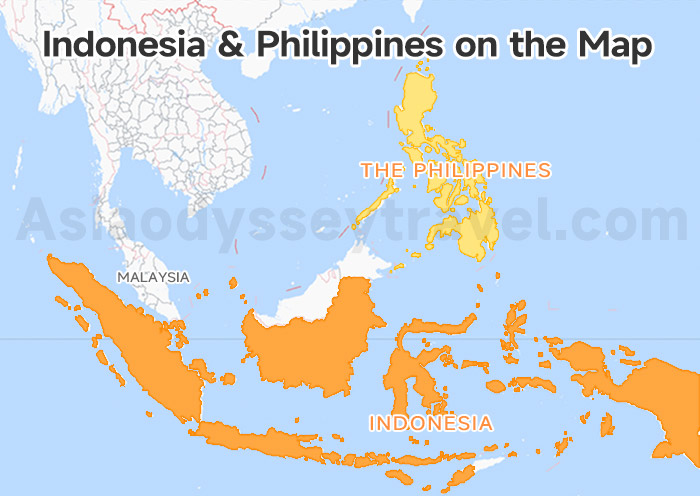
The impact was particularly acute in the Sangihe Islands, where the geographical isolation complicated relief efforts. Local officials and representatives, including members of the Indonesian House of Representatives, expressed concerns regarding the speed of aid distribution to affected citizens. Reports indicated that the combination of seismic damage and restricted access routes left several communities temporarily isolated, necessitating a coordinated effort between regional disaster management agencies and the central government to restore essential services.
Understanding the Regional Tectonic Context
Geological experts have pointed to the incident as a reminder of the “megathrust” potential within the region. The area where the Philippine Plate subducts beneath the Sunda Plate is known for high seismic potential, yet it is often overshadowed by other fault systems in the Indonesian archipelago. Analysts from various academic and research institutions have previously noted that the tectonic boundary connecting the Philippines and northern Sulawesi requires constant monitoring to better understand the recurrence intervals of large-scale earthquakes.
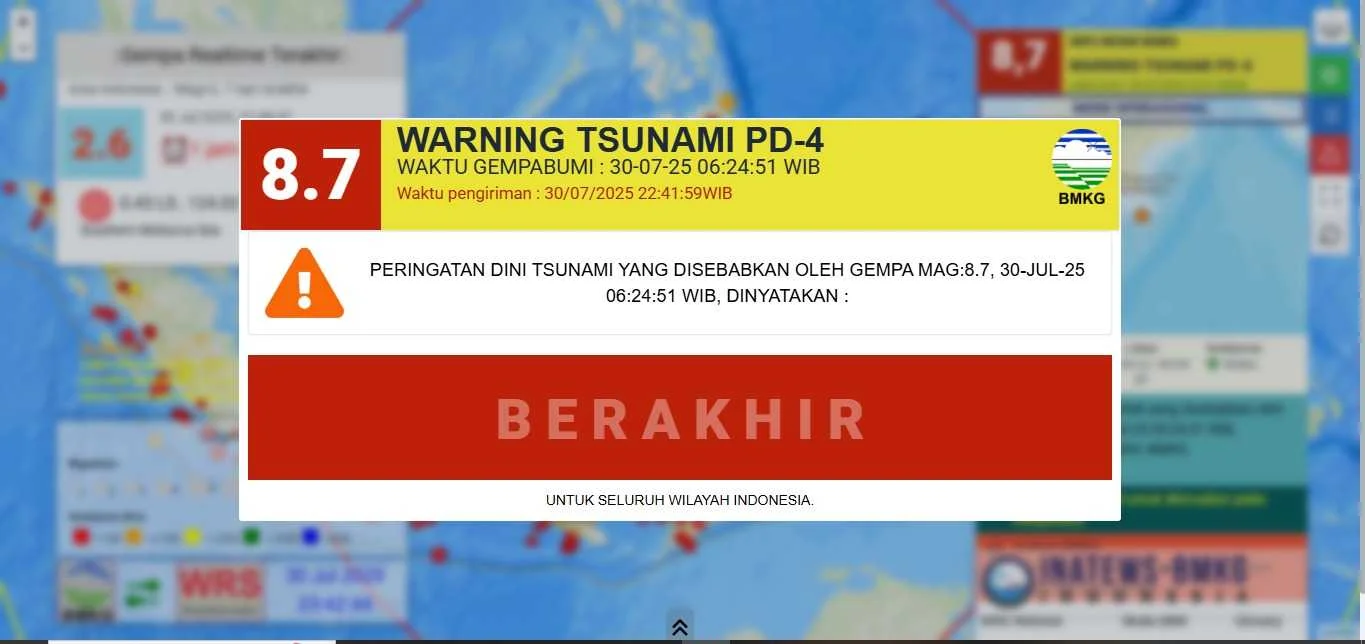
The BMKG continues to maintain a network of sensors across the North Sulawesi and Sangihe regions to track crustal deformation and sea-level changes. By utilizing real-time data from tide gauges and seismic stations, the agency aims to provide more localized and rapid information to residents. For those living in high-risk zones, the agency advises keeping informed through the official BMKG mobile application or their verified social media channels, which provide the most accurate updates during seismic events.
Safety and Preparedness Protocols
In the aftermath of the December activity, disaster mitigation remains a priority for local authorities in North Sulawesi. The government’s strategy focuses on improving community-level response times, ensuring that evacuation routes are clear and that public awareness of tsunami signs—such as the sudden recession of the shoreline or significant ground shaking—is prioritized. Regular drills and the maintenance of early warning sirens are part of the broader national framework for disaster risk reduction in Indonesia.
Residents in the Sangihe and Talaud regions are encouraged to verify information through official channels rather than relying on unconfirmed reports circulated on social media. The government continues to assess the structural integrity of public buildings following the recent tremors, and updates regarding recovery efforts and infrastructure repairs are expected to be released through regional government portals in the coming weeks. For further information on seismic safety, citizens can consult the National Disaster Management Agency (BNPB) website for comprehensive preparedness guidelines.
As the situation stabilizes, the focus shifts toward long-term recovery and the reinforcement of disaster-resilient infrastructure. The BMKG remains in a state of routine monitoring, ready to issue new alerts should seismic activity reach thresholds that pose a threat to public safety. Readers are invited to share their experiences or questions in the comments section below, and further updates will be provided as official reports are released by the relevant authorities.
Keep reading