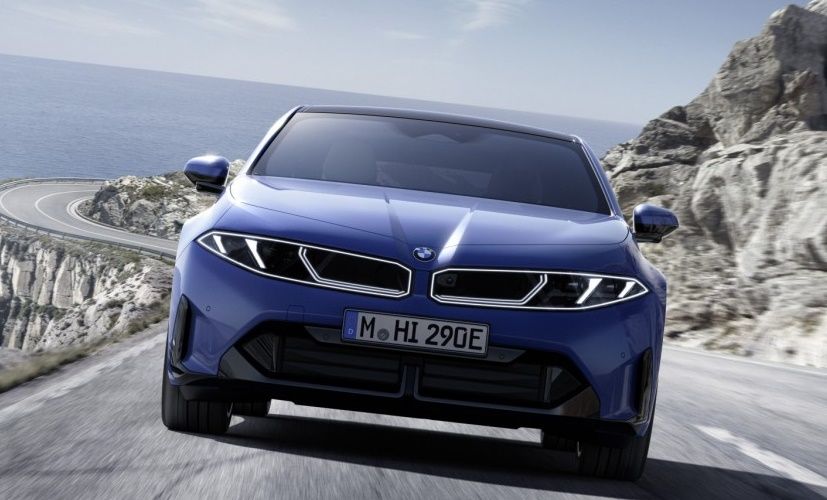
The BMW i3, a vehicle that redefined urban electric mobility for nearly a decade, has seen its market legacy finalized as production officially concluded in 2022. While recent discussions regarding pricing—often citing figures near 75,430 euros—circulate in automotive forums, these reflect the premium positioning of the model’s final editions rather than current showroom availability for new units. According to BMW Group’s official archives, the i3 was discontinued to make room for a new generation of electric vehicles, including the iX1 and the MINI Electric, marking the end of a unique chapter in sustainable automotive engineering.
For prospective buyers and automotive enthusiasts, understanding the i3’s market trajectory requires distinguishing between its original launch pricing and the elevated costs associated with its limited-run “HomeRun” final edition. The model, which first debuted in 2013, was characterized by its carbon-fiber-reinforced plastic (CFRP) passenger cell and a focus on sustainable manufacturing, as detailed in the BMW Group Press Release regarding the model’s production milestone of 250,000 units. The 75,430 euro price point often referenced in recent secondary market discourse typically pertains to these final, highly-optioned collector units rather than the base MSRP of the vehicle’s earlier lifecycle.
The Evolution of BMW’s Electric Strategy
The BMW i3 was more than just an electric car; it served as a platform for the company to experiment with lightweight materials and sustainable interior components. When it launched, the vehicle featured a revolutionary design that prioritized weight reduction to maximize range. Industry analysts at Reuters have noted that the i3’s architecture was ahead of its time, though its unconventional aesthetic and specialized production requirements made it a niche product compared to the mass-market electric SUVs that followed it.
As the automotive sector shifts toward standardized electric platforms, the i3 has been succeeded by vehicles that offer greater range and broader consumer appeal. The transition from the i3 to models like the BMW i4 and iX represents a strategic pivot toward electrification that integrates more seamlessly into the brand’s traditional manufacturing lines. This shift is part of a broader industry trend where manufacturers are prioritizing economies of scale to reduce the cost of battery electric vehicles (BEVs) for the global market.
Assessing Market Value and Collector Interest
Because the i3 is no longer in production, the secondary market has seen a stabilization in value, particularly for well-maintained examples. The figures occasionally cited in enthusiast circles often reflect a premium for the final-year models, which featured exclusive paint options and interior trims. According to market data from Kelley Blue Book, used electric vehicle pricing remains sensitive to battery health and technological updates, making the i3 a distinct case study in how early-generation EVs retain value compared to internal combustion engine vehicles.
For those interested in the current landscape of electric vehicle pricing, official guidance from manufacturers remains the most reliable source. BMW currently directs customers interested in compact electric mobility to the BMW iX1, which incorporates modern driver-assistance systems and improved charging architecture that were not available during the i3’s production run. Understanding these technological leaps is essential for any buyer comparing the legacy of the i3 with modern market offerings.
Frequently Asked Questions Regarding the i3
Is the BMW i3 still available to order new? No, production of the BMW i3 officially ended in mid-2022. Any new units currently appearing in listings are typically long-held inventory or special collector editions.
Why do some listings show prices as high as 75,430 euros? These prices generally refer to the final “HomeRun” edition models or specific high-spec configurations that have entered the collector’s market, rather than the original factory price of the base model.
What is the best alternative to the i3 in the current BMW lineup? The BMW iX1 is widely considered the spiritual and functional successor in terms of size and target demographic, offering a more traditional SUV-style crossover design with updated electric range capabilities.
As the automotive industry continues its rapid transition, the BMW i3 remains a significant point of reference for the development of urban mobility. Further updates regarding the brand’s future electric vehicle roadmaps and upcoming model releases will be provided through the official BMW Group newsroom as they become available. Readers are encouraged to share their experiences with the i3 or their thoughts on the evolution of the compact electric segment in the comments section below.
Worth a look