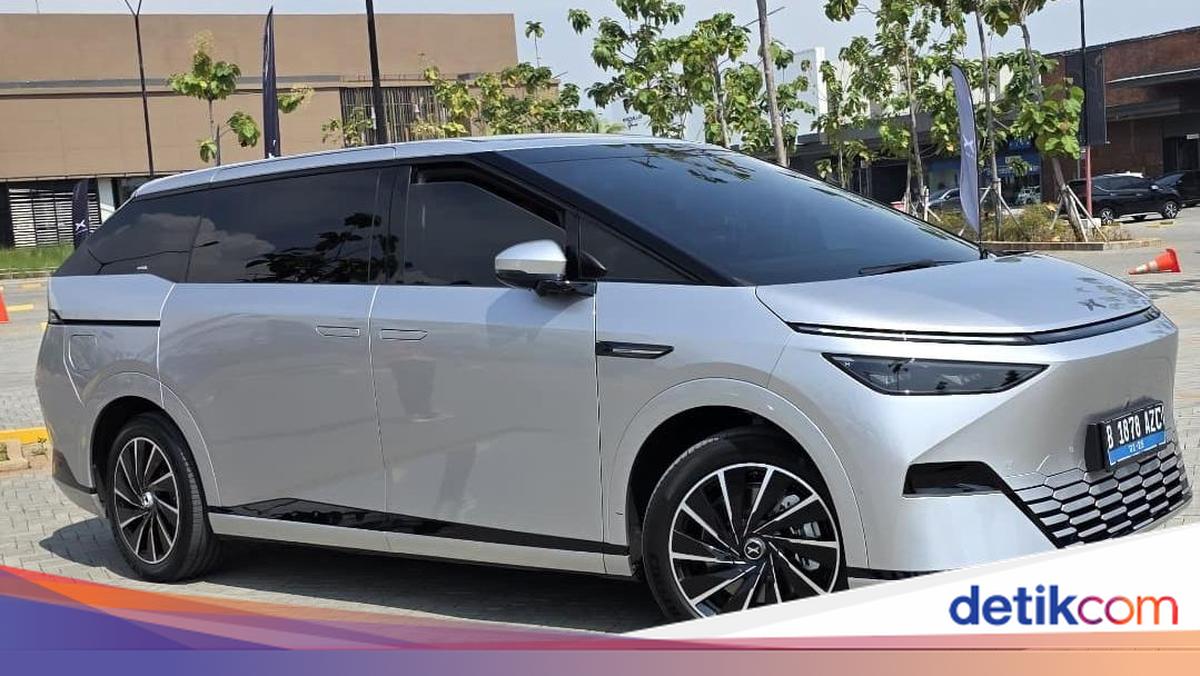
As Chinese premium automotive brands accelerate their expansion into Indonesia’s competitive market, established players like BMW are reassessing their strategic positioning amid shifting consumer preferences. The influx of over 20 Chinese automotive brands into Southeast Asia’s largest economy has intensified competition in the premium segment, prompting legacy manufacturers to emphasize heritage, driving experience and after-sales service as key differentiators.
According to Peter ‘Sunny’ Medalla, President Director of BMW Group Indonesia, the evolving landscape has fundamentally changed competitive dynamics over the past two years. Speaking at JIExpo in Kemayoran, Jakarta, Medalla acknowledged that although Chinese entrants offer attractive pricing, their impact has been more pronounced on Japanese and Korean marques than on BMW’s premium positioning. He noted that consumers who previously had no exposure to Chinese-made vehicles are now actively considering them, particularly due to compelling value propositions.
Medalla stressed that BMW’s confidence stems from its deep-rooted legacy, historical significance, and the intangible qualities embedded in its brand narrative—elements that cannot be replicated quickly by new entrants. “Many people ask what makes BMW different from other brands? It’s all about legacy, history, and the story behind BMW,” he stated, underscoring the automaker’s belief in enduring brand equity.
The surge in Chinese premium offerings coincides with broader market trends showing declining dominance of European brands in Indonesia’s top vehicle rankings. Data indicates that no European manufacturer featured among Indonesia’s ten best-selling vehicles in recent periods, highlighting the growing influence of Chinese and Japanese competitors in volume-driven segments.
Despite these shifts, BMW maintains that its core appeal lies beyond price points, focusing instead on delivering an exclusive driving experience supported by decades of engineering expertise and a comprehensive ownership ecosystem. The company continues to invest in customer engagement initiatives and service network enhancements to reinforce loyalty amid intensifying market competition.
Industry analysts observe that while Chinese brands are gaining traction through aggressive pricing and feature-rich models, established players are responding by emphasizing intangible brand attributes and long-term value propositions. This divergence in strategy reflects a broader segmentation within the premium market, where purchasing decisions increasingly balance tangible specifications against emotional and experiential factors.
Looking ahead, BMW Indonesia indicates it will monitor market developments closely while maintaining its focus on core brand strengths. Medalla suggested that the full implications of China’s automotive expansion may unfold over several years, particularly as consumer perceptions evolve and after-sales performance becomes a decisive factor in brand preference.
For consumers navigating this evolving landscape, experts recommend evaluating not only upfront costs and specifications but similarly long-term ownership considerations such as maintenance networks, resale value trends, and service quality—areas where legacy manufacturers often hold advantages rooted in operational maturity.
The ongoing transformation of Indonesia’s premium automotive sector underscores how globalization and shifting manufacturing capabilities are reshaping traditional market hierarchies, compelling established players to adapt while preserving the distinctive qualities that define their brand identity.
As of April 2026, no major policy changes or regulatory shifts specific to automotive imports have been announced by Indonesian authorities that would alter the current competitive environment. Industry stakeholders continue to await updates from the Ministry of Industry regarding potential revisions to vehicle importation frameworks or local content requirements.
Readers are encouraged to share their perspectives on how emerging automotive brands are influencing consumer choices in Southeast Asia’s growing markets. What factors weigh most heavily in your vehicle purchasing decisions—price, brand heritage, driving experience, or after-sales support?
Keep reading