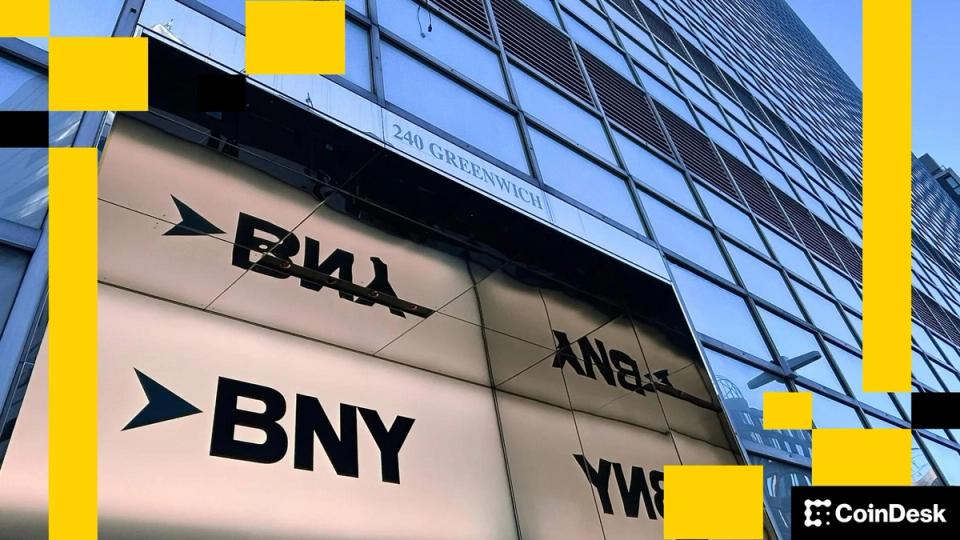
The financial landscape is undergoing a significant transformation, and institutional investors are increasingly looking to the future of finance: tokenized deposits. As of January 9, 2026, a major player, Bank of New York mellon, has launched a platform enabling its institutional clients to settle deposits using blockchain technology. This move signals a deepening adoption of digital assets within customary finance and opens up exciting possibilities for efficiency and transparency.But what does this really mean for you, and how will it impact the broader financial world?
Understanding Tokenized Deposits
Tokenized deposits represent a traditional deposit held at a financial institution, but represented as a digital token on a blockchain. Essentially, it’s a digital wrapper around a familiar financial product. Consider it like a digital IOU, but one that leverages the security and transparency of distributed ledger technology. This isn’t about creating a new currency; it’s about modernizing how existing assets are managed and transferred.
This innovation allows for near-instantaneous settlement, reduced counterparty risk, and potentially lower transaction costs. Traditionally, moving funds between institutions can take days, involving multiple intermediaries. Blockchain technology streamlines this process,offering a more efficient and secure alternative.
The Benefits for Institutional Investors
For large institutions managing significant funds, the advantages of tokenized deposits are considerable.
* Increased Efficiency: Faster settlement times mean capital can be deployed more quickly.
* Reduced Costs: Eliminating intermediaries lowers transaction fees.
* Enhanced Transparency: Blockchain’s immutable ledger provides a clear audit trail.
* Improved liquidity: Tokenization can unlock liquidity in previously illiquid assets.
* Greater Accessibility: It can broaden access to investment opportunities.
I’ve found that institutions are particularly interested in the potential for 24/7 trading and settlement, something not currently possible with traditional systems. This continuous availability can significantly improve capital utilization.
How Blockchain technology Powers the Change
At the heart of this shift is blockchain technology. It provides a secure, transparent, and decentralized platform for recording and verifying transactions. Here’s a simplified breakdown:
- Transaction Initiation: An institution initiates a deposit transaction.
- Token Creation: A digital token representing the deposit is created on the blockchain.
- Verification: The transaction is verified by a network of computers (nodes).
- Settlement: Once verified, the transaction is permanently recorded on the blockchain, and the funds are settled.
This process eliminates the need for a central authority to validate and settle transactions, reducing risk and increasing speed. The use of smart contracts – self-executing agreements written into the blockchain code – further automates and secures the process.
The Broader implications for Finance
The launch of tokenized deposits by a major financial institution like Bank of New York Mellon isn’t an isolated event. It’s part of a larger trend toward the integration of blockchain technology into traditional finance.
Here’s what we can expect to see in the coming years:
* Increased Adoption: More financial institutions will likely follow suit, offering tokenized versions of various financial products.
* Regulatory Clarity: Governments and regulatory bodies will need to establish clear frameworks for digital assets.
* interoperability: Different blockchain networks will need to be able to communicate with each other to facilitate seamless transactions.
* Innovation in Financial Products: Tokenization will enable the creation of new and innovative financial products and services.
This evolution isn’t without its challenges. Security concerns, regulatory uncertainty, and the need for skilled personnel are all hurdles that need to be addressed. However, the potential benefits are too significant to ignore.
The role of Institutional Adoption
The move by Bank of New York Mellon specifically targets institutional clients, which is a crucial step in mainstreaming blockchain technology.Institutional investors manage vast amounts of capital, and their participation is essential for driving widespread adoption. Their involvement lends credibility to the technology and encourages further innovation.
| Feature | Traditional Deposits | Tokenized Deposits |
|---|---|---|
| Settlement Time | Days | Near-Instantaneous |
| Transaction Costs | Higher | Lower |
| Transparency | Limited | high |
| Accessibility | Restricted | Potentially Broader |
Looking Ahead: The Future of Tokenized Assets
Tokenized deposits are just the beginning.The potential applications of blockchain technology in finance are vast. We’re already seeing tokenization being used for other assets, such as stocks, bonds, and real estate.
I believe that in the next decade, we’ll see a significant shift toward a more digital and decentralized financial system. This will empower investors, increase efficiency, and create new opportunities for economic growth. The key to success will be collaboration between traditional financial institutions and innovative blockchain companies.
Ultimately, tokenized deposits represent a fundamental change in how we think about and interact with money. It’s a change that promises to reshape the financial landscape for years to come.
Evergreen Insights: The Enduring value of Decentralization
While the specifics of blockchain technology may evolve, the underlying principles of decentralization, transparency, and security will remain relevant. These principles address fundamental flaws in traditional financial systems, such as single points of failure and lack of accountability. Understanding these core values is crucial for navigating the future of finance, nonetheless of the specific technologies that emerge.
Frequently Asked Questions About Tokenized Deposits
Q: What is the difference between a cryptocurrency and a tokenized deposit?
A: While both utilize blockchain technology, cryptocurrencies are designed to be independent currencies, whereas tokenized deposits represent a claim on traditional assets held by a financial institution.
Q: Are tokenized deposits safe?
A: The security of tokenized deposits depends on the underlying blockchain network and the security measures implemented by the financial institution. Reputable institutions employ robust security protocols to protect your assets.
Q: How will tokenized deposits affect my taxes?
A: The tax implications of tokenized deposits are still evolving and will depend on your specific circumstances. it’s best to consult with a tax professional for guidance.
Q: Can anyone use tokenized deposits?
A: Currently, tokenized deposit services are primarily available to institutional investors. Though, as the technology matures, it may become accessible to a wider range of users.
Q: What are the potential risks associated with tokenized deposits?
A: Potential risks include smart contract vulnerabilities, regulatory uncertainty, and the risk of loss due to hacking or fraud.
Q: How does tokenization improve liquidity in financial markets?
A: By dividing assets into smaller, more easily tradable units, tokenization unlocks liquidity that was previously trapped in illiquid investments.
Q: What role do smart contracts play in tokenized deposits?
A: Smart contracts automate the terms of the deposit agreement, ensuring that funds
Keep reading