
fat-derived Stem Cells: A New Hope for Spinal Fracture Repair & Osteoporosis Treatment
Are you or a loved one struggling with debilitating spinal fractures, particularly those linked to osteoporosis? the prospect of surgery and lengthy recovery times can be daunting.But what if a less invasive, naturally-derived solution could offer significant healing and restore quality of life? Emerging research suggests a promising path forward: utilizing stem cells harvested from your own body fat. This article delves into the groundbreaking work from Osaka Metropolitan University,exploring how adipose-derived stem cells (ADSCs) are revolutionizing the treatment of spinal fractures and offering a beacon of hope for the millions affected by osteoporosis.
The Growing Crisis of Osteoporotic Fractures
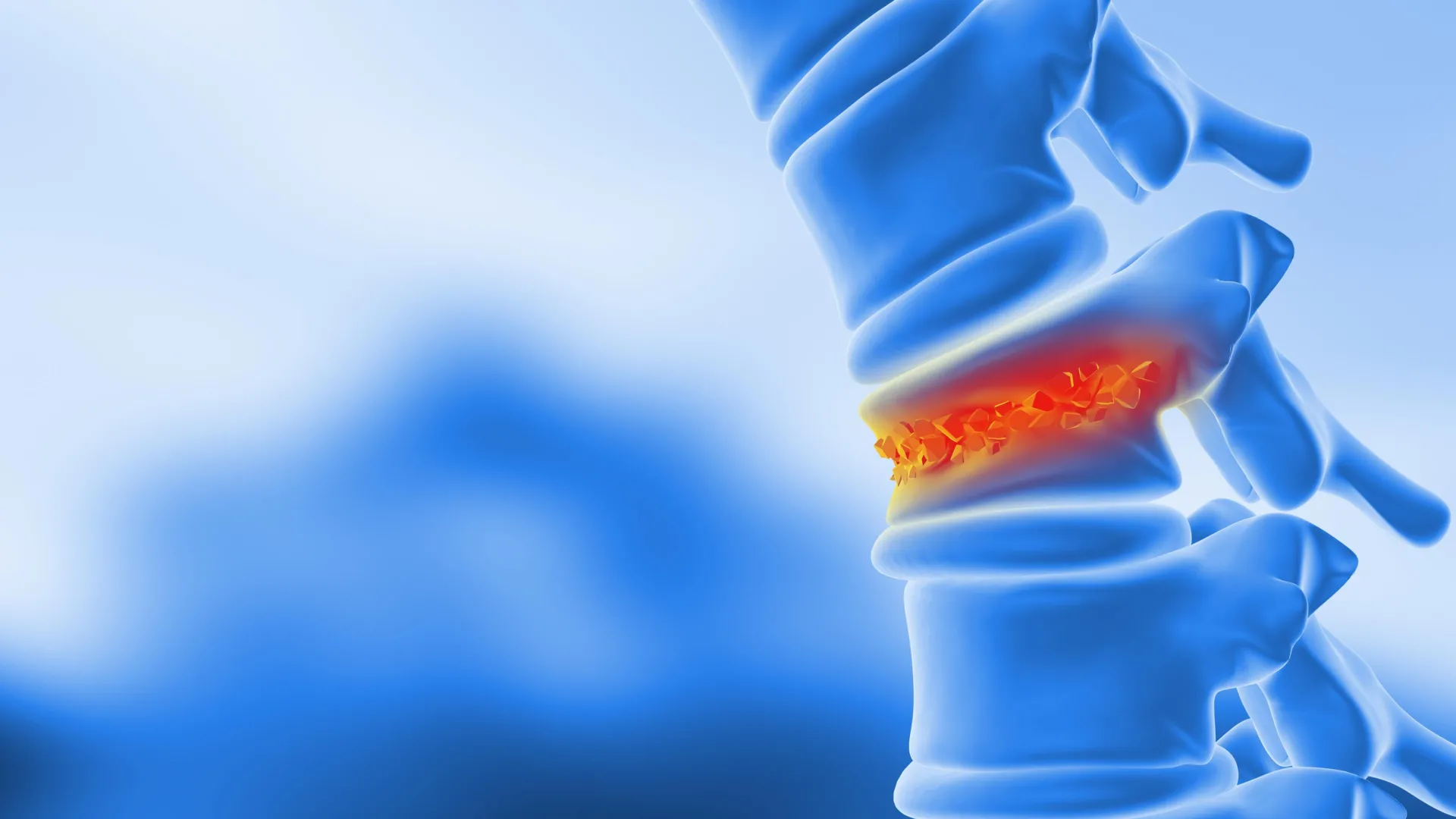
Osteoporosis, characterized by weakened bones, affects an estimated 10 million Americans and over 15 million Japanese individuals – a number projected to rise dramatically as global populations age. According to the National Osteoporosis Foundation, approximately one in two women and one in four men over the age of 50 will experience an osteoporosis-related fracture in their lifetime.Among thes, osteoporotic vertebral fractures (compression fractures of the spine) are particularly common and impactful, frequently enough leading to chronic pain, reduced mobility, and a diminished quality of life.Current treatments range from pain management and bracing to more invasive procedures like vertebroplasty and spinal fusion.However, these options aren’t without risks and limitations, fueling the search for gentler, more effective alternatives. Understanding bone density and its role in fracture risk is crucial for preventative care.
Harnessing the Power of adipose-Derived Stem Cells (ADSCs)
the key to this potential breakthrough lies in adipose-derived stem cells (ADSCs).These multipotent cells, readily available in body fat, possess the remarkable ability to differentiate into various cell types, including bone-forming cells called osteoblasts. unlike embryonic stem cells, ADSCs are ethically non-controversial and can be harvested with relative ease, even from older adults, minimizing donor site morbidity. This accessibility is a significant advantage, making them a viable option for a wider patient population.
But simply injecting ADSCs isn’t enough. Researchers have discovered that cultivating these cells into three-dimensional structures called spheroids dramatically enhances their regenerative capabilities. These spheroids mimic the natural habitat of bone formation, boosting their ability to promote tissue repair. Further “pre-differentiation” - guiding the spheroids to become bone-forming cells before implantation – amplifies this effect. This process is a cornerstone of the Osaka Metropolitan University research.
the Osaka Study: Healing Spinal Fractures in Rats
A recent study, published in Bone & Joint Research, led by Yuta Sawada and Dr. Shinji Takahashi, demonstrated the efficacy of this approach in a rat model mimicking osteoporosis-related spinal fractures. The team created bone-differentiated ADSC spheroids and combined them with β-tricalcium phosphate (β-TCP), a biocompatible material commonly used in bone grafts. This mixture was then applied to the fracture site in the rats.
The results were compelling. rats treated with the ADSC-β-TCP composite exhibited significant improvements in bone healing and increased bone strength compared to control groups. Crucially, the researchers observed a marked increase in the expression of genes associated with bone formation and regeneration, indicating that the treatment actively stimulated the body’s natural healing mechanisms.This suggests a biological response beyond simply filling the fracture site – the treatment actively encourages the body to rebuild bone tissue.
Beyond the Lab: What Does This Mean for Human Treatment?
While these findings are from animal studies,they represent a significant step forward. The potential benefits of this approach are numerous:
* Minimally Invasive: ADSC harvesting is a relatively simple procedure, requiring only a small amount of liposuction.
* Reduced Risk: Utilizing a patient’s own cells eliminates the risk of immune rejection.
* Enhanced Healing: Pre-differentiated spheroids maximize the regenerative potential of the stem cells.
* Improved Quality of Life: Prosperous fracture repair can alleviate pain, restore mobility, and improve overall well-being.
Dr. Takahashi emphasizes the simplicity and effectiveness of the method, suggesting it could even accelerate healing for complex fractures. The team envisions this technique becoming a new standard of care, helping patients extend their healthy lifespan.
Recent Advances & Ongoing Research (Updated November 2023)
The field of stem cell therapy for bone regeneration is rapidly evolving. A study published in Stem Cells Translational Medicine (October 2023) highlighted the importance of the extracellular matrix produced by ADSCs in promoting bone healing. Researchers found that the matrix provides a scaffold for new bone growth and delivers crucial signaling molecules. This reinforces the importance of spheroid cultivation, as





![Christmas Babies 2023: First Newborns Bring Joy to Parents | [Location – if applicable]](https://i0.wp.com/www.rte.ie/images/0023ac13-1600.jpg?resize=150%2C100&ssl=1 "Christmas Babies 2023: First Newborns Bring Joy to Parents | [Location – if applicable]")

