
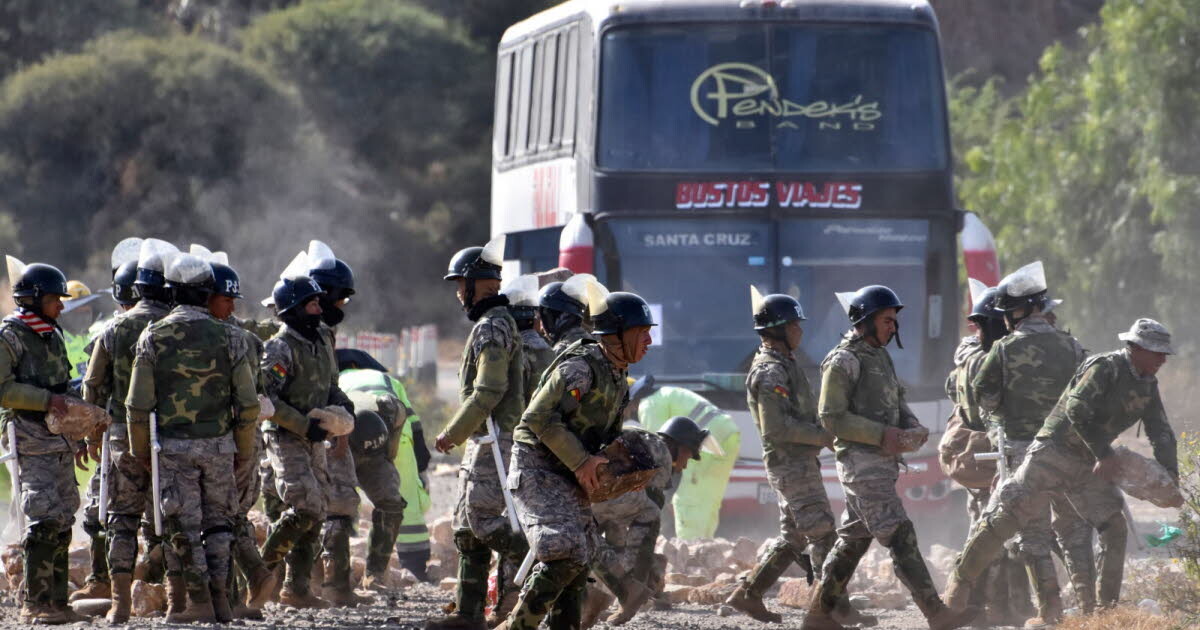
Bolivian authorities have begun clearing anti-government roadblocks that have paralyzed major transit routes and isolated cities, including the administrative capital, La Paz, following the implementation of a state of emergency. The clearance operations, reported by Reuters, follow a period of intense civil unrest that prompted the government to secure legislative support for emergency measures. Simultaneously, a tragic aviation accident involving a patrol aircraft has resulted in the deaths of six individuals, according to Associated Press reports.
The state of emergency, which grants the executive branch expanded powers to restore public order, was invoked amid mounting pressure from supporters of former President Evo Morales. Tensions have escalated significantly in recent weeks as protesters erected barricades across key highways, disrupting the supply of fuel, food, and medical goods to urban centers. The government’s decision to deploy security forces to dismantle these obstacles reflects an urgent effort to alleviate shortages and stabilize the national economy.
Legislative Support for Emergency Powers
The move to clear blockades gained legal backing after the Plurinational Legislative Assembly overwhelmingly ratified the presidential decree for a state of emergency. This constitutional mechanism allows the administration to bypass certain procedural hurdles to address the national crisis. According to official government statements, the priority remains the restoration of free movement and the protection of essential services for the civilian population.
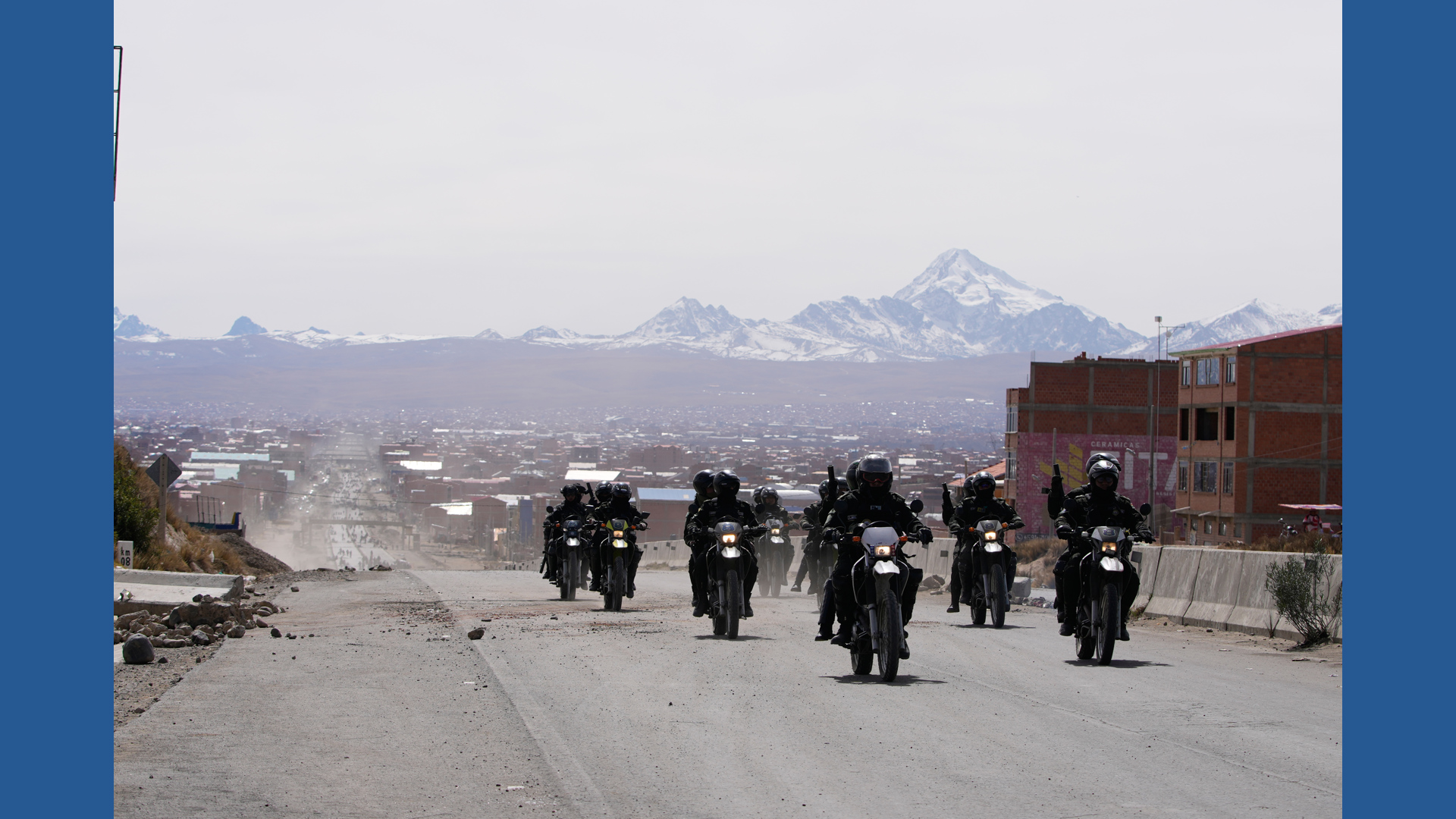
Critics of the administration, however, have raised concerns regarding the potential for human rights implications under the emergency decree. Human rights organizations, including the Office of the United Nations High Commissioner for Human Rights, have previously urged all parties in Bolivia to engage in dialogue and avoid the use of excessive force. The government maintains that the measures are temporary and intended solely to restore constitutional order and public safety.
Aviation Tragedy Amidst Civil Unrest
While security forces worked to reopen transit corridors, the nation faced a separate humanitarian disaster. An aircraft patrolling the affected regions crashed, resulting in the loss of six lives, the Associated Press confirmed. The victims included military personnel and civilian officials tasked with monitoring the security situation on the ground.
Authorities have initiated an investigation into the cause of the crash. While initial reports suggest poor weather conditions and the challenging terrain of the Andes may have played a role, the official inquiry remains ongoing. The loss of the aircraft is a significant blow to the logistical capabilities of the security forces currently tasked with managing the internal crisis. The Ministry of Defense has expressed condolences to the families of the deceased and pledged full transparency in the investigation of the incident.
Impact on the Bolivian Economy and Supply Chains
The blockade of major arteries, particularly those connecting the agricultural lowlands to the highland cities, has had an immediate impact on the cost of living. Data from the National Institute of Statistics of Bolivia indicates that food inflation has spiked in recent weeks due to the disruption of supply chains. Local businesses and agricultural producers have reported significant financial losses, as perishable goods have been left to spoil at various checkpoints.
For the average citizen in La Paz and Cochabamba, the primary concern remains the availability of fuel and basic commodities. The government has attempted to organize “humanitarian corridors” to facilitate the movement of essential goods, but the efficiency of these routes has been inconsistent. International observers are monitoring the situation closely, noting that the political polarization within the country continues to impede a long-term resolution to the underlying disputes.
What Happens Next
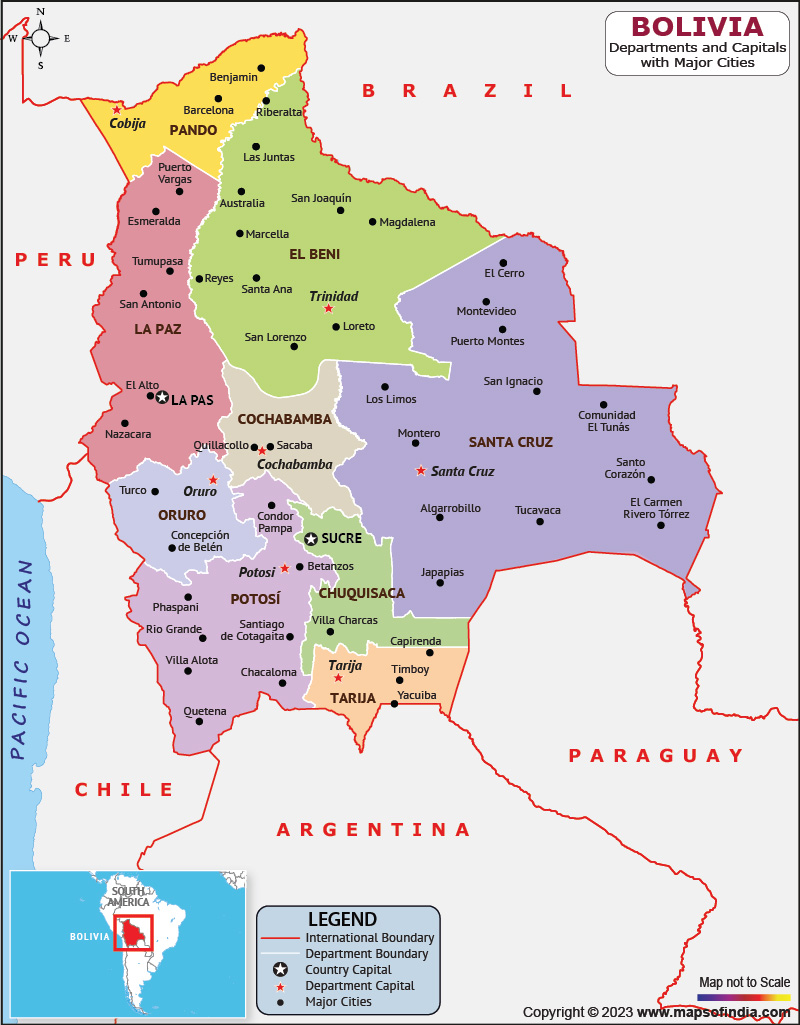
As the military and police continue their efforts to secure major highways, the focus will likely shift toward the political fallout of the state of emergency. The next major checkpoint for the administration will be the upcoming parliamentary session, where opposition leaders are expected to challenge the duration and scope of the emergency powers. For updates on the security situation and information regarding travel safety, citizens are encouraged to monitor official bulletins from the Bolivian Ministry of Government.
The situation remains fluid. As Maria Petrova, I will continue to track these developments closely for the World Today Journal. Please share your thoughts in the comments section below or join the conversation by sharing this report with your network.
Worth a look