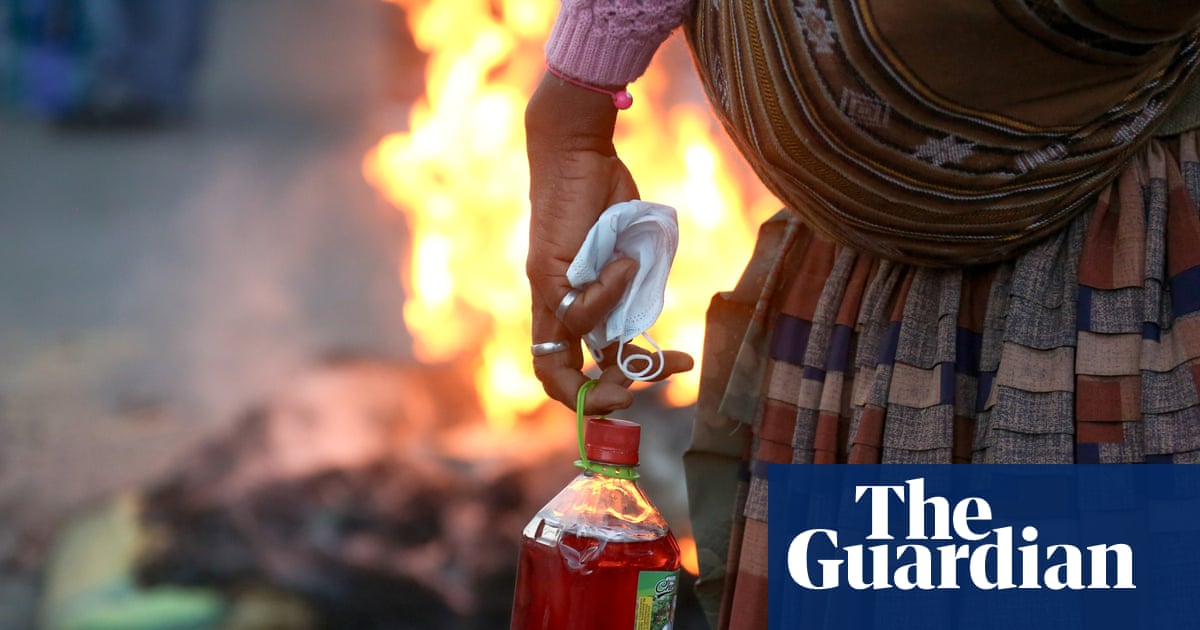
Indigenous groups and peasant farmers in Bolivia are mobilizing across the country to protest government policies that prioritize agribusiness expansion and mining interests over environmental protections and land rights. Demonstrations, including long-distance marches to La Paz, have intensified as critics argue that new legislative efforts risk accelerating deforestation and encroaching on protected territories.
The unrest centers on concerns that the current administration is dismantling environmental safeguards to favor industrial exploitation. For many local communities, the struggle is not merely political but existential, as they face the potential loss of ancestral lands and the destruction of the Amazonian ecosystems they rely on for survival.
The March to La Paz and the State of Emergency
In late April, protesters arrived in the Bolivian capital after a journey spanning hundreds of kilometers. Among them was Vivian Palomequi, a leader of a peasant farmers’ union based in the Amazon region. Palomequi and her colleagues have been vocal about the necessity of their actions, citing the urgency of the situation as the primary driver behind their decision to mobilize.
“We declared a state of emergency and started marching,” Palomequi stated, emphasizing that the group felt they had no other viable options to voice their opposition to policies they believe threaten their way of life. The marchers are specifically challenging legislative moves that they fear will facilitate rapid, large-scale land privatization and industrial clearing of forest land.
Policy Shifts and Industry Influence
The current tensions follow a series of appointments and policy decisions by the government that have drawn sharp criticism from environmental defenders. Reports indicate that the government has integrated individuals with direct backgrounds in the agro-industrial sector into key ministerial positions. Critics argue this creates an inherent conflict of interest, as those tasked with regulating the industry are now the same individuals who previously advocated for its expansion.

Furthermore, the government has moved to secure agreements that open previously protected areas to mining operations. According to human rights observers, this strategy has been accompanied by the increasing criminalization of environmental activists, who face legal pressure as they attempt to block industrial encroachment. The juxtaposition of these policies has led to a climate of deep mistrust between rural communities and the state.
Land Rights and Environmental Protection
The core of the conflict lies in the tension between national economic development goals and the protection of biodiversity. Bolivia’s Amazon region has long been a focal point for debates regarding land use. While the government maintains that industrial development is essential for national economic growth, indigenous and peasant organizations argue that this model is unsustainable and ignores the rights of those who have historically stewarded the land.
The legal framework governing these areas remains a central point of contention. Protesters are calling for greater transparency in land-use agreements and a return to policies that prioritize environmental impact assessments over industrial speed. For the communities involved, the preservation of the forest is not just a matter of conservation, but a fundamental requirement for their future stability and food security.
Next Steps in the Conflict
As of mid-2024, there has been no official announcement of a reversal or amendment to the policies in question. The situation remains fluid, with ongoing discussions between regional leaders and national representatives expected in the coming months. Observers are monitoring the upcoming legislative sessions in La Paz, where potential amendments to the disputed land laws may be debated.

The effectiveness of the current protests in shifting government policy remains to be seen. As the movement continues to gain visibility, international interest in the human rights and environmental conditions of the region has also increased. Readers interested in following these developments can monitor official bulletins from the Bolivian Plurinational Legislative Assembly for any upcoming hearings or proposed changes to land management legislation.
We encourage our readers to share their perspectives on these developments in the comments section below. Your engagement helps maintain a global dialogue on the intersection of economic policy and human rights.
Keep reading