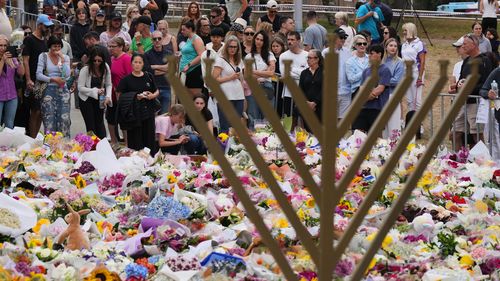
Understanding Australia’s National Terrorism Threat Level: A Deep Dive
The recent tragic events have understandably focused attention on Australia’s national security posture. Before the attack, Australia’s terrorism threat level was set at “probable,” a designation that hadn’t been altered for over eight years until a temporary reduction in November 2022. But what does “probable” truly mean for everyday Australians? This article will unpack the intricacies of Australia’s threat level system, explore the factors influencing these assessments, and provide context on the current landscape, ensuring you have a thorough understanding of the risks and responses. We’ll delve into the role of ASIO, the implications for public safety, and what this means for the future of national security.
What Does “probable” Actually signify?
the australian national terrorism threat level isn’t a static measure; it’s a dynamic assessment crafted by intelligence and security agencies, primarily the Australian Security Intelligence Organisation (ASIO). “Probable,” as defined by the Australian Government, indicates that a terrorist attack is considered plausible, wiht a greater than 50% chance of occurring. This isn’t to suggest an imminent attack is guaranteed, but rather that credible intelligence suggests a notable possibility.
It’s crucial to understand that lowering the threat level in November 2022, as reported by the ABC, didn’t equate to the elimination of risk. Government officials explicitly stated that the reduction reflected a change in the assessed likelihood,not a disappearance of the threat altogether. The system is designed to be responsive to evolving intelligence, and a single incident, while deeply concerning, doesn’t automatically trigger an escalation.
The Role of ASIO and Intelligence gathering
ASIO Director-General Mike Burgess has consistently emphasized a measured approach to threat level adjustments. Following the recent attack, he stated that he didn’t foresee an immediate change to the “probable” designation. This highlights a key principle: threat levels are determined by broader trends and ongoing assessments, not solely by isolated incidents.
ASIO’s work involves continuous monitoring of potential threats, both domestically and internationally. This includes investigating individuals and groups suspected of terrorist activity, analyzing intelligence data, and collaborating with international partners. According to ASIO’s annual reports, their focus extends beyond traditional terrorist groups to include lone actors and individuals inspired by extremist ideologies. Recent research from the Lowy Institute indicates a growing concern regarding the radicalization of individuals online, presenting a significant challenge for intelligence agencies.
Beyond “Probable”: Understanding the Threat Level Spectrum
Australia employs a five-tiered threat assessment system:
* Certain: A terrorist attack is expected to occur.
* Expected: A terrorist attack is highly likely to occur.
* Probable: A terrorist attack is plausible and could occur. (Currently Active)
* Possible: A terrorist attack could occur, but isn’t considered likely.
* Not Expected: A terrorist attack is not expected.
Each level triggers specific responses from law enforcement and security agencies,ranging from increased surveillance and security measures to public awareness campaigns. Understanding this spectrum helps contextualize the current “probable” designation.
Investigating potential Connections and Future Threats
In the wake of the attack, investigations are actively underway to determine if the perpetrators acted alone or were part of a larger network. Burgess confirmed that ASIO is actively investigating any potential connections and assessing whether others share similar intent.
This proactive approach is critical. the focus isn’t just on responding to attacks but on preventing them in the first place. This involves disrupting potential plots,countering extremist narratives,and working with communities to identify and address radicalization risks. The Australian government’s Counter-Terrorism Strategy outlines a comprehensive framework for addressing these challenges.
Long-Term Implications and the Evolving Threat Landscape
The nature of radicalization and terrorist threats is constantly evolving. The rise of online extremism, the proliferation of encrypted interaction platforms, and the increasing complexity of geopolitical conflicts all contribute to a more challenging security habitat. The 2023-24 Australian Cyber Security Center (ACSC) Annual Cyber Threat Report highlights the increasing sophistication