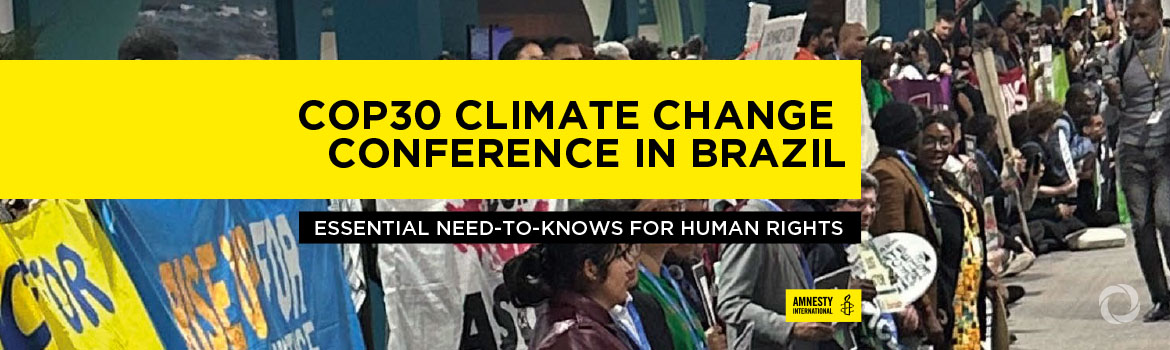
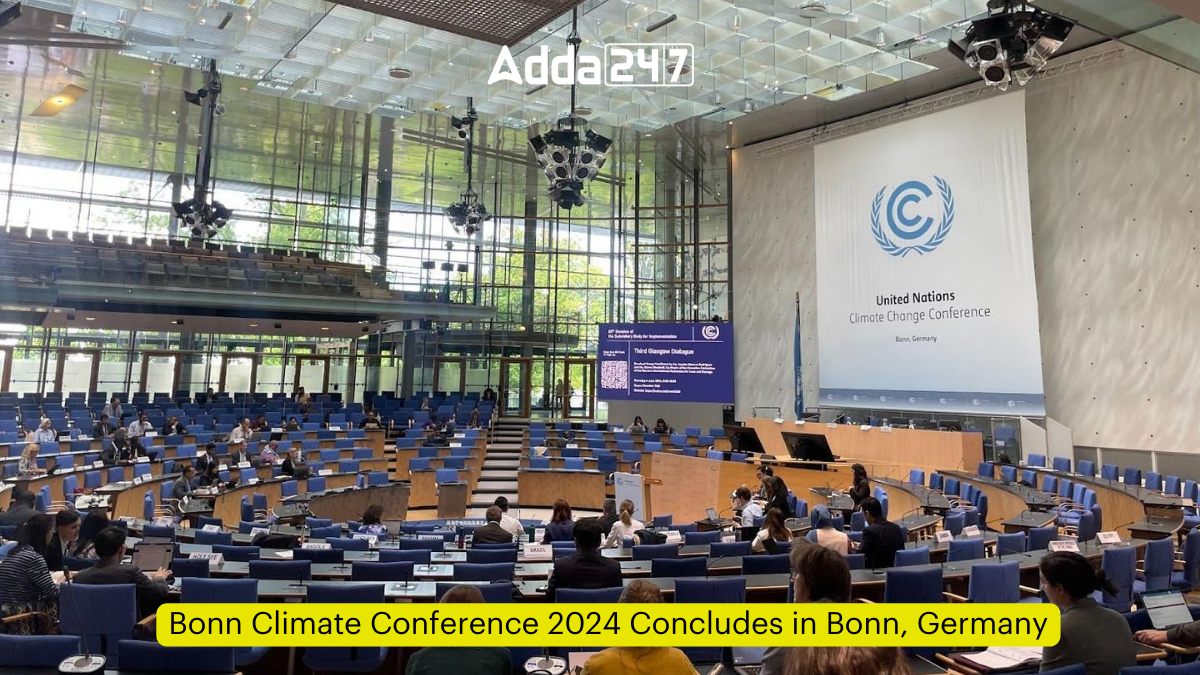
As the international community prepares for the upcoming June Climate Meetings in Bonn, Germany, a critical spotlight is being placed on the intersection of environmental policy and human rights. For policymakers and delegates, these sessions represent more than a routine technical dialogue; they serve as a pivotal testing ground for the ambitions that will define the COP31 climate summit, scheduled to be held in Antalya, Türkiye, in November 2026. Experts are calling for a decisive shift, urging governments to move beyond mere rhetoric and toward an actionable, rights-centric agenda that protects the most vulnerable populations from the escalating impacts of climate change.
The urgency of these negotiations cannot be overstated. As the global climate crisis intensifies, the necessity of integrating human rights into environmental governance has become a central pillar of international discourse. This focus follows significant developments in the legal landscape, including the landmark International Court of Justice (ICJ) Advisory Opinion on climate change, which has prompted recent United Nations General Assembly (UNGA) resolutions aimed at clarifying state obligations. For many, the Bonn talks are the primary opportunity to translate these high-level commitments into concrete,, legally grounded mechanisms that prioritize equity, justice, and the protection of civic space.
At the heart of the debate is the fundamental argument that climate action is not merely a scientific or economic endeavor, but a human rights imperative. When environmental strategies overlook the rights of Indigenous Peoples, marginalized communities, and environmental human rights defenders, they often fail to achieve sustainable or effective results. As we head into the mid-year sessions, the international community is watching to see if major economies will commit to a just transition—a process that must be fast, fair, and adequately funded to ensure that those least responsible for the crisis are not left to bear its heaviest costs.
Shifting the Pendulum: From Rhetoric to Delivery
The Bonn sessions, scheduled from June 8 to June 18, 2026, are designed to lay the groundwork for COP31. To be considered successful, observers argue that these meetings must produce tangible progress on several key fronts, most notably the phase-out of fossil fuels and the scaling up of climate finance. The current trajectory of global climate finance remains a point of significant contention. According to data provided by the United Nations Framework Convention on Climate Change (UNFCCC), the financial needs of lower-income nations for mitigation and adaptation are estimated at between USD 5 trillion and USD 6 trillion by 2030. These figures underscore a massive shortfall in current funding mechanisms, particularly when compared to the USD 300 billion per year target established at COP29 for 2035.
The gap in adaptation finance is particularly acute, leaving many developing nations to manage climate-related disasters with insufficient resources. Critics of the current financial landscape point out that while the resources exist, their allocation is a matter of political choice. There is a growing demand for major polluters to be held accountable for the loss and damage caused by their emissions. The establishment of the Fund for Responding to Loss and Damage was a historic step, but its effectiveness depends entirely on whether it is fully funded, human-rights compliant, and accessible to the communities that need it most.
A just transition must also address the necessity of ending fossil fuel subsidies while protecting lower-income households from the economic shocks of shifting energy markets. This requires a shift toward grants-based finance rather than debt-heavy loans, ensuring that vulnerable countries can invest in resilient infrastructure without compromising their long-term economic stability. By prioritizing these financial commitments in Bonn, governments can signal a credible intent to deliver on the promises made at previous summits.
Ensuring Access and Protecting Civic Space
A central test of the Bonn meetings will be the inclusivity of the process itself. For climate negotiations to be legitimate, they must be open and accessible to those most affected by environmental degradation. This includes creating a secure and welcoming environment for Indigenous Peoples, grassroots activists, and civil society organizations. Concerns regarding visa accessibility for delegates from the Global South remain a recurring issue in international climate diplomacy, often acting as a barrier to meaningful participation.
To address these challenges, Notice calls for the implementation of a dedicated, streamlined UNFCCC visa process for all participants. As Germany hosts these preparatory talks, there is an expectation that the rights of all attendees to express their views and participate in peaceful demonstrations will be upheld without fear of reprisal. The inclusion of diverse voices—particularly those from frontline communities who possess deep traditional knowledge and a firsthand understanding of climate impacts—is essential for crafting policies that are both equitable and effective.
The protection of civic space is not just a procedural concern; it is a prerequisite for justice. When environmental human rights defenders are silenced or sidelined, the quality of climate decision-making suffers. In the lead-up to the Antalya summit, host countries—including Türkiye and Australia—must work to ensure that the negotiating space remains a venue where the most pressing human rights concerns are heard and integrated into the final outcomes.
Key Priorities for the Bonn Climate Meetings
As delegates gather in Germany, the following areas have been identified as critical for achieving a human rights-consistent agenda:
- Equitable Phase-out: Committing to a full, fast, and fair transition away from fossil fuels, with specific protections for lower-income populations affected by subsidy removals.
- Scaled-up Climate Finance: Moving toward primarily grants-based funding to meet the estimated USD 5-6 trillion requirement for mitigation and adaptation by 2030.
- Reparative Justice: Strengthening the Fund for Responding to Loss and Damage through an ambitious resource mobilization strategy that centers on the rights of impacted groups.
- Meaningful Participation: Guaranteeing that Indigenous Peoples and environmental defenders have a seat at the table, supported by accessible visa processes and the protection of civic space.
- Human Rights Compliance: Ensuring that the Just Transition Mechanism, as outlined in previous COP agreements, is fully operational and guided by the principles of free, prior, and informed consent.
The challenges facing the international community are profound, but the path forward is clear: climate action that ignores human rights is inherently unjust and ultimately less effective. By anchoring the upcoming negotiations in Bonn to the principles of equity and accountability, governments have the opportunity to shift the pendulum toward a more sustainable and dignified future. The world is watching to see whether the commitments made in various resolutions and advisory opinions will be transformed into the concrete, actionable policies that the planet so desperately requires.
As the June 2026 meetings conclude, the attention of the international community will shift toward the final preparations for COP31 in Antalya. The outcomes of the Bonn talks will serve as the primary indicator of the political will available to address the climate crisis at the scale required. We invite our readers to follow our ongoing coverage of these negotiations and to share their perspectives on the role of human rights in global climate policy as we move toward the November summit.
Keep reading