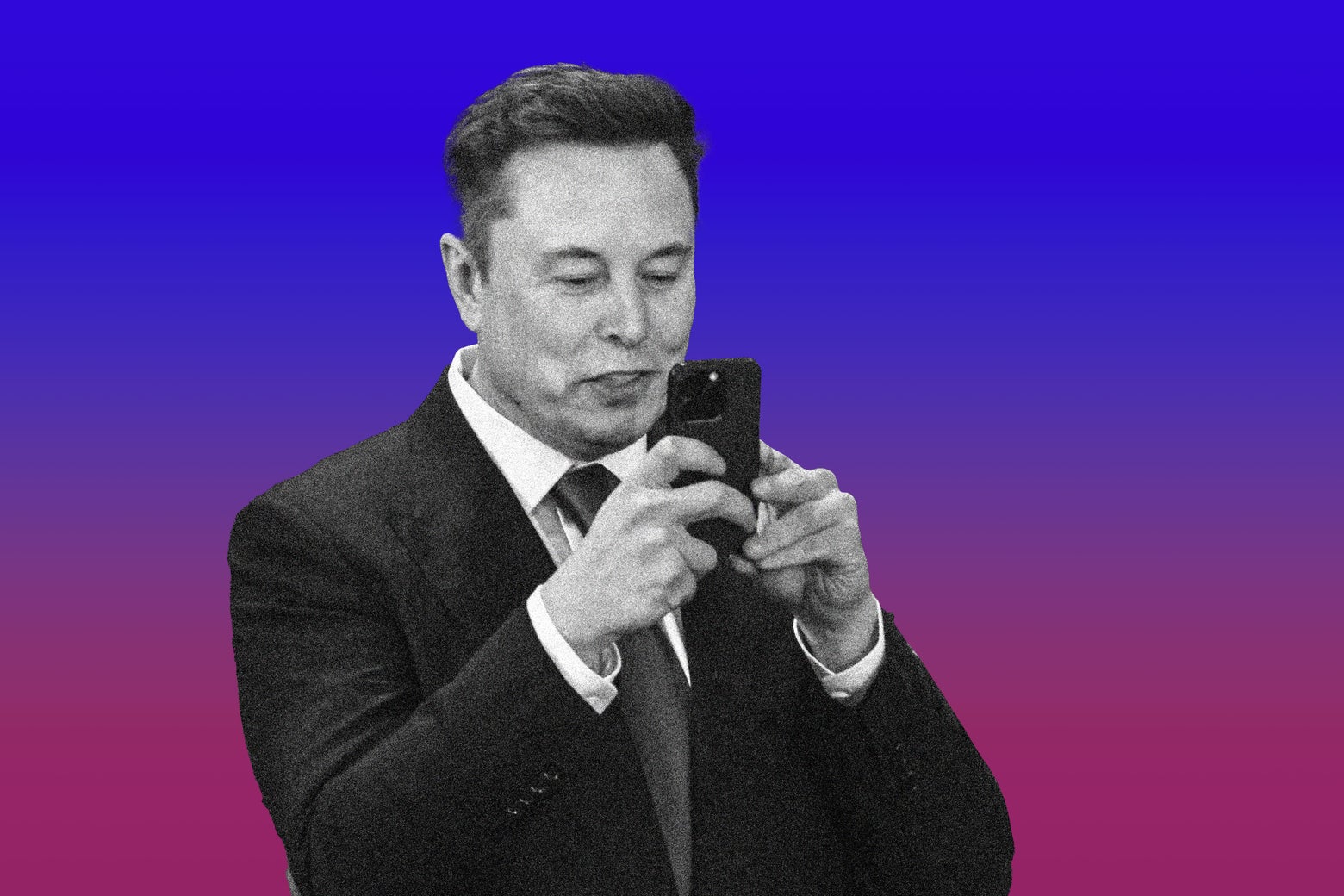
Elon Musk’s continued high-frequency activity on the social media platform X has drawn renewed scrutiny from market analysts and corporate governance experts regarding the impact of his digital presence on the valuation of his broader business portfolio. As of late 2024, the billionaire’s public comments and frequent posts remain a primary focal point for investors tracking the stability of Tesla, SpaceX, and the platform formerly known as Twitter. While Musk maintains that his engagement is a core component of his business strategy, financial observers are increasingly debating whether such a heavy digital footprint creates a net positive or a distraction for shareholders.
The intersection of personal branding and corporate leadership has long been a subject of interest in financial circles, but Musk’s approach represents a departure from traditional executive communication. According to Reuters, Musk’s management style at X has been characterized by significant shifts in content moderation and internal operations since his $44 billion acquisition in October 2022. For investors, the concern centers on whether the time and energy dedicated to platform management—and the associated controversies—detract from his primary responsibilities at Tesla, where he serves as CEO.
The Impact of Executive Presence on Shareholder Value
The relationship between a CEO’s personal social media activity and company stock performance is complex, yet data suggests that high-profile volatility can influence market sentiment. In the case of Tesla, Inc., the company’s share price has historically reacted to Musk’s statements, ranging from announcements about production targets to off-the-cuff remarks regarding economic policy. Financial analysts often categorize this as “key-person risk,” a term used to describe the vulnerability of a company to the actions or absence of a single individual.
According to filings with the U.S. Securities and Exchange Commission (SEC), Tesla has disclosed in its risk factors that the loss or reduction of Musk’s services could negatively affect the company’s business operations. While the company has not explicitly blamed his social media usage for volatility, institutional investors have frequently raised questions during quarterly earnings calls about how Musk balances his time across his various ventures, including xAI and Neuralink. The challenge for shareholders is quantifying the “Musk premium”—the value added by his vision versus the potential discount applied due to his unpredictable public profile.
Regulatory Oversight and Corporate Governance
Musk’s digital presence has also intersected with legal and regulatory frameworks, most notably in his ongoing relationship with the SEC. Following a 2018 agreement, Musk was required to have certain public communications regarding Tesla’s finances reviewed by legal counsel, a condition that was later challenged and modified in federal court, as reported by The Wall Street Journal. This history of regulatory friction underscores the sensitivity of executive communication for publicly traded entities.
Corporate governance experts argue that for a trillion-dollar enterprise, the distinction between personal expression and official corporate communication becomes blurred. When an executive with Musk’s reach comments on global events, political figures, or market trends, the market often struggles to discern whether these are personal musings or signals of future corporate strategy. This ambiguity can lead to short-term volatility, which, while lucrative for day traders, often complicates long-term institutional investment strategies.
Comparing Perspectives on Digital Engagement
The debate over whether Musk should scale back his activity is divided between those who view his transparency as a necessary evolution of executive leadership and those who believe it violates traditional norms of corporate decorum. Supporters argue that Musk’s direct-to-consumer communication bypasses traditional media gatekeepers, allowing him to cultivate a loyal base of customers and talent who feel connected to his mission. This, they suggest, reduces marketing costs and fosters a unique brand identity that competitors find difficult to replicate.
Conversely, critics point to the potential for reputational damage. When an executive engages in polarizing discourse, there is a risk that the brand becomes associated with those controversies. For a company like Tesla, which relies on a broad consumer base, the risk of alienating potential buyers through divisive social media activity is a tangible concern. As noted in reports from the Financial Times, the correlation between Musk’s public controversies and the brand’s perception in key markets like Europe and China has become a metric for brand health that investors are now tracking more closely.
Looking Ahead: What Investors Are Watching
For shareholders, the next major indicator of how Musk’s dual roles will evolve will likely emerge during upcoming Tesla shareholder meetings and quarterly earnings reports. Investors are expected to continue monitoring the progress of Tesla’s autonomous driving initiatives and the rollout of new vehicle models, which are viewed as the fundamental drivers of the company’s valuation. Any shift in Musk’s communication strategy—or a formal move to delegate more operational authority—would likely be interpreted as a response to these ongoing governance concerns.

The broader question of whether an executive can effectively “log off” while leading multiple high-growth companies remains unanswered. As the global economy faces ongoing inflationary pressures and shifting automotive market dynamics, the stability of leadership at the helm of companies like Tesla will remain a central theme for market analysts. Readers interested in following these developments are encouraged to monitor official Tesla investor relations filings and upcoming SEC disclosures, which provide the most accurate and legally binding view of the company’s internal governance and strategic direction.
We invite our readers to share their thoughts on the role of social media in modern corporate leadership. Does an executive’s personal brand help or hinder the companies they lead? Join the conversation in the comments section below.
Worth a look