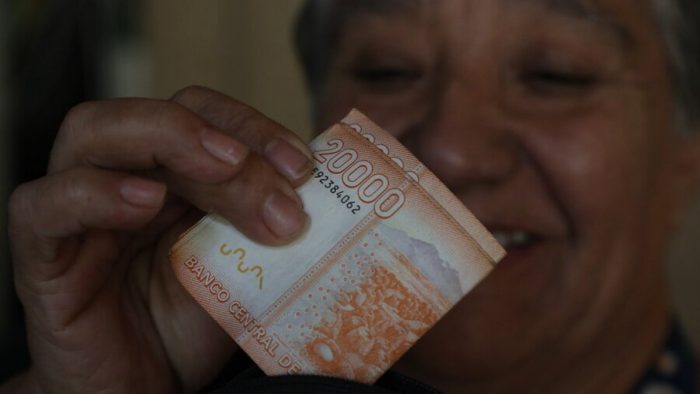
Navigating the intersection of motherhood, career, and financial stability remains one of the most significant challenges for women in the modern global economy. In Chile, the government has implemented a strategic framework of financial incentives and social safety nets designed to mitigate these pressures. From targeted employment bonuses to maternal subsidies, these programs aim to reduce the gender gap in the labor market while ensuring that the fundamental needs of families are met during critical transition periods.
For many Chilean women, the ability to balance professional aspirations with domestic responsibilities often hinges on the availability of state support. These subsidies are not merely financial transfers. they are economic tools intended to encourage formal employment and protect the most vulnerable sectors of the population. By lowering the barriers to entry for the workforce and providing a cushion for new mothers, the Chilean state seeks to enhance the overall productivity and socioeconomic resilience of the nation.
Central to this entire system is the Registro Social de Hogares (RSH), the socioeconomic classification tool that determines eligibility for nearly every state benefit. Understanding how to navigate the RSH is the first and most critical step for any woman seeking to access the bonuses and subsidies available in 2026. Without an updated and accurate RSH profile, the gateway to these essential financial resources remains closed.
As we analyze the current landscape of these benefits, the focus has shifted toward “active” support—incentivizing women to stay in or enter the formal economy while providing a robust safety net for those in the early stages of motherhood. This dual approach acknowledges the economic reality that childcare and domestic labor often act as hidden taxes on women’s professional growth.
The Gateway to Support: Understanding the Registro Social de Hogares (RSH)
Before applying for any specific bonus, it is essential to understand the role of the Registro Social de Hogares (RSH). This system replaces older, fragmented methods of measuring poverty and vulnerability with a single, integrated database. The RSH uses an algorithmic approach to assign a percentage to each household, representing their socioeconomic position relative to the rest of the population.
Most subsidies for women are tiered based on this percentage. For instance, many benefits are reserved for those in the lowest 40% or 60% of the socioeconomic distribution. Because the RSH is dynamic—updating based on changes in income, household composition, or assets—it is imperative that women keep their information current. A failure to report a change in household status can lead to a loss of benefits or, conversely, a missed opportunity to qualify for new subsidies.
The RSH does not just track income; it looks at “vulnerability factors,” such as the presence of children under the age of two, elderly dependents, or individuals with disabilities. For women, these factors are often the primary drivers for qualifying for maternal and family-oriented subsidies, as they reflect the higher cost of living and care associated with these roles.
Bridging the Gap: The Bono al Trabajo de la Mujer (BTM)
One of the most impactful instruments for female economic empowerment in Chile is the Bono al Trabajo de la Mujer (BTM). Unlike traditional welfare, the BTM is an incentive-based subsidy designed specifically to encourage women to enter the formal labor market and remain employed. It recognizes that the cost of entering the workforce—such as childcare, transportation, and clothing—can often outweigh the initial wages for women in lower socioeconomic brackets.
To qualify for the BTM, women generally must meet several criteria, including being registered in the Servicio Nacional de Capacitación y Empleo (SENCE) and falling within the lower socioeconomic percentages of the RSH (typically the lowest 60%). Eligibility also depends on the woman’s employment status; the bonus is intended for those who are actively working, whether in formal employment with a contract or as independent workers who contribute to the social security system.

From an economic perspective, the BTM serves as a “wage supplement.” By providing a direct cash transfer, the government effectively increases the net income of working women, making formal employment more attractive than informal labor or staying out of the workforce entirely. This not only improves the immediate financial standing of the household but also helps women build a history of social security contributions, which is vital for their future pension stability.
The BTM is typically paid in installments, and its continuity depends on the recipient maintaining their employment status and their RSH classification. This structure ensures that the funds are directed toward those who are actively contributing to the economy while still requiring support to maintain their professional trajectory.
Maternal Support and Family Welfare Subsidies
Beyond employment incentives, the Chilean state provides a suite of subsidies focused on the period of pregnancy, childbirth, and early childhood. These are designed to protect the health of both the mother and the child while preventing a total collapse of household income during maternity leave.
The Subsidio Único Familiar (SUF) is a cornerstone of this support system. While not exclusive to women, it is predominantly managed by mothers who are the primary caregivers. The SUF provides a monthly payment to families in situations of vulnerability who have dependents, such as children or adolescents. This subsidy is crucial for covering the rising costs of nutrition and healthcare for infants, ensuring that a child’s early development is not compromised by the family’s financial instability.

specific maternal subsidies often integrate with the public health system, FONASA. These benefits may include prenatal care packages and postnatal support, which are essential for reducing maternal mortality and improving neonatal outcomes. In the context of 2026, there has been an increased emphasis on mental health support for new mothers, recognizing that postpartum depression and anxiety are significant barriers to both family well-being and a woman’s eventual return to the workforce.
The synergy between the SUF and maternal health grants creates a safety net that allows women to focus on the critical first months of a child’s life without the immediate pressure of returning to low-wage labor. When these subsidies are paired with the BTM upon the woman’s return to work, the result is a comprehensive lifecycle of support that transitions from care-based assistance to employment-based empowerment.
Practical Guide: How to Access and Maintain Benefits
For many women, the complexity of the bureaucracy can be a barrier to accessing the help they are entitled to. The Chilean government has centralized most of these processes through the ChileAtiende portal, which serves as a one-stop shop for social services.

To ensure a successful application for any bonus or subsidy, women should follow these strategic steps:
- Verify RSH Status: Log into the Registro Social de Hogares portal using a ClaveÚnica to ensure all household data is current. If there has been a change in income or a new child in the home, this must be updated immediately.
- Consult ChileAtiende: Use the ChileAtiende search tool to identify which specific bonuses (BTM, SUF, etc.) match their current profile.
- Prepare Documentation: Have digital copies of the ClaveÚnica, identity documents, and, in the case of the BTM, proof of employment or social security contributions.
- Monitor Payment Dates: Most subsidies have specific disbursement calendars. Regularly checking the official portals prevents missed payments and allows for better household budgeting.
It is also important to note that some benefits are granted automatically based on RSH data, while others require a proactive application. The BTM, for example, often requires verification of employment through SENCE, whereas the SUF may require a more direct application process through the relevant municipal or social security office.
The Broader Economic Impact: Why These Subsidies Matter
As a financial analyst, it is important to look beyond the individual checks and examine the macroeconomic implications of these policies. The “motherhood penalty”—the loss of lifetime earnings and career progression experienced by women after having children—is a global phenomenon. By implementing the BTM and maternal subsidies, Chile is attempting to flatten this penalty curve.
When the state subsidizes the cost of entering the workforce for women, it increases the total labor force participation rate. A higher participation rate leads to increased GDP, a broader tax base, and reduced dependency on long-term welfare. By supporting maternal health and early childhood nutrition via the SUF, the government is investing in the “human capital” of the next generation. Children who grow up in financially stable environments with healthy mothers are more likely to achieve better educational outcomes, creating a positive feedback loop for the national economy.
However, the effectiveness of these subsidies is often limited by the availability of affordable, high-quality childcare. While the BTM provides the financial incentive to work, the physical infrastructure of childcare remains a critical bottleneck. For these subsidies to reach their full potential, they must be complemented by public investment in nurseries and preschools, allowing women to translate their financial support into sustainable career growth.
The evolution of these programs in 2026 reflects a growing understanding that gender equality is not just a social imperative but an economic necessity. By reducing the financial risks associated with motherhood and employment, Chile is positioning itself to better utilize its entire talent pool, regardless of gender.
The next major checkpoint for these programs will be the annual review of the national budget and the potential adjustment of the RSH thresholds to account for inflation. Women are encouraged to monitor official announcements from the Ministry of Social Development and Family regarding any changes to eligibility percentages for the coming cycle.
Do you have questions about your eligibility for these benefits or a tip on navigating the RSH system? Share your experience in the comments below to help other women access the support they deserve.