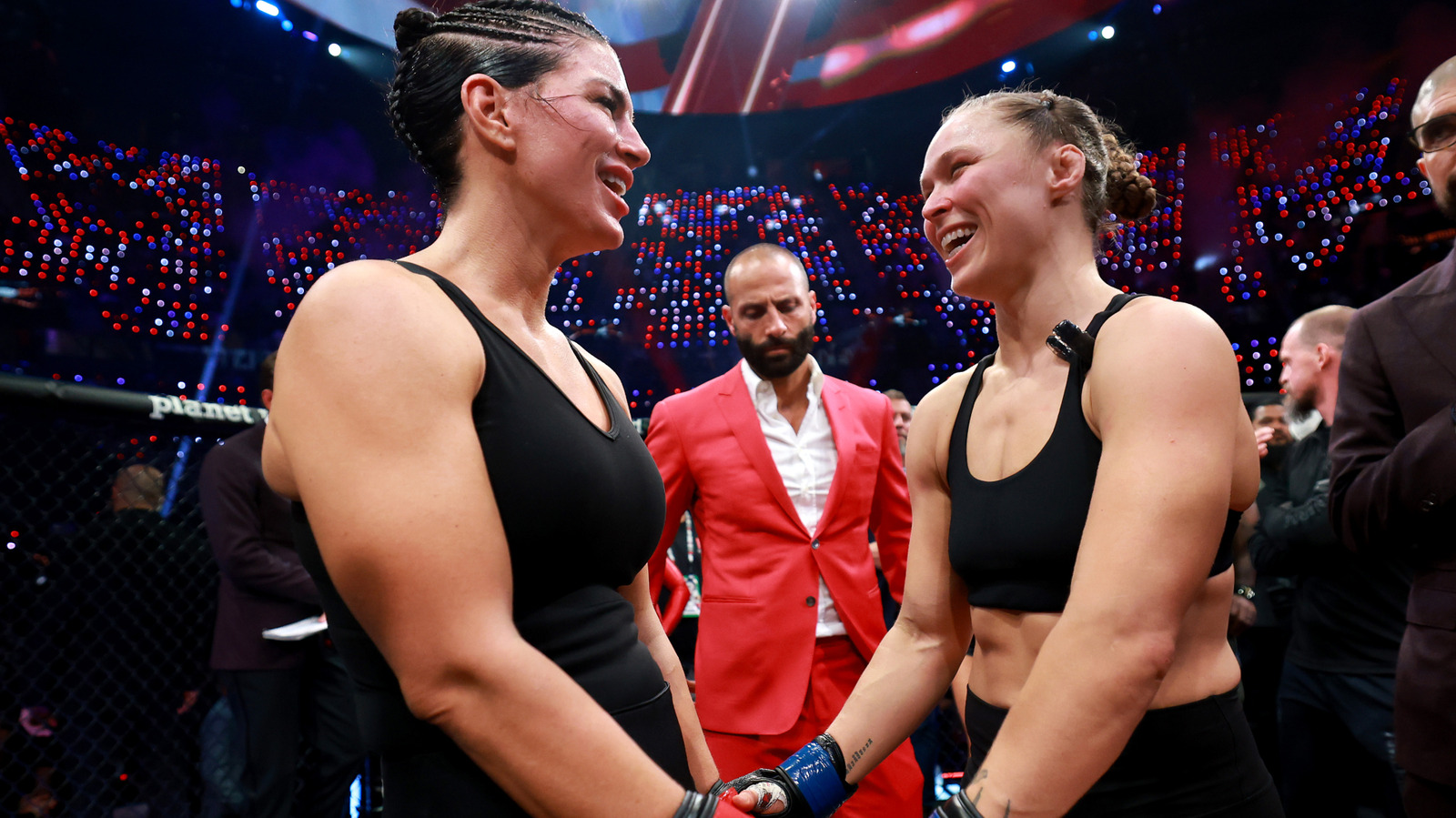
In the landscape of modern combat sports, the line between athletic competition and choreographed performance has long been a subject of intense public debate. Recently, professional wrestling icon Booker T sparked a conversation regarding the nature of exhibition bouts, specifically weighing in on a high-profile contest involving MMA pioneers Ronda Rousey and Gina Carano. As a sports journalist with over a decade of experience covering the intersection of entertainment and professional athletics, I find that such discussions highlight the evolving expectations of fans who navigate an increasingly blurred media environment.
The core of the discussion centers on the legitimacy of the recent Ronda Rousey vs. Gina Carano fight, which was broadcast on Netflix. Booker T, a seasoned veteran of the WWE and a prominent voice in sports entertainment, characterized the encounter as a “worked shoot”—a professional wrestling term denoting a situation where real-life tension or legitimate athletic maneuvers are integrated into a scripted or pre-determined narrative. His public commentary has reignited questions about how streaming platforms and promoters should categorize high-profile matchups featuring retired combat sports legends.
Understanding the ‘Worked Shoot’ Phenomenon
To understand why Booker T’s perspective holds weight within the industry, one must define the terminology used. In professional wrestling, a “shoot” refers to an unscripted, genuine event, while a “work” is a staged occurrence. A “worked shoot” occupies the gray space between the two, often used to generate buzz or simulate a level of intensity that might otherwise be absent in a standard exhibition. For fans of MMA and professional wrestling alike, the distinction is significant because it shifts the focus from the outcome of the competition to the narrative being presented to the viewer.
The skepticism expressed by observers like Booker T often stems from the transition of MMA fighters into the realm of scripted entertainment. Ronda Rousey, who successfully transitioned from Olympic judo and the UFC to a celebrated career in WWE, is uniquely positioned at this crossroads. Her background in both worlds makes her a frequent subject of analysis when discussions about the authenticity of modern combat exhibitions arise.
The Evolution of Combat Sports on Streaming Platforms
The inclusion of combat sports content on major streaming platforms like Netflix represents a significant shift in how these events are distributed and consumed globally. Unlike traditional pay-per-view models, streaming services reach a broader, more casual audience, which may necessitate different production strategies. The Ronda Rousey vs. Gina Carano fight serves as a case study for this new era of sports programming, where the value proposition is increasingly tied to star power and historical rivalry rather than purely competitive ranking.
When high-profile athletes step back into the spotlight after years of retirement, the physical demands of a legitimate fight are immense. Experts often point out that exhibition matches serve as a safe alternative for legends to engage with their fanbases without the risks associated with sanctioned, championship-level competition. However, when the presentation of these matches lacks transparency, it can lead to confusion among viewers regarding whether they are watching a competitive bout or an entertainment-focused production.
Fan Reception and the Future of Exhibition Bouts
The discourse surrounding the Rousey-Carano fight highlights a growing trend of audience scrutiny. In an age of social media, fans are quick to analyze footage, compare techniques, and debate the legitimacy of every strike and takedown. This level of engagement is a testament to the passion of the combat sports community, but it also places pressure on promoters to be clear about the nature of their offerings.
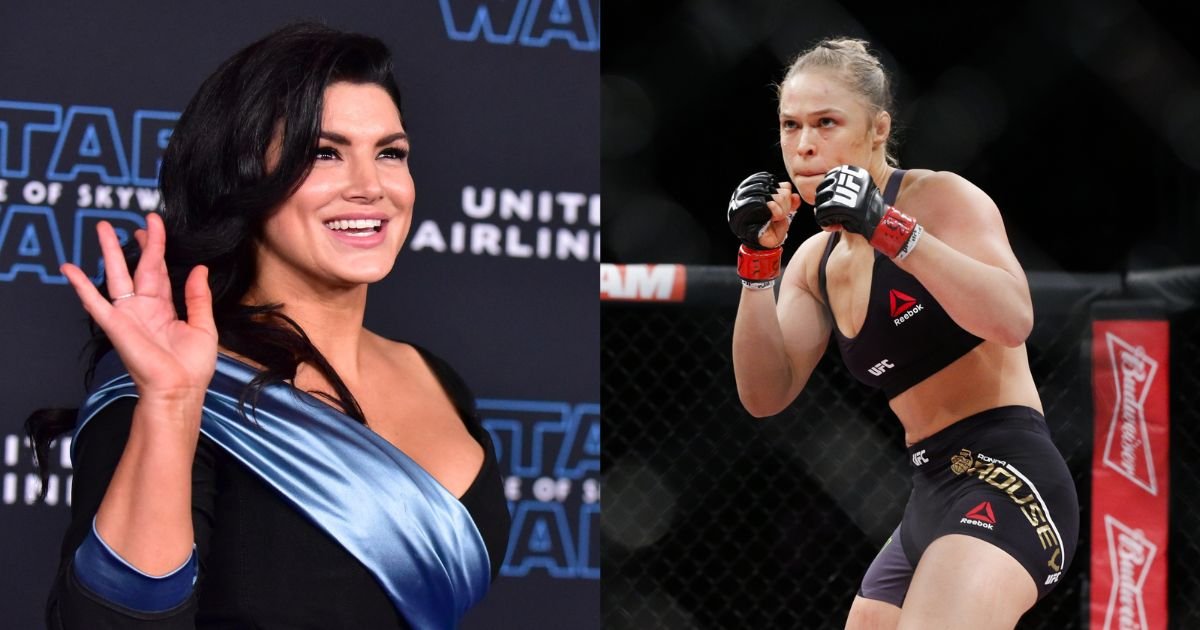
As we look toward the future of such events, the role of experienced commentators and industry veterans like Booker T will remain crucial. Their ability to provide insight into the mechanics of the performance helps audiences navigate the complexities of modern sports entertainment. Whether or not one agrees with the assessment of a specific bout as a “worked shoot,” the conversation itself underscores the necessity for clearer labeling and communication from organizers to ensure that fans remain informed about the type of content they are viewing.
We invite our readers to join the conversation. Do you believe there should be a clearer distinction between professional athletic competition and exhibition entertainment? Share your thoughts in the comments section below, and stay tuned to the World Today Journal for further updates on the evolving landscape of global sports.
Keep reading