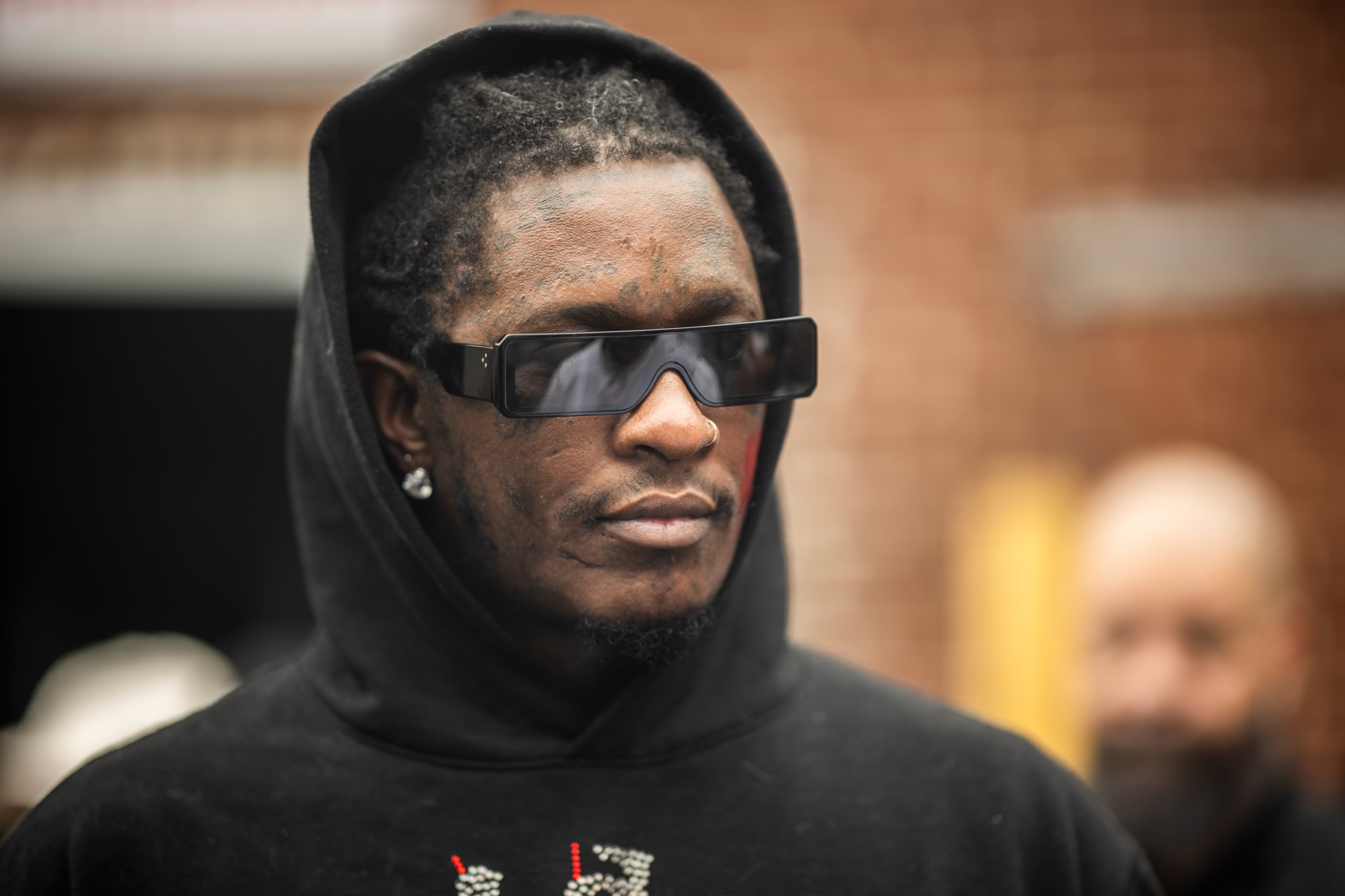
Rap Feud Escalates as Young Thug Responds to Criticism Over Prison Conduct
A heated exchange between prominent rappers Boosie Badazz and Young Thug has ignited a debate surrounding choices made by artists while incarcerated, specifically regarding the controversial practice of entering protective custody. The dispute, which began with Boosie Badazz questioning Young Thug’s silence on the matter and accusing him of hypocrisy, has quickly drawn in other figures from the hip-hop community, including rapper Ralo and underscores the complex dynamics of loyalty, reputation, and survival within the criminal justice system. The core of the disagreement centers on whether seeking protection from other inmates compromises an artist’s credibility and street persona.
Boosie Badazz, whose real name is Torrence Hatch, initially targeted Kodak Black with criticism, alleging that Black’s decision to enter protective custody during his imprisonment invalidated his public image. This sparked a wider conversation about the perceived stigma attached to seeking protection within the prison system. Boosie’s comments quickly turned to Young Thug, with the Louisiana rapper questioning why the Atlanta artist hadn’t publicly addressed the issue. The exchange highlights a long-standing tension within hip-hop culture regarding the expectations placed on artists to maintain a certain image, even in the face of potentially dangerous circumstances. The debate taps into deeply held beliefs about authenticity and the consequences of perceived weakness.
Young Thug Defends His Choices
Responding to the criticism, Young Thug, whose legal name is Jeffery Lamar Williams, offered a pragmatic perspective on the risks associated with refusing protective custody. In an interview with No Jumper, Williams explained that opting for protective custody, often referred to as “PC,” can be a strategic decision to avoid escalating conflicts and potential additional charges while incarcerated. “Pc is smarter tho. That hard sh*t get u nun but heartaches from your family and kids and more charges if it’s to much goin on in the dorms,” he stated, suggesting that prioritizing safety and avoiding further legal complications is a rational choice. This statement directly challenges Boosie Badazz’s assertion that seeking protection equates to a lack of authenticity.
Williams further elaborated on the potential dangers faced by high-profile inmates, explaining that some individuals are specifically targeted by law enforcement seeking to build cases against them. “Ralo stfu. U right og, im just saying some of us the police hate and can’t wait to put charges on n****s for anything so it’s a case by case situation, but if you acting gangsta stand on whatever comes with it fasho u overly right but I am to cause the police hated me frfr they tried everything,” he said, referencing a separate exchange with rapper Ralo. This suggests that for some, protective custody isn’t about fear, but a calculated move to navigate a hostile environment and avoid manufactured charges.
Boosie Badazz Doubles Down on His Criticism
Boosie Badazz swiftly countered Young Thug’s explanation, accusing him of hypocrisy and suggesting that a “real” rapper would endure the hardships of general population regardless of the risks. “THUGGER IF ITS SMARTER TO CHECK PC WHY U AINT CHECK PC? CAUSE U CANT CHECK PC IF U SAY YOU U A REAL N***A. U FROM THE TRENCHES U KNOW HOW THIS SH*T GO BRA. U CHECK PC U A COWARD. Simple is that. KEEP DAT SH*T A 100. I FEEL LIKE U PICKING SIDES smh DONT SAVE NO N**** LETEM DROWN. YALL KNOW WHAT WE SIGNED UP FOR,” Boosie wrote on social media, according to reports. This statement reflects a traditional code of honor within certain segments of hip-hop culture, where vulnerability is often seen as a sign of weakness.
Boosie’s stance is rooted in a belief that maintaining a tough exterior, even in prison, is essential for preserving one’s reputation and credibility. He appears to view seeking protection as a betrayal of that code, suggesting that it undermines an artist’s authenticity and street credibility. This perspective is particularly significant given Boosie Badazz’s own history and public persona, which often emphasizes toughness and resilience.
Ralo Weighs In, Adding Another Layer to the Debate
The dispute took another turn when rapper Ralo entered the conversation, offering his own perspective on Young Thug’s prison experience. Ralo claimed that Young Thug had never been housed in a general population unit in a federal prison, suggesting that his experience was less challenging than it appeared. “Thug ain’t went to not one federal prison yard. He had that weak as trial and now he think he Escobar. Imagine being called a rat and still walked every yard with my chess out,” Ralo stated, according to online reports. This claim implies that Young Thug’s public image as a hardened figure doesn’t align with his actual experiences within the prison system.
Young Thug responded directly to Ralo, acknowledging the validity of his point but reiterating his earlier explanation about the potential for law enforcement to target him within the general population. He argued that his decision to avoid general population was a strategic one, aimed at protecting himself from fabricated charges. This exchange highlights the differing perspectives on navigating the complexities of the prison system and the challenges faced by high-profile inmates.
