
First Circuit Denies Standing to LUMA Energy
The First Circuit Court of Appeals in Boston has determined that LUMA Energy lacks the legal standing required to challenge a regulatory determination that holds the company accountable for damaged belongings caused by electrical grid instability on the island, according to legal filings reported by local outlets. The federal appeals court decision leaves intact lower rulings affecting the operator’s legal posture, dealing a significant blow to the consortium managing Puerto Rico’s power distribution system.
According to reporting by Radar Boricua, the appeals court dismissed LUMA Energy's bid to halt regulatory enforcement, reinforcing the stance that private utility operators must answer for damages sustained by ratepayers during widespread grid failures.
Scrutiny Over Reliability and Liability Shields
Since taking over the operation of Puerto Rico’s electrical system, LUMA Energy has faced relentless public scrutiny over service reliability and rate increases. The latest federal court outcome preserves previous local determinations that stripped away certain liability shields previously claimed by the operator, potentially clearing the path for increased consumer litigation and deeper regulatory oversight.
Consumer Protection and Regulatory Friction
The ongoing legal battle highlights mounting friction between private utility management and local regulatory bodies tasked with defending consumer rights. DACO has consistently maintained that operators cannot evade local accountability mechanisms established to compensate residents for ruined electronics and household appliances.
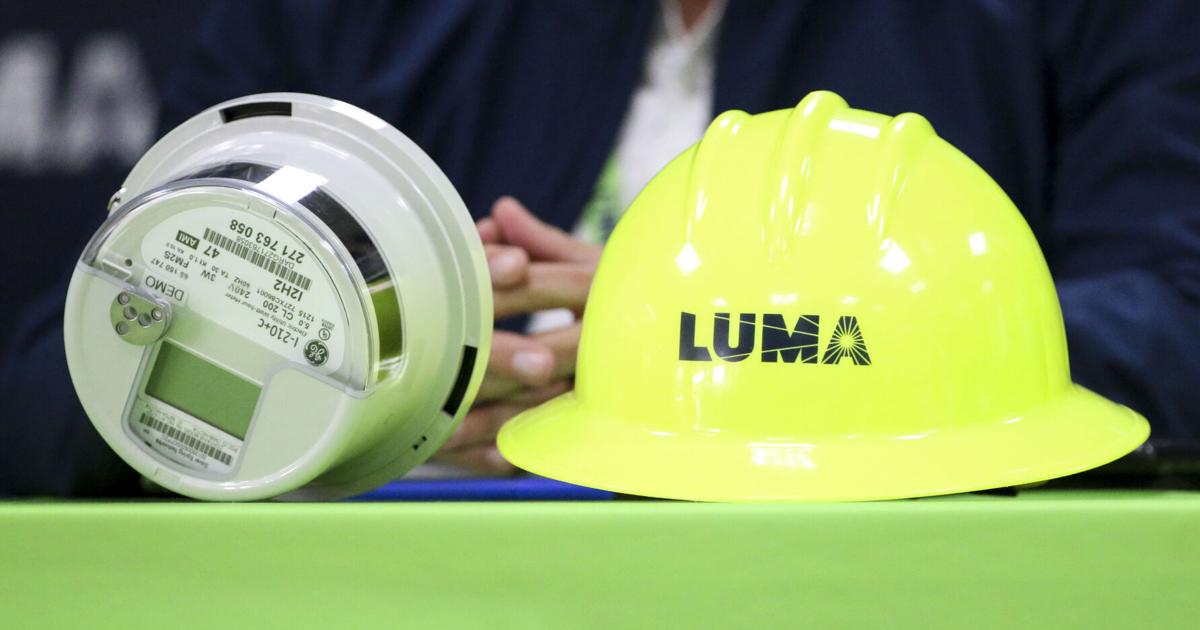
According to El Vocero, the First Circuit’s refusal to grant standing to LUMA means the company cannot bypass local forums to block administrative fines or compensation orders.
Political Scrutiny and Municipal Pressures
Puerto Rico Governor Jenniffer González Colón recently voiced sharp criticism regarding the company’s operational efficacy, publicly questioning whether the enterprise holds a genuine interest in delivering reliable public service, as detailed by Radar Boricua citing Telemundo PR.

Local reports indicate that administrative friction has even touched public events, reflecting deep seated public discontent with ongoing power management issues. Meanwhile, newly enacted legislative frameworks exploring municipal collaboration could eventually grant local governments expanded authority to evaluate alternative service providers, according to coverage by NotiCel highlighted in Radar Boricua.
Next Steps in Regulatory Compliance
As legal avenues narrow for the utility operator in federal forums, attention turns back to local administrative compliance and how the company will address outstanding consumer claims.
Keep reading