Boston Protests Mark Gaza War anniversary with Clashes and Arrests
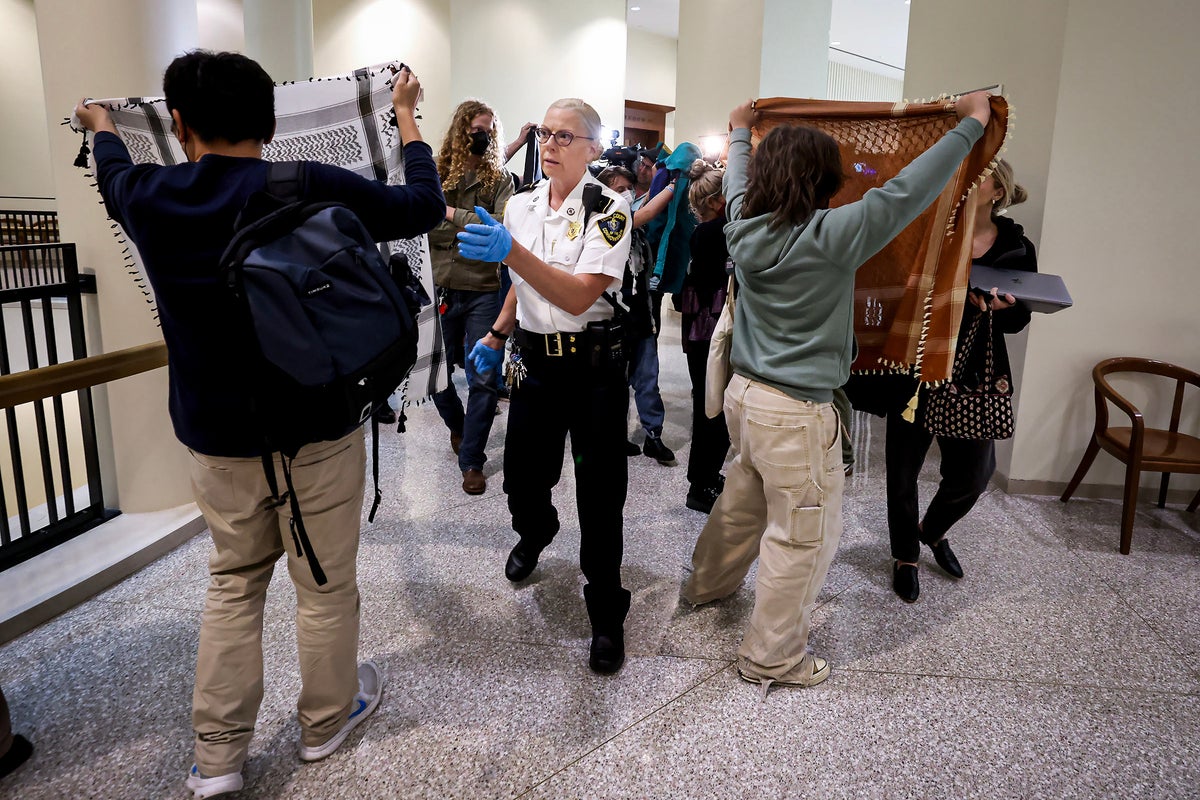
Boston, MA – Thirteen pro-Palestinian demonstrators were taken into custody in Boston on Tuesday following a volatile confrontation with police that left four officers requiring hospital treatment for non-life-threatening injuries.The protests coincided with the second anniversary of the October 7th hamas attack on Israel, a date that has sparked demonstrations globally reflecting the ongoing conflict in Gaza.
This incident underscores the heightened tensions surrounding the Israel-hamas war and the increasingly visible activism within the United States. As a seasoned observer of civil unrest and political demonstrations, it’s clear these events are rarely straightforward, and understanding the context is crucial.
what Happened in Boston?
According to the Boston Police Department, officers were initially deployed to Boston Common to monitor a planned rally beginning at 5:30 PM. Around 6:30 PM, the situation escalated as approximately 200-300 protesters moved a few blocks away, obstructing traffic and chanting through amplified sound systems. Crucially, the department stated the protesters were actively blocking access for emergency vehicles responding to an unrelated incident.
The situation deteriorated when officers attempted to clear a path for emergency responders. Protesters reportedly surrounded police cruisers, damaging doors and deploying smoke devices and flares. This led to physical altercations, with several officers sustaining injuries.
“They tried to block the police cars trying to come down Tremont Street and it was wild,” recounted witness Brody Greland to WHDH-TV. “After they tried to block the police cars, the police got involved and started making arrests and trying to clear the road, and it got really chaotic. I think there were some fights – some people started throwing punches, it got crazy.”
Charges and Arrests
All thirteen individuals arrested are residents of the Boston area, ranging in age from 19 to 27. Most face charges of disorderly conduct, resisting arrest, and disturbing the peace. Though, one protester, 21-year-old Roder Atwood of Somerville, faces significantly more serious allegations, including interfering with a police officer, destruction of property, assault and battery on a police officer, and assault and battery resulting in serious bodily injury. Atwood was arraigned Wednesday with bail set at $10,000 and a further hearing scheduled for October 30th.His attorney, Peter O’Karma, has yet to issue a public statement.
Police reports detail the extent of the injuries sustained by officers: one suffered a broken nose,another a lower back injury,and two others required treatment for a finger injury and pepper spray exposure to the face and eyes. These injuries highlight the potential for escalation in protest situations and the risks faced by law enforcement.
The Broader Context: A Second Anniversary Marked by Global protests
The Boston demonstration was part of a wave of protests worldwide marking the second anniversary of the Hamas-led attack on southern Israel on October 7, 2023. That attack resulted in the deaths of approximately 1,200 Israelis and the abduction of 251 others. Israel’s subsequent military campaign in Gaza, as reported by Gaza health officials, has resulted in over 67,000 Palestinian deaths.
These figures, while stark, represent more than just numbers; they represent immense human suffering on both sides of the conflict. The anniversary served as a focal point for demonstrations expressing solidarity with both israelis and Palestinians, and for calls for a ceasefire and lasting peace.
University Divestment as a Key Demand
Organizers of the Boston protest, identified as area Students for Justice in Palestine groups, reportedly used the demonstration to call on local universities to divest from companies with financial ties to Israel. This tactic - advocating for economic pressure on institutions perceived to be supporting the conflict – is becoming increasingly common among pro-Palestinian activists. The Berkeley Beacon, Emerson College’s student newspaper, reported on this specific demand.
Looking Ahead: De-escalation and Dialog
The events in Boston underscore the deep divisions and strong emotions surrounding the Israel-Hamas conflict. moving forward, de-escalation and open dialogue are critical. While the right to peaceful protest is a cornerstone of democratic societies,it must be balanced with the need to maintain public safety and ensure emergency services can operate effectively.
Furthermore, addressing the underlying grievances and fostering a genuine commitment to a just and lasting peace are essential to prevent further escalation and violence. This requires acknowledging the pain and suffering on both sides and working towards a future where both Israelis and Palestinians can live in security and dignity.