The National Health Service (NHS) has issued a formal warning regarding significantly low uptake rates for bowel cancer screening among adults in their 50s across the United Kingdom. Despite the clinical consensus that early detection dramatically improves survival outcomes, health officials report that participation remains well below the levels required to effectively reduce mortality from the disease. This trend persists even as the NHS continues its efforts to expand screening invitations to younger age groups, specifically targeting those aged 54, 56, and 58.
Bowel cancer, also known as colorectal cancer, is the fourth most common cancer in the UK, with approximately 43,000 people diagnosed each year according to data from Cancer Research UK. The disease is highly treatable if identified in its early stages, yet the current data suggests a substantial portion of the population is failing to utilize the home-testing kits provided through the national screening program.
Understanding the Bowel Cancer Screening Process
The NHS Bowel Cancer Screening Programme currently offers a home-testing kit, known as the Faecal Immunochemical Test (FIT), to everyone aged 60 to 74 in England, with a phased rollout underway to include individuals from age 54. The process is designed to be accessible, allowing participants to collect a small stool sample at home and return it by post for laboratory analysis. The test detects microscopic amounts of blood in the stool, which can be an early indicator of polyps or cancer, even before physical symptoms appear.
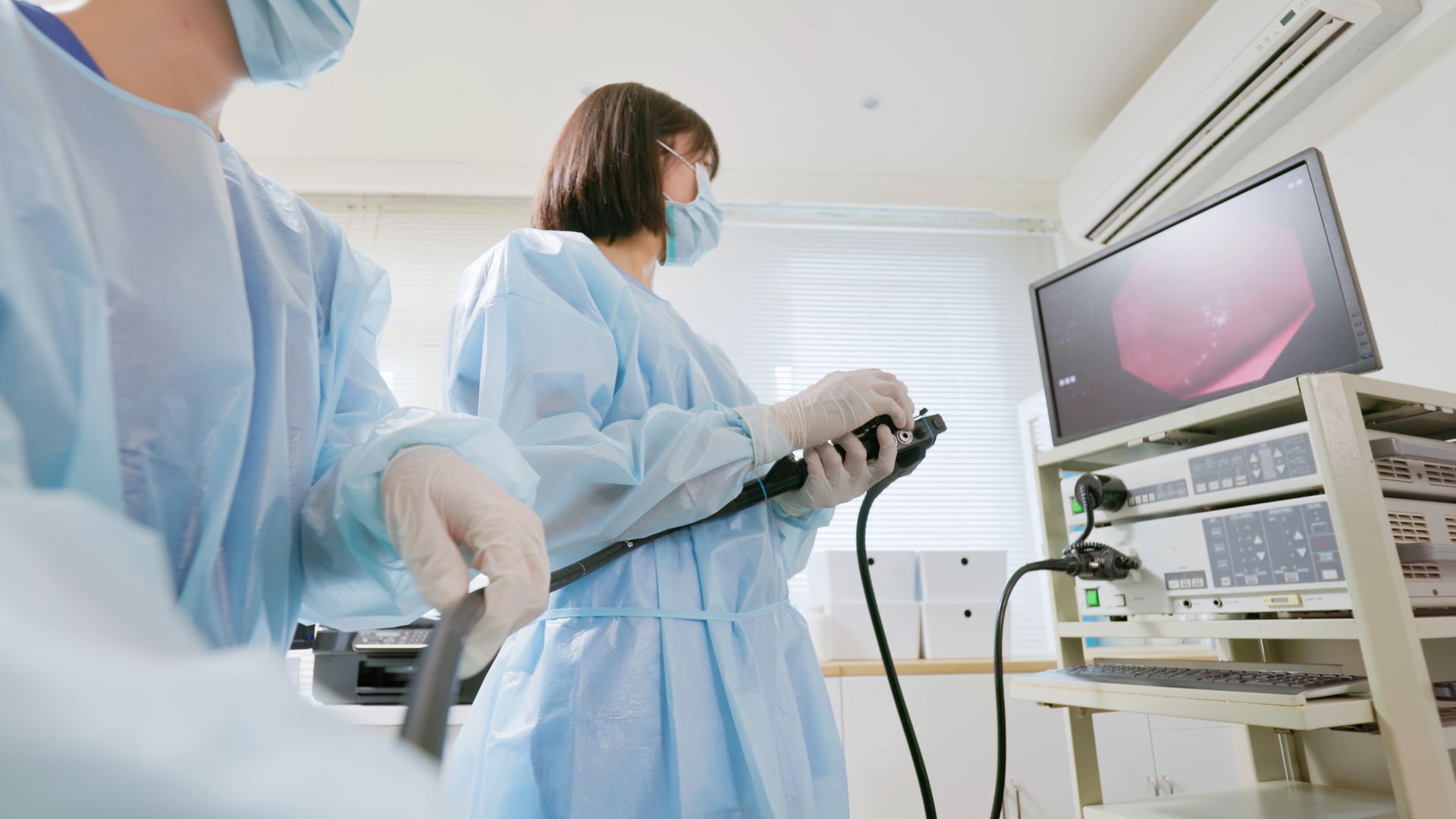
According to the NHS England official guidance, the test is not a diagnostic tool but a triage mechanism. If the FIT kit returns a positive result, the patient is typically referred for further investigation, most commonly a colonoscopy, to examine the bowel lining directly. Despite the non-invasive nature of the initial home test, health authorities have noted that public engagement—particularly among those newly eligible in their 50s—has not met projected targets.
Why Early Detection Remains a Clinical Priority
Clinical evidence consistently demonstrates that the stage of diagnosis is the most significant factor in patient prognosis. The NHS states that when bowel cancer is caught at the earliest stage, more than 9 out of 10 people survive for five years or more. Conversely, if the cancer is diagnosed after it has spread to other parts of the body, survival rates drop significantly. The primary objective of the screening program is to identify pre-cancerous growths, known as adenomas, which can be removed during a colonoscopy, effectively preventing the cancer from developing in the first place.
Public health experts point to several barriers that may contribute to the low uptake, including a lack of awareness regarding the importance of asymptomatic screening, misconceptions about the test procedure, and potential anxiety regarding a positive result. The NHS is currently attempting to address these barriers through targeted public health campaigns and simplified instructional materials to encourage greater participation.
Who Is Eligible and How to Participate
Eligibility for the screening program is determined by age, and the NHS sends invitations automatically to those registered with a GP. Individuals in the eligible age brackets who have not received a kit, or who have misplaced one, are encouraged to contact the national screening helpline. The UK Health Security Agency maintains updated information on the rollout of the screening program, confirming that the expansion to younger age groups is a key strategy in the broader effort to improve cancer outcomes across the population.
Symptoms such as a persistent change in bowel habits, blood in the stool, or unexplained abdominal pain should not wait for a screening invitation. The NHS advises that any individual experiencing these symptoms should consult their GP immediately, regardless of their age or their status within the screening program.
Future Developments and Official Guidance
The NHS has indicated that it will continue to monitor uptake statistics across different demographic groups to tailor its outreach efforts. As the program expands to include more age groups, the focus remains on ensuring that the infrastructure—including laboratory capacity and follow-up colonoscopy services—can meet the increased demand that would result from higher participation rates.
The next official update regarding the national screening program’s performance and expansion milestones is expected in the upcoming NHS annual report on cancer services. Readers who are eligible for screening or who have concerns about their bowel health are encouraged to visit the official NHS Bowel Cancer Screening website for the most accurate information and to verify their eligibility. We welcome your thoughts on how public health initiatives can better reach those who are hesitant to participate in routine screening; please feel free to share your perspectives in the comments section below.